The Rise of Mother-Led Households in China
Across China, a quiet revolution is taking place in how single mothers are choosing to navigate life's challenges. Instead of struggling alone, growing numbers are turning to each other, forming innovative household arrangements that provide mutual support and shared responsibility.
Social media platforms, particularly Xiaohongshu, have become hubs for women seeking like-minded parents to join forces. An estimated 30 million single mothers across the country are exploring these alternatives as divorce rates reach levels four times higher than two decades ago.
Finding Strength in Numbers
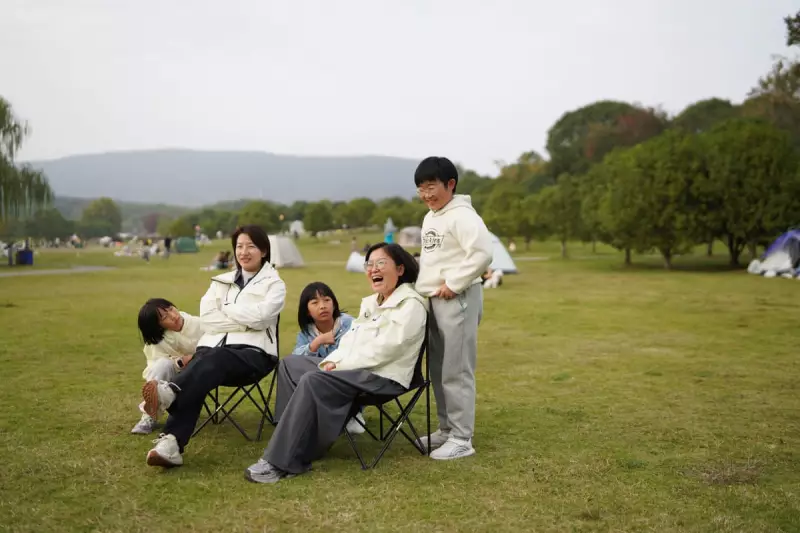
The story of Zhu Danyu and Fei Yuan exemplifies this emerging trend. Since 2022, these two single mothers have shared a home in Nanjing with their three daughters, creating what they describe as a partnership built on mutual support.

"At the core, we both know very clearly why we're together – it's about sharing and managing the risks and pressures of life," Zhu explains. Their arrangement began professionally when Zhu sought collaborators for her education startup, but quickly evolved into a deeper personal connection.
Fei notes how their personalities complement each other perfectly: "I'm more detail-oriented and love keeping things tidy, but I can't cook. Really, I just can't. Danyu, on the other hand, is a great cook and loves making meals for the kids."
Economic Realities Driving Change
According to Dr Ye Liu, an expert in international development at King's College London, financial pressures are the primary driver behind this trend. Single mothers across all social strata struggle financially, with many in first-tier cities living below the poverty line despite legal obligations for child support.
The situation is compounded by rising inflation and living costs, alongside limited state welfare for single parents and often inadequate family support. This financial precarity pushes mothers toward informal support networks organised through digital platforms.
Traditional family values still hold significant sway in China, particularly in rural areas where divorced women face pressure to remarry. Many families disapprove of women raising children alone, making these alternative arrangements both practical and socially challenging.
Making It Work Against the Odds
For Jiang Mengyue, 31, moving in with another single mother meant leaving her hometown in Guizhou province with her three-year-old daughter. She responded to a social media post and now lives with Shi Mengyue, establishing a structured daily routine where Jiang cares for both children while Shi works as a professional matchmaker.
"Since there's no personal interest or benefit involved, this kind of relationship feels purer and simpler than marriage," Jiang observes.
Not every arrangement succeeds – some collapse when children don't get along or financial imbalances create tension. But for those who find the right balance, the benefits extend beyond practical support.
"When our families came together, the house suddenly became full of life: three little girls running around, laughing all the time," says Fei. "Through spending time together, all three have become more outgoing and confident. They're now surrounded by double the love."
As these innovative family structures become more visible, they represent both a practical solution to economic challenges and a quiet transformation of traditional family models in modern China.