London's Homelessness Crisis Deepens: A13 Canning Town Flyover Exposes Systemic Failures
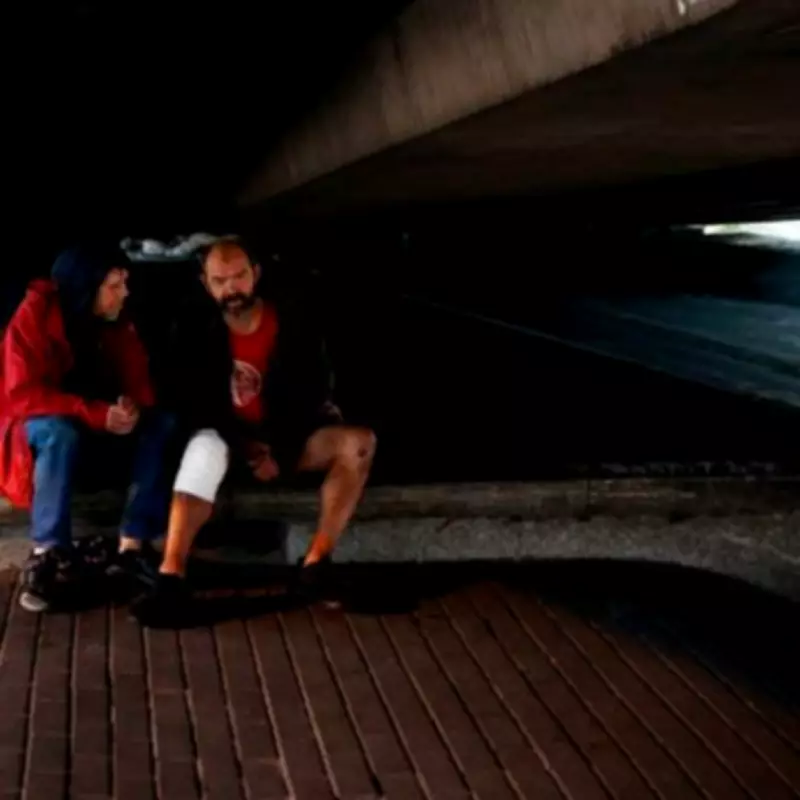
A small community of rough sleepers living under the A13 flyover in Canning Town starkly illustrates the profound failures of both the Government and City Hall to contain London's escalating homelessness crisis. Over the past year, dozens of vulnerable individuals have shared their harrowing stories of life on the streets beneath one of East London's busiest roads, highlighting a devastating polycrisis fueled by housing shortages, addiction, and flawed migration policies.
The Mental Health and Addiction Emergency
The first major crisis is mental health, often intertwined with severe addiction. Many men interviewed were addicted to alcohol or Class A drugs, with the latter funded through shoplifting and petty crimes. While drugs remain illegal yet accessible, alcohol is legal and dangerously cheap, contributing to a near-doubling of alcohol-specific deaths since 2001. Drinking may not ruin every life, but it leads some to total destitution and premature death.
It is too late to prohibit alcohol, but emerging evidence on GLP-1 fat jabs for addiction treatment must be taken seriously. If proven safe and effective, a fully funded emergency rollout against opioids and alcohol should be implemented immediately. In the interim, England should adopt Minimum Unit Pricing, a strategy that has shown success in Scotland. Additionally, alcohol companies should be taxed proportionally to every alcohol-related death recorded annually, incentivizing them to address dependency issues rather than merely paying lip service to responsible drinking.

The Migration Policy Conundrum
The second critical crisis is migration, exacerbated by escalating wars and human rights abuses overseas. Conflicts, such as those in Iran, threaten to trigger another major movement of people, with refugees potentially landing in Britain due to its perceived attractiveness and historical welcome. However, entering the country and navigating the asylum system is just the beginning. Many asylum seekers fail to secure jobs or housing after receiving a 28-day eviction notice, leading to rough sleeping.
The Government previously piloted a 56-day support period, which charities confirmed was effective. Yet, this month, the Home Office reduced it to 42 days, citing hotel costs. While outsourcing asylum accommodation is extraordinarily expensive, partly due to profiteering, if the Government genuinely aimed to tackle rough sleeping, it would follow the evidence and fund adequate support. Without this, a conveyor belt of non-EU migrants will continue sleeping under roads like the A13 and wandering aimlessly on London night buses.
The Housing Shortage Underpinning Everything
A severe shortage of affordable housing underpins this entire crisis, but simply calling for more construction is insufficient. To immediately reduce rough sleeping numbers, leverage must be applied to addressable crises. This includes treating the sick in their environments and providing welfare and opportunities before individuals end up on the streets. Britain must do better than merely scooping up traumatized men and women in ambulances and police vans.
In 2020, Sir Keir Starmer labeled rough sleeping a "shameful sign of government failure" and a "crisis." Six years later, the situation has worsened, and it is now his responsibility to solve. However, Starmer's crisis response remains unclear. Rough sleeping is not an exotic disease requiring a cure; it is a symptom of inadequate action, with known solutions demonstrated during the pandemic's Everyone In scheme, which showed what political willpower and funding can achieve.
Local Solutions and Charitable Efforts
In Canning Town, organizations like Your Place exemplify effective use of funding by providing safe housing, tailored support for complex needs, and pathways to independence. Supporting such charities can help individuals move away from life under the flyover. The full special report on Canning Town's flyover, which has become a magnet for the rough sleeping crisis, reveals the urgent need for systemic change and compassionate intervention to protect London's most vulnerable residents.