London's £30 Million Youth Initiative Targets Crime Prevention Through Late-Night Clubs
The Mayor of London has unveiled a substantial £30 million investment designed to establish late-night youth clubs across all 32 boroughs of the capital. This "Youth Lates" programme, announced this week, aims to provide safe spaces for young Londoners with activities, mentorship, and food, directly addressing what community leaders describe as a "catastrophic" decline in youth services.
Addressing a Decade of Decline in Youth Services
According to statistics from the Greater London Authority, a staggering 81 youth centres have closed across London between 2010 and 2024. These closures resulted from widespread cost-cutting measures that forced local authorities to slash essential community services. The new investment represents a significant reversal of this trend, with officials emphasizing prevention and early intervention as key strategies.
Wayne James, Managing Director of ML Community Enterprise which operates the Martin Lipton Youth Club in Brixton, told reporters: "The closure of youth clubs has been absolutely catastrophic. We are paying for the political decisions of those who shut places like these. Not every child comes from a home with two parents who can provide them with the right guidance."

Critical Late-Night Provision for Vulnerable Youth
The programme specifically targets late-night hours when young people are most vulnerable. James explained: "Kids who aren't home will be out anyway - if they don't have spaces like these, they will be vulnerable to predators. This Mayor has taken action in an area which is absolutely critical. He's focused on the late-night provision, which is usually not part of our programme."
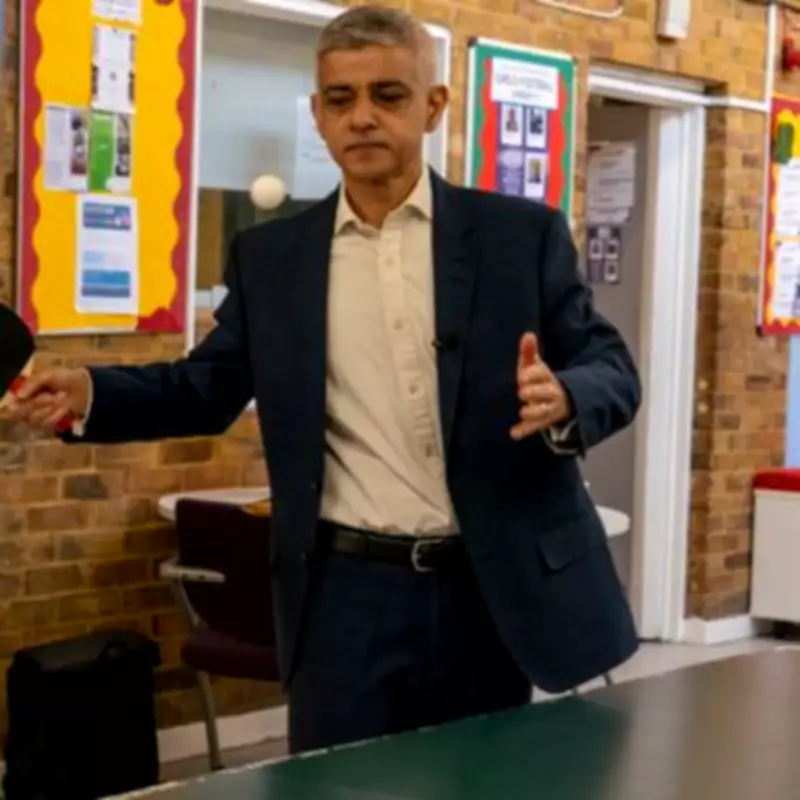
Mayor Sadiq Khan, who launched the policy at the Brixton youth club, stated that the investment would work alongside City Hall's renewed focus on frontline policing. The initiative forms part of a broader violence reduction strategy that has already seen more than 100,000 young Londoners access mentoring support through the Violence Reduction Unit.
Political Reactions and Funding Controversy
While the investment has received praise from some quarters, it has also sparked political controversy. Minister of State for Policing and Crime Sarah Jones welcomed the move, stating: "This new record investment from the Mayor in youth clubs could be a real game-changer, providing a high-quality space in every London community where young Londoners can feel safe."
However, Liberal Democrat London Assembly leader Hina Bokhari criticized the timing and scale of the investment: "£1 million a borough does not cut it. It's incredibly disappointing the London Assembly was never given a proper chance to scrutinise this policy. I asked the Mayor in February how this money would be spent and got fobbed off, only for it to be announced in the run-up to elections."
Tory Assembly Member Alessandro Georgiou raised different concerns: "£30 million is going into youth clubs rather than frontline policing as a means of tackling crimes. Policing is what stops crime, and with offences in London increasing, the public deserve to feel safe on our streets."
Broader Context of Youth Challenges in London
The investment comes against a backdrop of significant challenges facing young Londoners:
- Youth unemployment is rising rapidly across the capital
- London has the highest child poverty rate in the country
- Police officer numbers have fallen by more than 2,000 since May 2024
- Youth homicides, while at record lows, remain a concern
The £30 million forms part of a larger £50 million allocation in this year's Mayoral Budget specifically earmarked to "support young Londoners" and keep them away from gangs and criminal activity. Community leaders emphasize that youth clubs provide essential spaces where young people can socialize, develop skills, and make mistakes without penalty during their transition from early teens to adulthood.
As the programme prepares to launch later this year, the debate continues about the most effective approaches to supporting vulnerable youth while ensuring public safety across London's diverse communities.