The Hidden Crisis: Over-55s Homelessness Skyrockets Across the UK
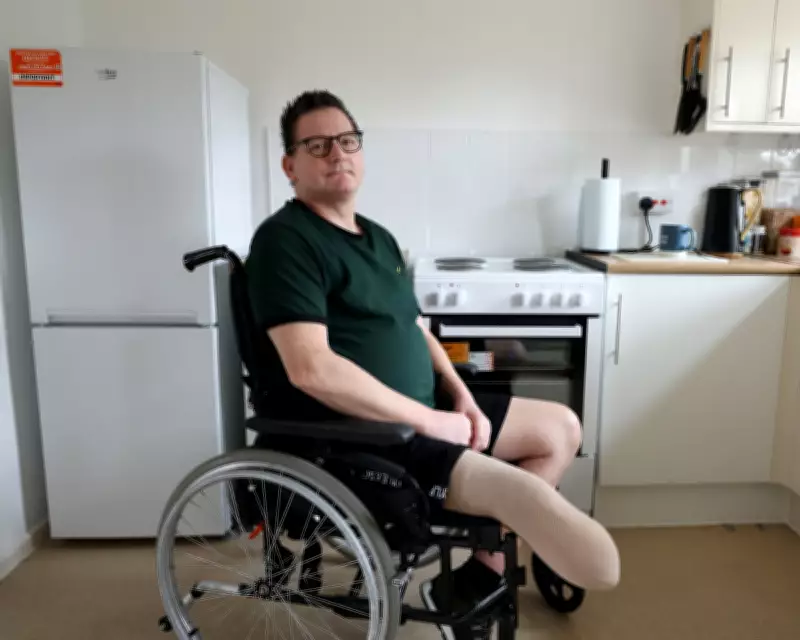
Richard Hewett never imagined he would be sleeping in his car at age fifty-nine. After a relationship breakdown forced him to leave his partner's council house in Essex, he discovered his disability benefits were insufficient to secure private rental accommodation. His temporary home became a Ford Focus, where his six-foot-two frame struggled to fit during sleepless nights.
A Devastating Chain of Events
The situation deteriorated when Hewett broke his ankle. Unable to properly care for the injury while living in his vehicle, he developed sepsis, leading to the amputation of his right leg. Beyond the physical trauma, he endured profound psychological distress from public judgment and shame.
"People are so terribly judgmental," Hewett recalled. "I went to the toilet in a park daily, where passersby would ask, 'Can't you go somewhere else?' It was horrendous and really had quite an effect on my mental health."

Statistical Evidence of a Growing Problem
Hewett represents a rapidly expanding demographic. Recent Office for National Statistics data reveals that 15,690 households headed by individuals over sixty-five are at risk of homelessness, marking a staggering seventy-nine percent increase over the past five years.
Homelessness charities report alarming trends:
- The Combined Homelessness and Information Network documented a rise in rough sleepers aged over fifty-five in London from 450 in early 2024 to 713 by late 2025.
- Soup Kitchen London now assists approximately forty over-65s each morning, representing twenty percent of their daily clientele.
- Greater Change charity observed the median age among those they support increasing by more than eight years over four years.
Systemic Failures and Compounding Factors
Jonathan Tan, chief executive of Greater Change, explained that older adults rarely experience homelessness from a single event. Instead, multiple factors converge:
- Loss of relationships or employment later in life
- Deteriorating physical health without adequate social care
- Financial pressures from benefits freezes and rising living costs
- Complex online systems for benefits and pensions that overwhelm many older users
"We do think it will get worse," Tan warned. "Temporary accommodation is already under severe pressure and there is very little flexibility in the system."
The Rental Market Squeeze
Morgan Vine, policy director at Independent Age, identified the private rental sector as a critical pressure point. One-third of older private renters live in poverty after housing costs, while average UK rents have increased by 10.5% since April 2024. Housing benefit levels have remained frozen since 2024, creating an impossible gap for many.
Sarah Elliott, Shelter's chief executive, emphasized the human impact: "Pensioners should be enjoying their hard-earned retirement, not facing the threat of homelessness. We must limit in-tenancy rent hikes and build a new generation of social rent homes."
Personal Testimonies Highlight Systemic Gaps
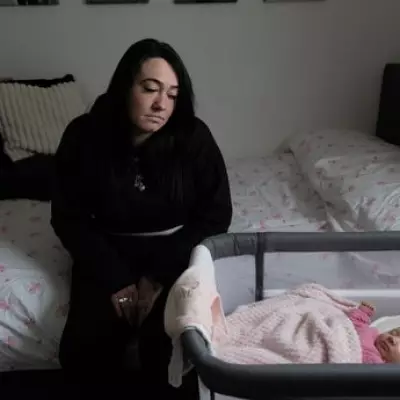
Sarah (name changed), a woman in her mid-sixties, experienced similar challenges after a relationship breakdown. She resorted to sofa surfing when her benefits couldn't cover rent or deposits, then lost those benefits entirely due to lacking a fixed address.
"I think it's difficult for older people now, especially if they don't have friends and family to help them," she said. "The government should help older people more to find a place to stay."
Government Response and Ongoing Challenges
A Ministry of Housing, Communities & Local Government spokesperson stated: "No one deserves to experience homelessness. We are investing £3.6bn in homelessness and rough sleeping services, building 1.5m new homes, and investing £39bn in social and affordable housing."
However, researchers like Jess Harris from King's College London identify an under-researched "social care gap" that perpetuates homelessness by failing to prevent and manage complex health problems among older adults.

Richard Hewett, now receiving support from Greater Change to secure housing, reflects on the broader crisis: "Life has become so much more costly. They were bad enough before then, but austerity and benefits freezes haven't helped." His story underscores the urgent need for systemic solutions to protect vulnerable older adults across the United Kingdom.