Record Numbers in UK Face 'Very Deep Poverty' as Welfare System Fails
New analysis has revealed that a record number of people in the UK are living in what is termed 'very deep poverty', with households struggling to afford basic necessities such as staying warm, dry, clean, clothed, and fed. The Joseph Rowntree Foundation (JRF), which conducted the research, warns that poverty in the country is now deeper and more damaging than at any point over the last three decades.
Alarming Statistics on Poverty Depth
According to the JRF's findings, approximately 6.8 million individuals—representing half of all those in poverty—are classified as living in very deep poverty. This marks the highest number and proportion since records began thirty years ago. The analysis defines very deep poverty as having a household income below 40% of the UK poverty threshold after accounting for rent. For context, the average income of a household in this category is a staggering 59% below the poverty line.
To illustrate the severity, a couple with two young children in very deep poverty would have an annual income of £16,400 or less. To completely escape poverty, such a family would need to earn an additional £14,700 per year. Although households may move in and out of this category, about 1.9 million people, or 3% of the UK population, are persistently trapped in very deep poverty.

Worsening Conditions for the Poorest
While overall relative poverty levels have remained relatively stable at around 21% of the population in recent years, the situation for those below the breadline has deteriorated significantly. Many are subsisting on incomes that fall thousands of pounds short of the poverty threshold, exacerbating their financial struggles.
Peter Matejic, the chief analyst at JRF, emphasised the gravity of the situation, stating: "Poverty in the UK is still not just widespread, it is deeper and more damaging than at any point in the last 30 years." He further highlighted that when nearly half of those in poverty live far below the poverty line, it signals a failure of the welfare system to protect individuals from harm.
Impact of the Cost of Living Crisis
The analysis, which draws on data from the 2023-24 period—the final year of the last Conservative government—indicates that households on the lowest incomes continue to face a severe cost of living crisis. Millions are forced to go without food, fall behind on household bills, and resort to borrowing merely to survive. The JRF notes that no progress was made in reducing poverty under the Conservative administration between 2010-11 and 2023-24.
In even more extreme cases, about 3.8 million people in the UK experienced destitution, a condition more severe than very deep poverty where households cannot afford to stay warm, dry, clean, clothed, and fed.
Political Response and Future Outlook
The JRF has welcomed Labour's recent child poverty strategy, particularly its decision to scrap the two-child benefit limit, which is expected to lead to the most significant reduction in child poverty since records began in the 1960s. However, the foundation expressed concerns about a perceived lack of urgency and direction in addressing hardship beyond child poverty.
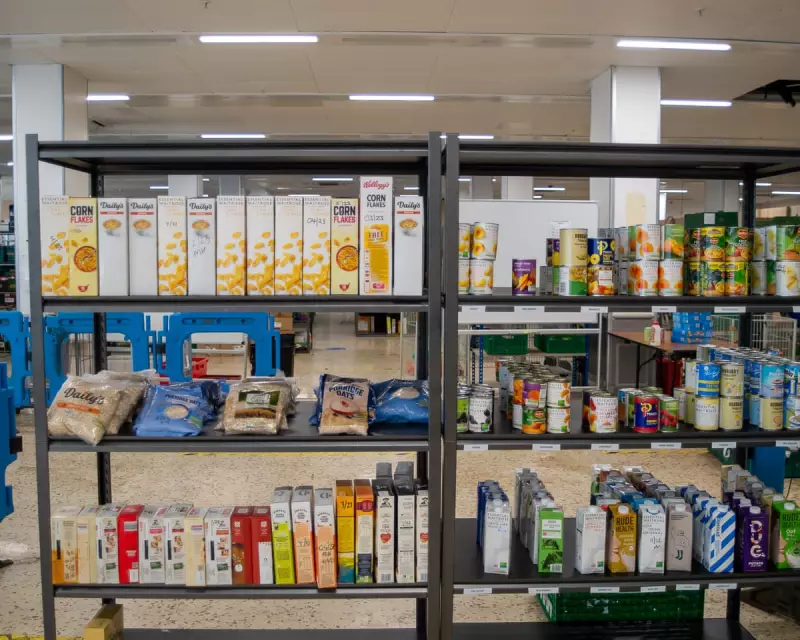
Rising numbers of people are facing food insecurity, basic benefit rates remain low, and progress on Labour's manifesto pledge to end mass dependence on food banks has been slow. Matejic urged for decisive action, saying: "People want to feel like the country is turning a corner. That means taking action on record levels of deep poverty so everyone can afford the essentials."
The Department for Work and Pensions has been approached for comment on these findings, as the UK grapples with this deepening crisis of poverty and inequality.