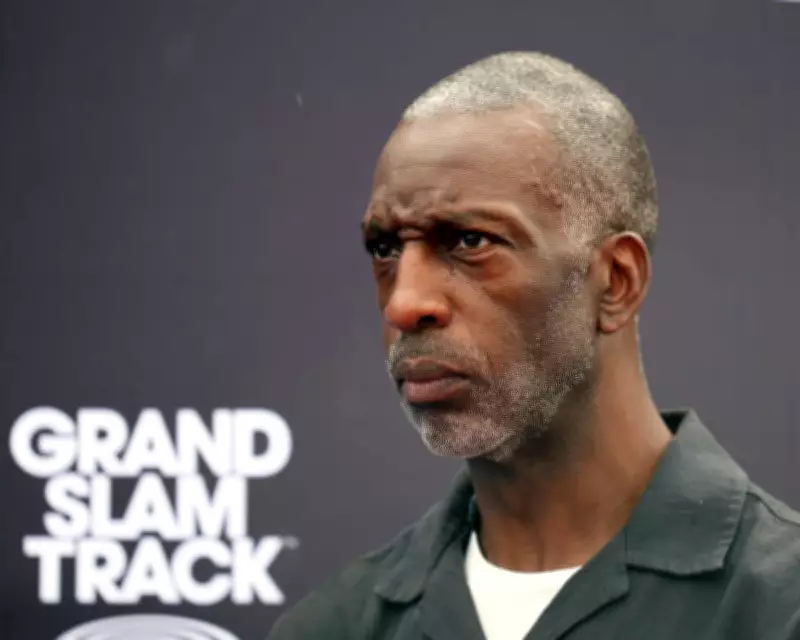
Michael Johnson Accused of Taking $500,000 Before Track League Bankruptcy
Michael Johnson, the Olympic champion turned entrepreneur, faces serious allegations of financial misconduct surrounding the collapse of his Grand Slam Track competition. According to a court filing in the US bankruptcy court for the district of Delaware, Johnson paid himself $500,000 (£372,000) just eight days before the project's final event in Los Angeles, leaving athletes and numerous creditors owed substantial sums.
Details of the Legal Allegations
The filing, submitted by vendors and unsecured creditors, claims that Johnson initiated this payment on June 4th, fully aware that Grand Slam Track was in precarious financial straits and unable to cover its mounting debts. Lawyers for the creditors committee stated, "Mr Johnson elected to secretly prefer himself over the athletes and other, non-insider creditors, while at the same time feigning to the public that he was selflessly looking to advance the interests of the athletes." The document further reveals that Johnson was owed $2.2 million in total, but the timing of this withdrawal has raised significant ethical and legal questions.
The Rise and Fall of Grand Slam Track
Launched with great fanfare, Grand Slam Track promised to revolutionize athletics by pitting the sport's biggest stars against each other regularly for huge prize money. Johnson famously declared it would "bring fantasy to life." However, the league struggled from its inception. The first event in Jamaica last April attracted a sparse audience, and the project ultimately collapsed after its third event in Philadelphia on June 1st. In December, GST filed for bankruptcy, disclosing estimated liabilities between $10 million and $50 million to more than 200 creditors.

Responses and Broader Implications
The legal action also seeks permission to sue other individual leaders of GST, including the main investor, Winners Alliance. In response, Winners Alliance has denied controlling the track league and labeled the creditors' objections as "fundamentally false." In a previous statement, they emphasized, "Winners Alliance invested more capital, assumed more risk, and ultimately suffered greater financial losses than anyone." They claimed to have invested millions, loaned additional funds in good faith, and offered further financial support to stabilize the project. Both GST and Winners Alliance have been approached for comment on the latest allegations, but no immediate response has been provided.
This case highlights the volatile nature of sports ventures and raises critical questions about financial transparency and athlete welfare in such enterprises. The collapse has left a trail of unpaid bills and dashed hopes, with World Athletics warning that there is no guarantee Grand Slam Track will be allowed to return. The ongoing legal proceedings will likely scrutinize the financial decisions made in the league's final days, potentially setting precedents for how similar cases are handled in the future.