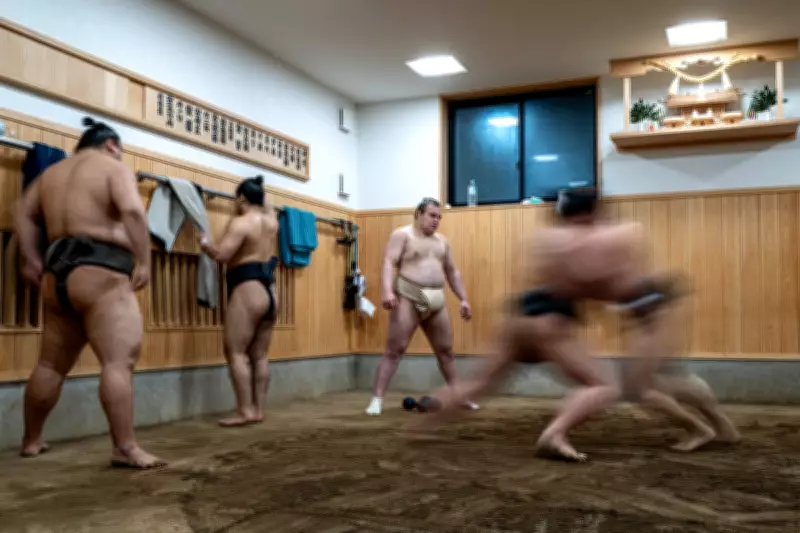
Ukrainian Sumo Wrestler Aonishiki Arata Secures Historic Win in Japan's Premier Competition
In a remarkable display of skill and determination, Ukrainian-born sumo star Aonishiki Arata has clinched a historic victory in Japan's top-tier sumo competition. This triumph not only highlights his exceptional prowess in the ring but also underscores the growing international influence within the traditionally Japanese sport of sumo wrestling.
A Groundbreaking Achievement for International Athletes
Aonishiki Arata's success represents a significant milestone for non-Japanese competitors in sumo, a sport deeply rooted in Japanese culture and history. His victory challenges long-standing norms and showcases the increasing diversity and global appeal of sumo, attracting talent from around the world to compete at the highest levels.
The competition, held in Japan, saw Aonishiki Arata face off against some of the nation's most seasoned and respected sumo wrestlers. Through a series of intense matches, he demonstrated not only physical strength but also strategic acumen, ultimately emerging victorious and earning widespread acclaim from fans and peers alike.

The Journey of Aonishiki Arata: From Ukraine to Sumo Stardom
Born in Ukraine, Aonishiki Arata embarked on a unique path to sumo stardom, navigating cultural and linguistic barriers to train and compete in Japan. His dedication to mastering the intricate techniques and rituals of sumo has paid off, with this latest win solidifying his status as a top contender in the sport.
This achievement is expected to inspire a new generation of international athletes to pursue sumo, potentially leading to greater inclusivity and innovation in the sport. It also reflects broader trends in global sports, where traditional disciplines are increasingly embracing talent from diverse backgrounds.
Implications for the Future of Sumo Wrestling
Aonishiki Arata's victory could signal a shift in the sumo world, encouraging more open participation and recognition for foreign wrestlers. As sumo continues to gain popularity worldwide, such successes may help preserve and promote the sport's rich heritage while adapting to a modern, global audience.
Looking ahead, fans and analysts will be keen to see how Aonishiki Arata builds on this win and whether other international competitors can follow in his footsteps. His story serves as a powerful reminder of the universal appeal of athletic excellence and the breaking of cultural boundaries in sports.