Jaden Ivey's Career Derailed by Injury and Controversial Comments
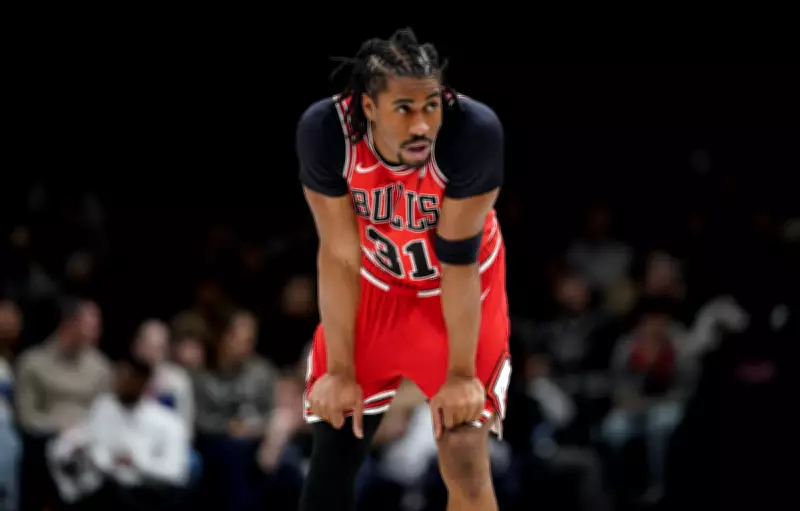
Jaden Ivey's professional journey has been marred by persistent injury setbacks and inconsistent performance on the court. His recent waiver by the Chicago Bulls, following a series of unsolicited anti-LGBTQ and religiously charged social media posts, was officially attributed to conduct detrimental to the team. However, this move underscores a deeper narrative about the National Basketball Association's handling of inclusion and the stark reality of athlete expendability in high-stakes sports.
A Different Outcome for a Star Player
Imagine an alternate scenario where Ivey, with the aid of a skilled publicist, issues a swift and polished apology. He might undergo overnight diversity training, sprinkle his statements with all the right buzzwords to demonstrate newfound allyship, perhaps pay a fine or make a charitable donation, and swiftly return to the NBA hardwood. This league has publicly championed LGBTQ+ rights for over a decade, yet Ivey's case reveals that teams meticulously calculate which voices to shield and which to discard, often based on talent and marketability rather than ethical principles.
Locker Room Dynamics and Public Accountability
As a former NFL athlete, I can attest that locker room conversations rarely delve into topics of queer acceptance or deep religious debates. When religion is discussed, it typically centers on personal faith journeys—how it transforms young men into family leaders, fosters community focus, or encourages contributions beyond athletic achievements. This openness stems from the safety and vulnerability a healthy team environment cultivates.

Ivey's comments, however, did not shock me. In many locker rooms, his views on Pride Month might find silent agreement among teammates. Having been the NFL's first openly bisexual player, I've shared rosters with individuals holding similar beliefs to Ivey, just as he has likely played alongside LGBTQ+ athletes, whether openly or not.
Ignorant remarks are not uncommon in these spaces, but through peer dialogue and exposure to diverse perspectives, growth often occurs. I recall instances of homophobic jokes, speculation about sexuality, and misogynistic language, yet an unspoken code prevails: locker room issues typically remain internal, resolved among teammates. What set Ivey apart was his decision to voice these opinions publicly, beyond the team's private confines.
The Harsh Truth of Star Power and Consequences
The brutal reality is that Ivey's immediate release stemmed largely from his lack of star influence. With a brief career plagued by injuries and underwhelming stats, teams view him as a liability rather than an asset to protect. Contrast this with superstars like Anthony Edwards, who faced minimal fallout after using homophobic language on social media, or legends like Kobe Bryant and Rajon Rondo, who received fines and apology opportunities for similar slurs. Their championship pedigrees and All-Star accolades afforded them time to rectify missteps—a luxury not extended to expendable players.
The NBA's public support for LGBTQ+ communities is clear, but business decisions rarely hinge solely on morality. The league does not police personal beliefs but rather how a player's image impacts financial outcomes. Ivey's waiver doesn't signify that homophobia has been eradicated from locker rooms—an improbable feat regardless. It demonstrates that teams know how to react when controversies become public, especially when the involved player is easily replaceable.
The Persistent Gap Between Public Statements and Private Realities
Removing one voice like Ivey's won't shift locker room culture, particularly when the underlying beliefs are widespread. The NBA doesn't eliminate these tensions; it manages them strategically. In a league where a player's value dictates consequences, incidents like this expose the chasm between public proclamations of inclusion and the private experiences within teams. Until this disparity narrows, such controversies will persist, continually resurfacing in new forms, revealing the complex interplay of talent, image, and accountability in professional sports.