Molly Miller's Coaching Triumph at Arizona State Overshadowed by Appearance-Based Commentary
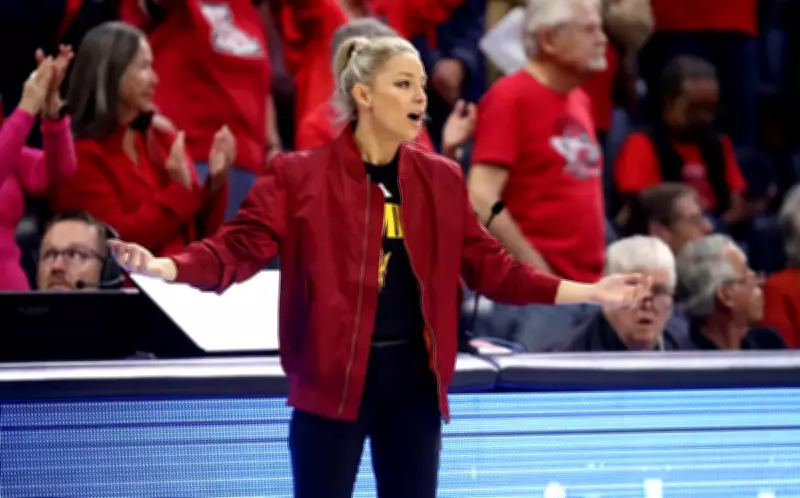
In March 2025, the Arizona State women's basketball program faced a critical juncture, seeking a head coach capable of ending a prolonged drought. The team had not secured a NCAA Tournament berth or achieved a winning season since the 2019-20 campaign. The university's selection was Molly Miller, a highly accomplished coach from Grand Canyon University, where she orchestrated a remarkable 32–3 record in her final season and guided the Lopes to their inaugural NCAA Tournament appearance.
Immediate Impact and Tangible Results
Miller swiftly transformed Arizona State's fortunes, steering the team to an impressive 24-11 record and securing their first NCAA Tournament invitation in six years. Although the season concluded in the First Four round, this achievement marked a significant turnaround for a program that had struggled with consistency. Miller's strategic acumen and leadership were evident, yet the broader conversation surrounding her appointment took an unexpected and reductive turn.
The Distraction of 'Pretty Privilege' in Sports Discourse
Despite her proven track record, online discussions increasingly fixated on Miller's physical appearance. She is blond and petite, often described as conventionally attractive, which led to a pervasive shift in focus from her coaching credentials to superficial attributes. On platforms like TikTok, videos highlighting her appointment garnered hundreds of thousands of views, with comments emphasizing her looks rather than her professional accomplishments.

One viral TikTok praised Miller as "one of the best basketball coaches to ever walk the Earth" but immediately noted, "she is a beautiful woman... I hate saying it, but if you know anything about Arizona State, you go because it's beautiful." Another video, captioned "Molly Miller isn't going viral because of her coaching," juxtaposed her achievements with remarks about the university's reputation as a "big party school" with "beautiful women." The comments sections were flooded with objectifying statements like "she's so hot" and dismissive insinuations about diversity hiring practices.
A Persistent Pattern in Women's Sports
This phenomenon is not isolated to Miller's case. Women in sports have long been subjected to evaluations based on appearance, often overshadowing their professional merits. From the WNBA's early marketing strategies that promoted a "straight girl next door" image intertwined with sexualization to contemporary instances like Paige Bueckers facing sexualized TikTok edits or Taylor Rooks being memeified for her rapport with NBA players, the pattern remains consistently reductive.
When Miller's achievements are met with qualifiers like "but...," it implies that merit alone is insufficient, and her success is measured against narrow standards of physical attractiveness. This dynamic forces women in sports to navigate a cycle of constant negotiation, explanation, and self-validation, detracting from their ability to simply perform their roles effectively.
Systemic Implications and Professional Backlash
Taylor Rooks, an Emmy-nominated journalist, addressed this issue on a recent podcast, refuting suggestions that her "pretty privilege" secures her interviews with NBA players. She emphasized, "To minimize somebody's skill or capabilities or talent to the fact that they maybe look good to you is such a disservice to all the work they have put in." Rooks' career, spanning 15 years and including roles hosting NFL coverage and Amazon Prime studio shows, exemplifies the ongoing struggle for legitimacy faced by women in sports media and coaching.
Similarly, Miller's coaching prowess—evidenced by revitalizing a struggling program—deserves recognition equal to the viral attention her appearance has received. The disparity in coverage underscores a systemic issue where misogyny and objectification waste women's time and hinder progress. Organizations like the NCAA, WNBA, and NWSL continue to grapple with pervasive narratives that question women's legitimacy, often fueled by online commentary that prioritizes appearance over achievement.

Moving Beyond Superficial Narratives
The intentional distraction of focusing on looks rather than performance reinforces a narrative that undermines women's rightful place in sports. It delays acknowledgment of their capabilities and stalls advancements based on merit. As Miller and others like Rooks demonstrate, the fight for legitimacy persists, requiring a collective shift in discourse to celebrate professional accomplishments without reductionist caveats.
Arizona State's return to the NCAA Tournament under Miller's guidance is a testament to her coaching excellence, a story that merits viral attention in its own right. By redirecting focus toward tangible results and leadership skills, the sports community can begin to dismantle the beauty trap that has long constrained women's recognition and success in athletics.