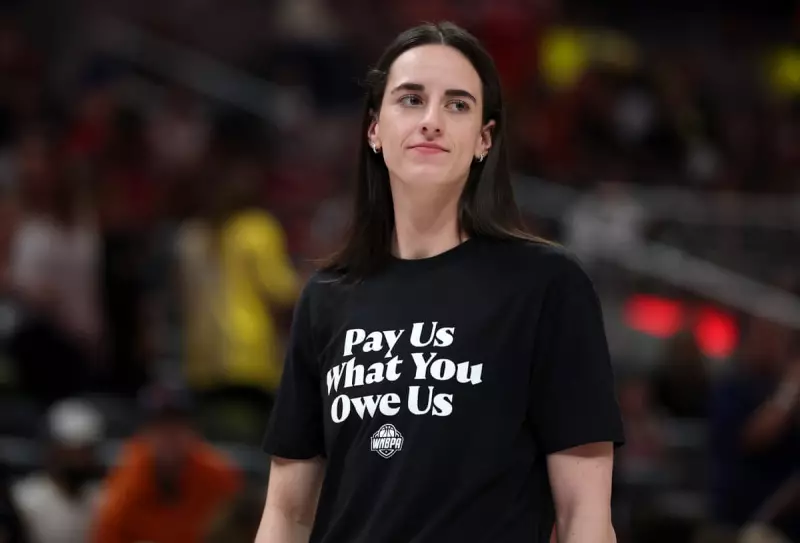
In a decisive move that could disrupt the upcoming season, players in the Women's National Basketball Association (WNBA) have voted overwhelmingly to authorise a potential strike. The vote, conducted by the Women's National Basketball Players Association (WNBPA), gives union leadership the power to call a work stoppage if a new collective bargaining agreement (CBA) is not finalised before the 2026 season tips off.
Overwhelming Mandate for Action
The union announced the result on Wednesday, revealing that a staggering 99% of voting members supported the strike authorisation. This near-unanimous vote sends a powerful message to the league's owners about the players' resolve. The current collective bargaining agreement is set to expire on 1st January 2026, placing a firm deadline on negotiations. If a new deal is not in place by the time the season begins, players are prepared to walk out.
Terri Jackson, the Executive Director of the WNBPA, framed the vote as a necessary step. "This vote is a procedural step in the process, but it is a significant one," Jackson stated. She emphasised that the authorisation empowers the union's negotiating committee while demonstrating the unified stance of the players. The WNBPA has been engaged in talks with the league for several months, but significant gaps reportedly remain on core economic and working condition issues.

Charter Flights and Compensation at the Forefront
Central to the dispute are long-standing concerns over player compensation, travel standards, and overall investment in the league. A primary point of contention is the use of charter flights. Currently, WNBA teams predominantly fly commercially, a policy players argue leads to excessive fatigue, security concerns, and a lack of recovery time compared to their NBA counterparts.
The players are pushing for the regular use of charter flights for all team travel, a change the league has historically resisted due to its high cost. Other key bargaining points include:
- Increased revenue sharing: Players seek a larger slice of the league's growing financial pie.
- Higher salaries and benefits: Despite recent increases, many argue compensation does not match the league's growth or player value.
- Improved working conditions: This encompasses everything from maternity leave policies to arena facilities.
The WNBA has seen a substantial surge in popularity, television ratings, and commercial interest in recent years, driven by stars like Caitlin Clark, A'ja Wilson, and Breanna Stewart. Players argue that this growth must be reflected in their working conditions and pay.
Potential Impact and the Road Ahead
A strike would represent a seismic event for professional women's sports. The 2026 WNBA season is highly anticipated, building on record-breaking viewership and attendance from the previous year. A work stoppage would halt this momentum, disappointing fans, affecting broadcast partners, and jeopardising sponsorship deals.
The league has acknowledged the ongoing negotiations. A WNBA spokesperson said, "We are continuing to negotiate in good faith with the WNBPA towards a fair agreement." However, the massive strike authorisation vote indicates players feel progress is too slow. The union has stressed that the authorisation is a tool, not an immediate trigger, and that the goal remains to reach a deal at the bargaining table.
All eyes will now be on the negotiation sessions in the coming weeks and months. The 99% strike authorisation vote has fundamentally shifted the dynamics, proving the players' unity and willingness to take drastic action to secure what they view as a necessary and equitable new deal for the future of the WNBA.