Ashes Fallout Continues as Seven Faces $7m Revenue Hit from Two-Day Tests
The financial repercussions of an unusually brief Ashes series are continuing to ripple through Australian cricket, with Channel Seven reporting a significant $7m revenue shortfall directly attributed to the pair of two-day Tests that dominated the summer schedule. This unexpected turn of events has left broadcasters, the sport's governing body, and even the players themselves counting the cost of matches that finished far earlier than anticipated.
Broadcast Revenue Takes Direct Hit from Shortened Matches
Southern Cross Media Group, the parent company of Seven West Media which holds Australia's free-to-air broadcast rights for the Ashes, released half-yearly results revealing revenue of $712m. This figure represents a 2.1% decline compared to the previous year and falls 1% below the guidance provided at November's Annual General Meeting. The company explicitly pointed to "waning interest from those booking ads, and the cricket" as primary factors behind this unexpected downturn.
Earnings for the period stood at $67m, marking a substantial 27% decrease from the preceding period. In an official statement, the media group clarified: "The revenue shortfall to guidance is attributable to a weaker than expected advertising market in November and December, and the impact of shortened Perth and Melbourne Ashes Test match broadcasts."

Cricket Australia Suffers Substantial Financial Losses
The financial impact extends well beyond the broadcast partners. Cricket Australia (CA) experienced considerable losses from the abbreviated matches, with the Perth Test estimated to have cost approximately $4m. The Boxing Day Test at the Melbourne Cricket Ground, which boasts a capacity of 100,000 spectators, reportedly resulted in an even more substantial shortfall reaching as high as $10m.
CA Chief Executive Todd Greenberg acknowledged the financial strain in late January, stating that the briefer-than-expected series had genuinely "hurt" the organisation's finances. "I'm not in the business of giving money back, it doesn't come naturally, so I would have much preferred those days to go on," Greenberg revealed during an interview on The Grade Cricketer podcast.
Players' Revenue Share Agreement Compounds Financial Implications
The financial ramifications reach even the Australian players through their revenue share agreement with Cricket Australia. Greenberg highlighted this ironic twist, explaining: "There's some irony for the players too, because when I sat on the side of the players [at the Australian Cricketers' Association] we generated a revenue share agreement, so they take 27% of every dollar we earn."
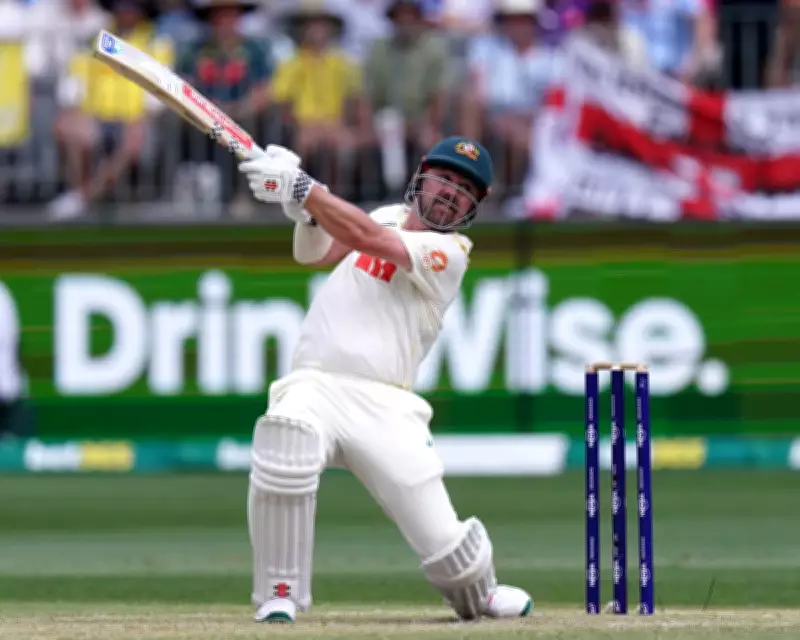
This arrangement means that when broadcast revenue declines, player earnings are directly affected. Greenberg recounted a telling conversation with Travis Head, whose blistering century in Perth contributed to the first Test concluding in just two days: "I went down to the sheds to see all the boys at the end of the Perth Test including Trav [Head] and he was like, 'Sorry boss, we probably cost you some money.' I said 'Trav, you've probably cost yourself some money too.'"
Match Circumstances Behind the Abbreviated Tests
The Perth Test concluded prematurely after Travis Head's explosive century performance wrapped up proceedings in just two days, necessitating refunds for ticket-holders who had purchased seats for days three and four. The Melbourne Test followed a similar pattern, with MCG curator Matthew Page admitting the pitch had "gone too far" in terms of difficulty for both batting sides.
These abbreviated matches occurred during a crucial period for Seven and subscription television provider Foxtel, who are midway through a substantial $1.5bn, seven-year agreement to broadcast international cricket throughout the Australian summer. When scheduled programming concludes unexpectedly early, networks typically offer alternative advertising inventory as "make-goods," but the financial results indicate these measures couldn't fully compensate for the lost revenue.

Broader Context and Future Outlook
Cricket Australia reported an $11.3m loss for the 2024-25 period but remains optimistic about returning to profitability during the current summer season. The situation highlights the delicate balance between sporting excellence and commercial considerations in modern cricket, where exceptional individual performances can paradoxically undermine financial projections.
The Ashes series, traditionally a cornerstone of both sporting and broadcasting calendars, has demonstrated how unexpected match durations can create significant financial turbulence across multiple stakeholders. As the sport continues to navigate these challenges, the relationship between on-field performance, broadcast arrangements, and revenue generation remains under close scrutiny.