Bangladesh Boycott Casts Shadow Over T20 World Cup Amid Political Tensions
The build-up to the men's T20 World Cup, co-hosted by Sri Lanka and India, has been marred by political controversy rather than sporting anticipation. What should be a joyous celebration of global cricket has instead become entangled in subcontinental politics, casting a pall over the tournament scheduled to begin in less than two weeks.
Scotland's Late Call-Up Replaces Withdrawn Bangladesh
The International Cricket Council confirmed over the weekend that Bangladesh will not participate in the tournament, with Scotland receiving a late call-up to replace them. This dramatic change to the final lineup comes after the Bangladesh Cricket Board, citing government advice, refused to travel to India due to "concerns regarding the safety and security of the Bangladesh contingent."
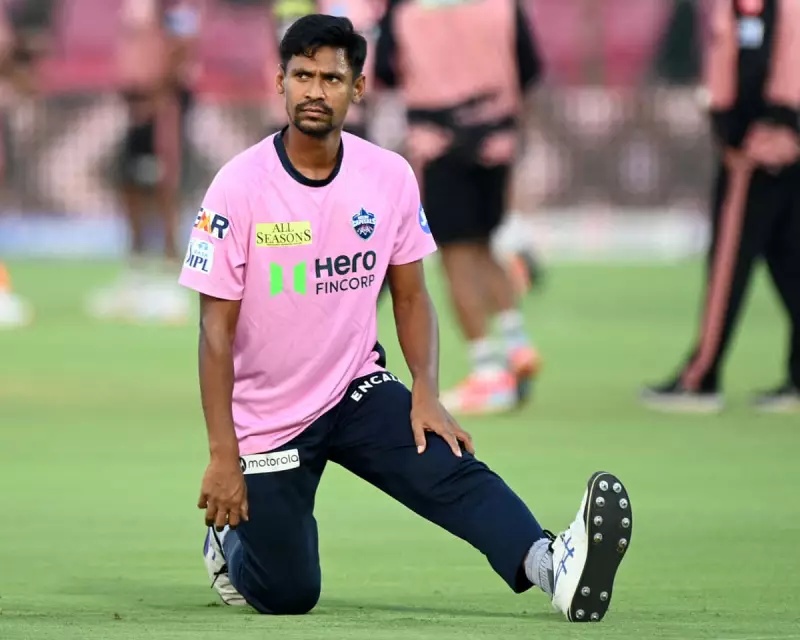
The situation escalated following the controversial removal of Bangladesh fast bowler Mustafizur Rahman from the Kolkata Knight Riders squad at the start of the month. The Indian Premier League franchise acted on instructions from the Board of Control for Cricket in India, with board secretary Devajit Saikia vaguely citing "recent developments" as justification.

Political Tensions Spill Into Cricket Arena
This cricketing dispute occurs against a backdrop of heightened political tensions between the neighbouring nations. The removal of Rahman came weeks after the killing of Dipu Chandra Das, a Hindu factory worker accused of blasphemy, by a mob in northern Bangladesh. Subsequent protests across the border, where ousted Bangladesh prime minister Sheikh Hasina resides in exile, further strained relations.
Bollywood megastar and KKR owner Shah Rukh Khan faced criticism from religious and political figures in India for his franchise's initial signing of Rahman, highlighting how cricket has become entangled in broader geopolitical disputes.
ICC's Response Raises Questions of Consistency
The ICC issued a lengthy statement explaining its decision not to accommodate Bangladesh's concerns. The governing body claimed that all security assessments indicated "no threat to Bangladesh players, media persons, officials and fans at any of the tournament venues in India." It further argued that making changes so close to the tournament "could set a precedent that would jeopardise the sanctity of future ICC events and undermine its neutrality as a global governing body."
This stance has raised eyebrows given the ICC's handling of previous political disputes. When India refused to travel to Pakistan for last year's Champions Trophy, the governing body's response was notably brief, simply stating that the two nations would not visit each other during the current rights cycle without detailed explanation.
Historical Parallels Highlight Changing Times
The current situation stands in stark contrast to cricket's history of overcoming political divisions. In 1996, when Sri Lanka co-hosted the World Cup during civil war, Australia and West Indies forfeited their Colombo fixtures following a city bombing. In response, a combined India-Pakistan XI took to the field against Sri Lanka at the Premadasa Stadium, featuring legends like Wasim Akram and Sachin Tendulkar in a powerful show of South Asian solidarity.
American writer Mike Marqusee, witnessing Akram and Tendulkar embrace after dismissing Romesh Kaluwitharana, noted in his book War Minus The Shooting: "It was hard to believe that not twenty-four hours earlier Indian and Pakistani troops were exchanging fire across the disputed Kashmir border. Not for the only time that day, I felt a lump in my throat."
Tournament Preparations Continue Amid Controversy
Despite the political storm, preparations continue at Colombo's R Premadasa Stadium, currently hosting an ODI series between Sri Lanka and England. The venue has been dressed with T20 World Cup branding, including banners proclaiming "Feel the thrill" alongside images of the trophy. A poster spotted during Saturday's match declared "We will repeat 2014," referencing Sri Lanka's tournament victory twelve years ago.

With twenty teams including Italy participating, the tournament maintains its global character, though Pakistan's matches have all been scheduled in Sri Lanka rather than India. Pakistan Cricket Board chair Mohsin Naqvi has cast doubt over his side's participation following Bangladesh's removal, suggesting the final decision rests with the government.
The episode highlights cricket's ongoing struggle to separate sport from politics, with the ICC's credibility as a neutral governing body facing renewed scrutiny as another major tournament approaches under controversial circumstances.