Pakistan's Boycott of India Match Highlights Cricket's Deepening Political-Commercial Divide
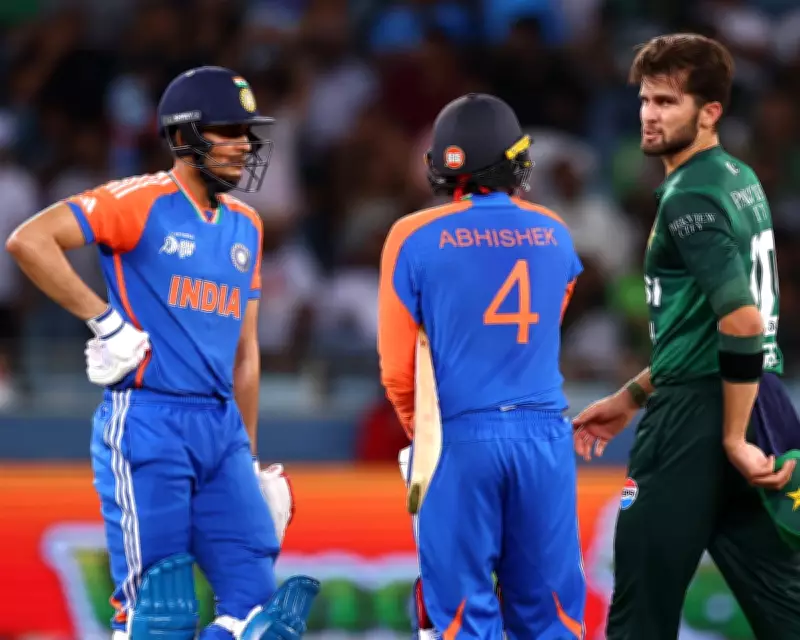
In a move that underscores the escalating tensions between cricket's commercial imperatives and geopolitical realities, the Pakistani government has announced its national team will boycott the scheduled match against India at the T20 World Cup. This decision, communicated via a social media post, explicitly states that the Pakistan cricket team shall not take the field on 15 February 2026 against India, casting a shadow over the tournament's integrity and financial stability.
The Ripple Effect of Geopolitical Tensions on Cricket
The boycott is not an isolated incident but part of a broader pattern of political interference in the sport. Earlier this year, the Board of Control for Cricket in India's instruction to release Bangladesh's Mustafizur Rahman amid bilateral tensions triggered a chain reaction, leading to Bangladesh's withdrawal from the tournament over security concerns. This was followed by Pakistan Cricket Board chair Mohsin Naqvi decrying the situation as an injustice and double standards, prompting governmental intervention.
Notably, India did not travel to Pakistan for last year's Champions Trophy, a decision that the International Cricket Council tacitly endorsed by adopting a hybrid model for future tournaments. This model ensures that Pakistan and India do not host each other, effectively segregating their fixtures in neutral venues.

The Commercial Engine Behind India-Pakistan Fixtures
Despite the political animosity, the India-Pakistan cricket match remains a commercial juggernaut. The fixture is a cornerstone of the ICC's lucrative $3 billion media rights deal with JioStar, driving global viewership and revenue. As former ICC media head Sami Ul Hasan noted, tournament organisers prioritise this clash over sporting integrity, scheduling it at every opportunity to maximise eyeballs and income.
This reliance on a single, politically charged fixture raises questions about the sport's sustainability. The ICC's response to Pakistan's boycott emphasised the potential impact on the global cricket ecosystem, hinting at the financial repercussions of disrupting this key revenue stream.
The Human Cost and Fan Disappointment
The boycott also highlights the disconnect between cricket's administrators and its supporters. Pakistani fans have been repeatedly short-changed, with last year's Champions Trophy final moved to Dubai due to India's participation, denying them a home final. The hybrid model has meant limited opportunities for local spectators to witness high-stakes matches, undermining the sport's appeal in cricket-loving nations.
Moreover, the politicisation of cricket has fostered a toxic environment, with incidents like Indian Prime Minister Narendra Modi's jingoistic social media posts comparing victories to military operations. This rhetoric exacerbates tensions and detracts from the spirit of the game.
Unanswered Questions and Future Implications
The boycott leaves several critical questions unresolved:
- Will Pakistan consider facing India in knockout stages if both teams progress?
- What are the long-term implications the ICC warns of, particularly for Pakistan's cricket infrastructure?
- How can a mutually acceptable resolution be achieved without resorting to the flawed hybrid model?
- Why has cricket become so dependent on a single fixture, risking its global appeal?
As the T20 World Cup approaches, the sport faces a pivotal moment. While the action on the field may temporarily overshadow these issues, the underlying conflict between commercial interests and political realities threatens to undermine cricket's future. The tournament must navigate these choppy waters, balancing economic needs with the welfare of fans and the integrity of the game.