In a dramatic development that underscores the deep-seated political rift between the two nations, the Pakistan government has granted approval for its national cricket team to compete in the upcoming Twenty20 World Cup. However, in a significant and controversial stipulation, officials have mandated that the team boycott its scheduled match against arch-rivals India.
Government Mandate on India Match
The decision was formally announced via an official post on the government's X account on Sunday. The statement read, "The government ... grants approval to the Pakistan cricket team to participate in the World T20, however, the Pakistan cricket team shall not take the field in the match against India." This directive directly impacts the Group A fixture set for 15 February in Colombo, Sri Lanka, a neutral venue arranged due to the longstanding policy of Pakistan not touring India.
Geopolitical Backdrop and Cricket Relations
This boycott is not an isolated incident but rather a continuation of the fraught political relations between India and Pakistan, which have severely impacted bilateral cricket for years. The suspension of direct sporting ties stems from complex geopolitical tensions, including a military conflict last year that nearly escalated into a full-scale war. The International Cricket Council (ICC) has previously intervened to broker arrangements for matches at neutral venues when global tournaments are hosted by either nation, highlighting the ongoing diplomatic challenges.

Pakistan, the 2009 T20 World Cup champions, had earlier named their squad for the 20-team tournament commencing on 7 February, with participation contingent on government clearance. The confirmation of their entry, albeit with the India exclusion, follows a pattern of political influence in cricket, as seen when Bangladesh were replaced by Scotland in this tournament over safety concerns related to travelling to India.
Impact on the Tournament and Cricket Diplomacy
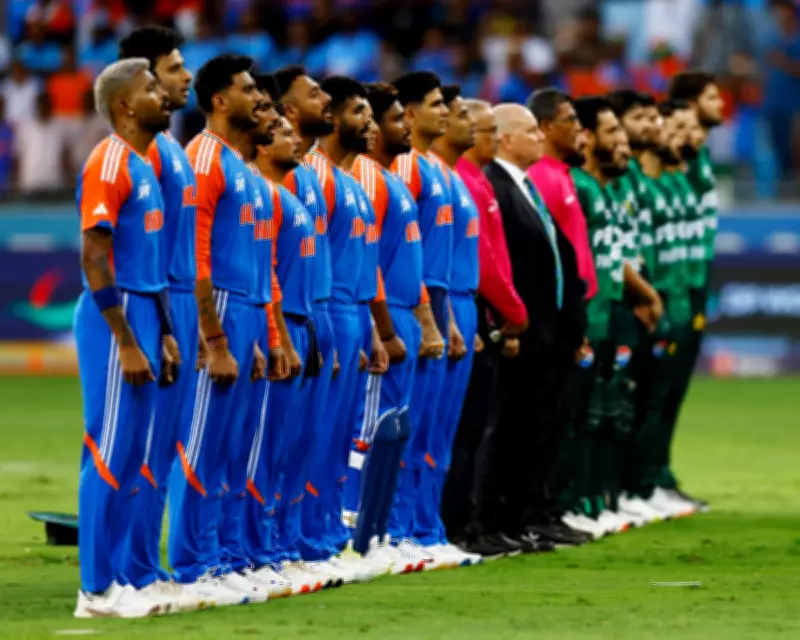
The decision to boycott the India match delivers a serious blow to the T20 World Cup, as an India-Pakistan clash is widely regarded as cricket's greatest blockbuster, drawing massive global viewership and revenue. This move exacerbates the soured relations, which were vividly displayed during last year's Asia Cup in Dubai. In that tournament, India defeated Pakistan three times, including in the final on 28 September, but notably refused to shake hands with their opponents or accept the trophy from Asian Cricket Council chief Mohsin Naqvi, who serves as Pakistan's interior minister.
Broader Implications for International Sport
This episode raises critical questions about the intersection of sports and politics, particularly in high-stakes events like the T20 World Cup. The boycott not only affects team dynamics and fan expectations but also underscores how geopolitical strife can spill over into international competitions, potentially undermining the spirit of unity and fair play. As tensions persist, the future of cricket diplomacy between these neighbouring nations remains uncertain, with this latest action setting a precedent that could influence other sporting engagements.