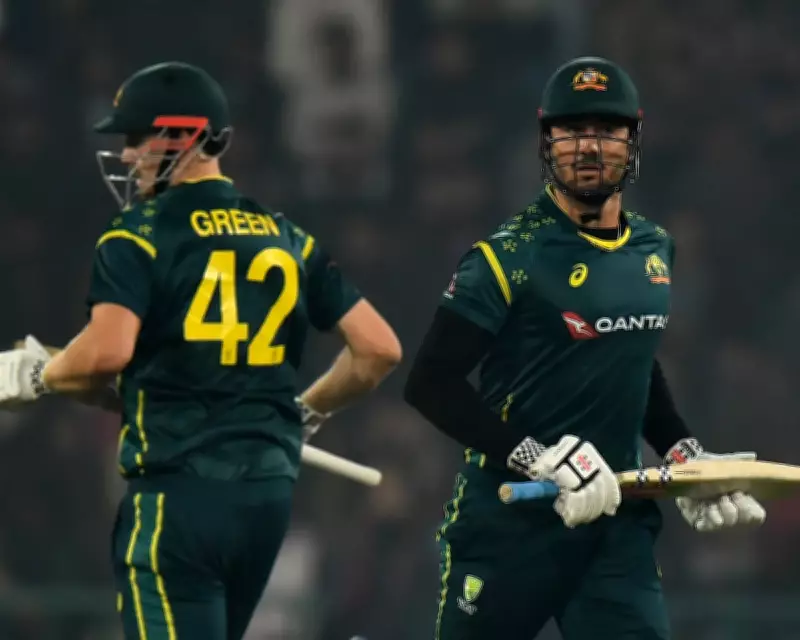
Australia's T20 World Cup Fatigue: A Cricketing Conundrum
The Australian cricket team is grappling with a significant challenge in the aftermath of the T20 World Cup, as widespread fatigue among players threatens to undermine their performance and spark broader discussions about athlete welfare in the sport. This issue has emerged as a critical concern for the team's management and fans alike, highlighting the intense physical and mental demands of modern cricket.
The Impact on Player Performance
Fatigue from the T20 World Cup has manifested in various ways, affecting key players across the squad. Reports indicate that several Australian cricketers are experiencing reduced energy levels, slower reaction times, and a general sense of burnout, which could compromise their effectiveness in upcoming matches and tournaments. This situation is particularly alarming given the packed international cricket calendar, which leaves little room for adequate recovery.
The strain is not just physical but also mental, with players facing the cumulative pressure of high-stakes competitions, travel, and media scrutiny. This dual burden can lead to decreased motivation and increased risk of injuries, posing a serious threat to Australia's competitive edge in global cricket.

Broader Implications for Cricket
This fatigue issue raises important questions about the sustainability of current cricket schedules and the need for better player management strategies. As the sport continues to evolve with more frequent tournaments and shorter formats like T20, the toll on athletes is becoming increasingly evident. Experts suggest that without intervention, such fatigue could become a recurring problem, not just for Australia but for teams worldwide.
Potential solutions being considered include:
- Implementing mandatory rest periods for players after major events.
- Adjusting fixture lists to reduce back-to-back matches.
- Enhancing support systems, such as sports psychology and physiotherapy.
These measures aim to balance the excitement of the game with the well-being of those who play it, ensuring cricket remains a vibrant and healthy sport for years to come.
Looking Ahead for Australia
For Australia, addressing this fatigue is crucial as they prepare for future competitions, including Test series and limited-overs fixtures. The team's management must navigate this challenge carefully, potentially rotating players or giving key individuals time off to recuperate. How they handle this situation could set a precedent for other cricketing nations, influencing policies on player workload and recovery across the sport.
In conclusion, the fatigue hitting Australia post-T20 World Cup serves as a wake-up call for cricket administrators and fans. It underscores the need to prioritise athlete health in an era of relentless competition, ensuring that the thrill of the game does not come at the cost of player welfare.