Published April 11, 2026 12:00pm
The Grand National's Dark Legacy: A History of Horse Fatalities
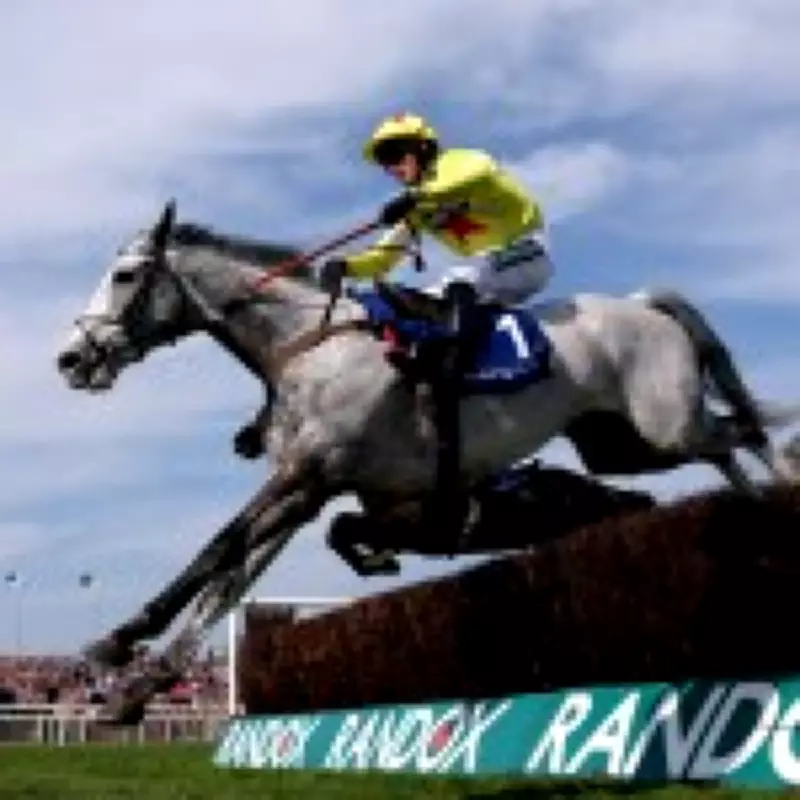
The Grand National stands as the most iconic horse race in the United Kingdom, captivating audiences with its thrilling drama and intense competition. However, beneath the excitement lies a sobering reality of tragedy and loss. The challenging course at Aintree, featuring 30 formidable jumps over four miles and two-and-a-half furlongs, poses significant dangers to both horses and jockeys. Despite ongoing efforts to enhance safety, the inherent risks of steeplechasing persist, casting a shadow over the 2026 edition set to commence at 4pm today.
How Many Horses Have Died at the Grand National?
Since the inaugural race in 1839, a total of 88 horses have lost their lives in the Grand National. Of these fatalities, 16 have occurred since the year 2000, with several incidents taking place in recent years. In 2019, the horse Up For Review died after being brought down at the first fence by another fallen competitor, marking the first death in the steeplechase in seven years since Synchronised and According to Pete in 2012. The 2021 race saw the loss of The Long Mile, while 2022 witnessed two fatalities: Discorama and Eclair Surf. In 2023, Hill Sixteen perished during a delayed event following an animal rights protest. Fortunately, there were no deaths in 2024 or 2025.

Expanding the scope to the entire Aintree Festival, the toll is even higher, with 67 horse deaths since the turn of the millennium. The most recent casualty, Gold Dancer, was euthanized on Friday after suffering a broken back during a win in the Mildmay Novices’ Chase. According to the British Horseracing Authority (BHA), steeplechasing events average four deaths per 1,000 participants, a rate that is notably elevated at Aintree.
Jockey Fatalities in the Grand National
Only one jockey has died in the history of the Grand National. On March 12, 1862, Joseph Wynne, riding O’Connell, sustained fatal injuries when another horse, Playmate, fell at The Chair obstacle, causing a pile-up. Playmate landed on Wynne, crushing his breastbone and rendering him unconscious. He passed away later that evening without regaining consciousness, highlighting the perilous nature of the sport in its earlier years.
Recent Safety Improvements at Aintree
In response to ongoing concerns, Aintree has implemented several physical modifications to the course aimed at enhancing safety for horses and jockeys alike. Key changes include:
- The use of softer materials in fences, such as foam cores, to reduce impact forces during collisions.
- Reductions in fence heights and the repositioning of the first jump 60 yards closer to the start line in 2024 to decrease approach speeds.
- Reprofiled landing zones to soften the impact of falls.
Additionally, operational adjustments have been made, including reducing the field size from 40 to 34 horses in 2024 to alleviate congestion and introducing a standing start instead of a rolling start for better control at the race's outset. Despite these measures, some within the racing community argue that these changes may inadvertently encourage jockeys to take greater risks, underscoring the complex balance between safety and competition.
As the 2026 Grand National unfolds, the legacy of past tragedies serves as a poignant reminder of the stakes involved. While advancements in safety protocols offer hope for a safer future, the sport's dangerous essence remains an unavoidable aspect of this historic event.