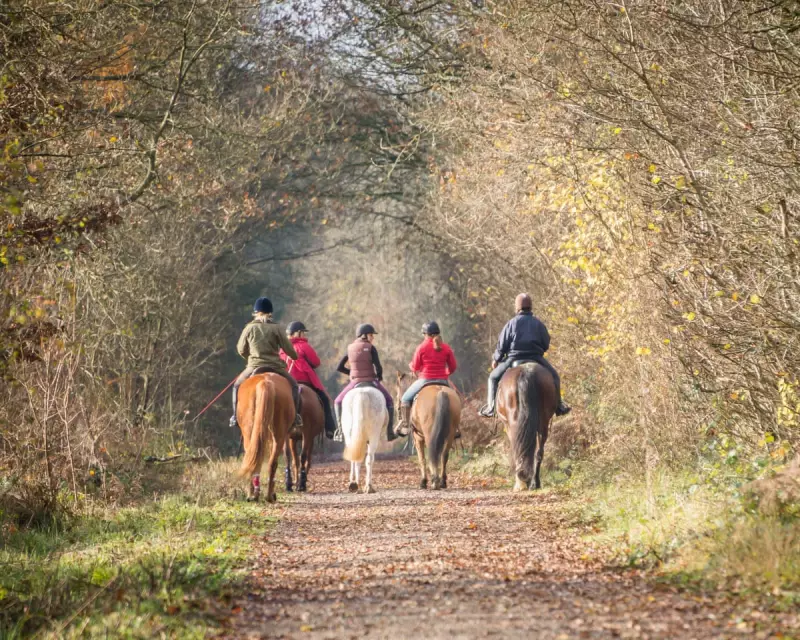
A lively debate has emerged in the pages of The Guardian, sparked by columnist Adrian Chiles, concerning a glaring double standard in the etiquette of cleaning up after animals in the British countryside and towns.
The Paws vs Hooves Disparity
In a recent column on 14 January, Adrian Chiles traced the "seismic cultural shift" in attitudes towards dog waste. He noted that it is now commonplace for dog owners to carry bags and clean up after their pets, a practice that has made public spaces far cleaner. However, this revolution in civic responsibility appears to have clear limits.
Correspondents to the newspaper have pointed out that while walkers must vigilantly police their pets, horse riders face no such social pressure. Large, smelly deposits of horse manure are frequently left on footpaths and bridleways, sometimes rendering them impassable. This has led to accusations of a two-tier system based purely on the type of animal one owns.

Letters from the Front Line
Ros Ward from Durham wrote in to question the logic. "Dog owners have taken on their duty to clear up after their pets, always armed with dog-poo bags," she stated. "Why are horse owners and riders allowed to make much larger, smellier and long-lasting heaps of horse excrement?" She suggested that riding stables should bear the responsibility, even if it is inconvenient for individual riders to dismount.
The contrast was vividly illustrated by Jan Veenstra, a Dutchman housesitting in rural England. He described an encounter where, while cleaning up after a dog, he watched a rider pass by whose horse deposited a "steaming mountain of manure" directly on the track. The rider acknowledged him with a polite nod and continued on her way.
A Question of Class and Convenience?
Veenstra's observation cuts to the heart of the perceived hypocrisy. "It seems that if your beast has paws, you’re a social pariah for a missed scoop. If it has hooves, the carefree 'leave-it-where-it-lands' era of the 1950s lives on," he wrote. His letter provocatively suggests that the status of the "doo" may be entangled with the owner's perceived place in the social hierarchy, as much as with practicalities.
The core argument from the equestrian community often centres on practicality and the organic nature of horse manure, which is not considered a significant health risk in the same way as dog faeces. However, for walkers, cyclists, and other path users, the issue is one of public nuisance, accessibility, and basic civic consideration.
The debate, hosted in The Guardian's letters section, leaves readers pondering whether the norms that successfully transformed dog ownership will ever extend to the equestrian world, or if the countryside will remain divided by this very fundamental difference in waste management.