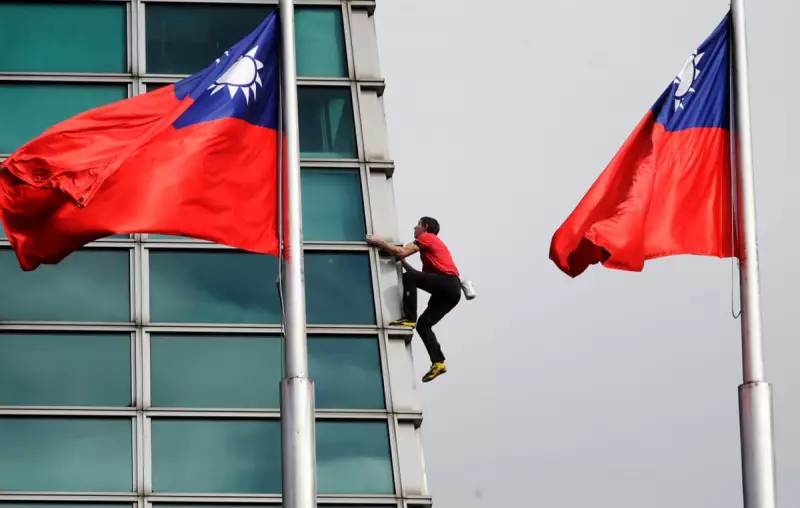
In a breathtaking display of human endurance and skill, American rock climber Alex Honnold successfully scaled the iconic Taipei 101 skyscraper on Sunday without the use of ropes or any protective equipment. The daring ascent, which was broadcast live on Netflix with a ten-second delay, captivated audiences worldwide and ignited a complex conversation about the ethics of high-risk stunts in the media spotlight.
A Spectacular and Risky Feat
Honnold began his climb earlier on Sunday, tackling the 508-meter (1,667-foot) tower using only his bare hands to grip the horizontal metal beams. A gathered crowd erupted in cheers as he embarked on the vertical journey, pausing at one point to turn and face the onlookers, his red short-sleeve shirt a vivid contrast against the building's facade. The event, originally scheduled for Saturday, was postponed by twenty-four hours due to adverse weather conditions, adding an extra layer of anticipation to the proceedings.
Technical Challenges of the Ascent
The climb itself presented formidable technical obstacles. Honnold, renowned for his previous ropeless ascent of Yosemite National Park's El Capitan, navigated one corner of Taipei 101 by utilizing small L-shaped outcroppings as footholds. Periodically, he had to maneuver around and clamber up the sides of large ornamental structures that protrude from the tower's exterior. The building comprises 101 floors, with the most demanding section being the middle sixty-four floors. This segment, known as the "bamboo boxes" for their distinctive appearance, is divided into eight parts, each featuring eight floors of steep, overhanging climbing followed by balconies where Honnold took brief rests during his upward progression.

Historical Context and Ethical Considerations
While Honnold is not the first individual to ascend Taipei 101—French rock climber Alain Robert achieved this feat on Christmas Day in 2004 as part of the building's grand opening when it held the title of the world's tallest—he is the pioneer to do so without a safety rope. This distinction underscores the extraordinary risk involved. The live broadcast on Netflix amplified the event's visibility, drawing both excitement from fans of extreme sports and concern from critics who question the ethical implications of showcasing such a perilous endeavor in real-time. The blend of awe and unease highlights the ongoing debate about balancing entertainment with safety and responsibility in broadcasting.
The climb serves as a testament to Honnold's unparalleled expertise and courage, yet it also prompts reflection on the boundaries of live media coverage in the realm of extreme athletics. As audiences marvel at this historic achievement, the discussion surrounding its presentation continues to evolve.