FIFA's Trump Idolization and Iran's World Cup Uncertainty
FIFA President Gianni Infantino's sycophantic admiration for former US President Donald Trump has plunged world football into a profound ethical crisis, with Iran's participation in the upcoming World Cup now hanging in the balance due to escalating Middle Eastern conflicts. This development underscores how sports governance has become entangled in geopolitical strife, raising urgent questions about FIFA's political neutrality and moral accountability.
Geopolitical Turmoil and Football's Complicity
The unprecedented situation sees the United States, a co-host of the tournament, actively bombing Iran, a participating nation, following drone attacks on Saudi Arabian infrastructure. This marks a stark departure from historical precedents, such as Britain's 1966 World Cup amid conflicts in Borneo and Aden, highlighting FIFA's failure to apply consistent standards, unlike the bans imposed on Russia for invading sovereign states.
Infantino's unwavering alignment with Trump's regime, characterized by the awarding of a fabricated FIFA peace prize and promotional activities like the Gaza mini-pitch project, has transformed football from a mere observer into an active participant in global conflicts. This sycophancy has effectively made FIFA a propaganda tool, contradicting its statutory mandate for political neutrality and implicating the organization in the bloodshed of warfare.

Iran's World Cup Fate and Fan Exclusion
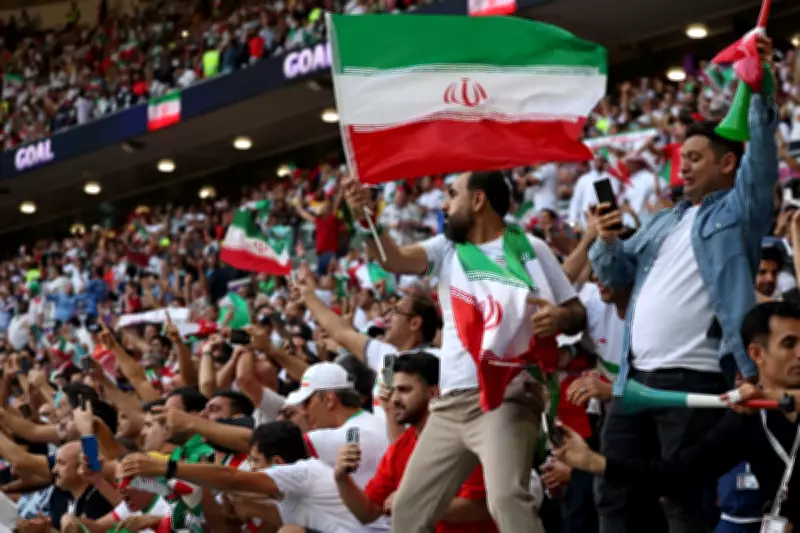
Iran's involvement in the World Cup is now critically uncertain, compounded by the US government's ban on Iranian fans entering the country. The Iranian Football Association has expressed an inability to approach the tournament with optimism, citing the regime's alleged atrocities against civilian protesters and the ongoing aerial bombardments. Under FIFA's force majeure provisions, the executive committee holds discretionary power to address such withdrawals, with potential replacements including nations like the United Arab Emirates or Qatar from the same qualifying group.
Despite the chaos, FIFA's leadership remains engrossed in administrative formalities, such as the International Football Association Board meeting in Wales, while the world grapples with these dire circumstances. The organization's prioritization of spectacle over principle, driven by the US's insistence on proceeding with the World Cup, reveals a disturbing willingness to overlook humanitarian crises for the sake of entertainment.
Ethical Reckoning and Future Implications
FIFA's complicity in Trump's aggressive foreign policies, including eight acts of overseas aggression during his second term, has irrevocably stained football's hands with blood. Infantino's choices—from trailing Trump like an awestruck admirer to endorsing manipulative peace initiatives—have eroded the sport's integrity, presenting a grotesque facade of diplomacy. The ongoing conflict in Gaza, fueled by US-funded weapons, further exposes the hypocrisy of FIFA's peace rhetoric, as Israel's destruction of infrastructure contrasts sharply with Infantino's symbolic gestures.
As the world watches, FIFA faces a looming reckoning for its role in empowering autocratic regimes and trivializing global suffering. The World Cup may proceed, but its legacy will be forever marred by this entanglement in violence, serving as a cautionary tale about the dangers of sports governance abandoning its ethical foundations in pursuit of power and prestige.