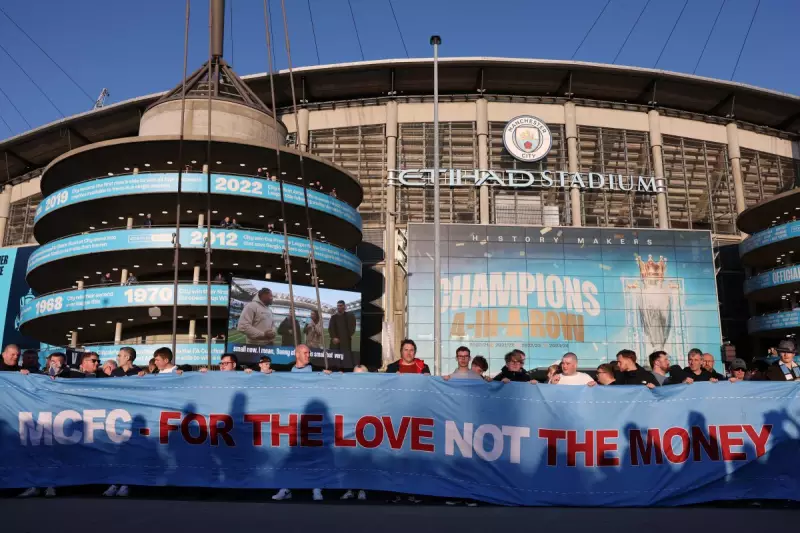
The newly established Independent Football Regulator (IFR) has announced it will deploy its full statutory powers to conduct a sweeping financial examination of clubs throughout the English football pyramid.
Unprecedented Scrutiny for the Game
Having operated independently since November 2025, the government-appointed body has now outlined the scope of its inaugural State of the Game report. This landmark analysis of men's professional football will grant the regulator authority to delve into the core financial and structural issues facing the sport.
The IFR will have the power to assess club debt and liquidity, ownership models, the evolving broadcast landscape, and the impact of player wages and academy development. This move follows the publication of its final owners, directors and senior executives criteria in December 2025, which arms the regulator with tools to act against unsuitable owners.

A Deep Dive into Football's Ecosystem
David Kogan, Chair of the Independent Football Regulator, stated: "The game has never been examined like this before. For the first time, we will shine a light on the financial pressures, governance gaps, and structural risks facing the football pyramid." He added that the report aims to provide the clarity needed for confident, long-term decision-making by the IFR.
The investigation will also extend to:
- Protections for club heritage assets like stadiums, colours, and crests.
- The flow of money throughout the entire sport.
The exact parameters for these areas will be finalised within a month. A draft report with initial findings is expected later in 2026, with the final State of the Game report scheduled for publication in 2027.
Ensuring Standards and Transparency
Richard Monks, the regulator's Chief Executive, emphasised the report's historic nature. "The State of the Game report will be the most in-depth assessment of the football industry ever conducted," he said. "It will help the IFR to scrutinise decisions, challenge existing practices, and ensure clubs meet expected standards."
Monks concluded that the findings will provide clear indicators for clubs, investors, and fans, highlighting where the game is thriving and, crucially, where urgent action is required to safeguard the future of football in England.