Guardiola's Sudan Comments Ignite Debate on Football and Political Stances
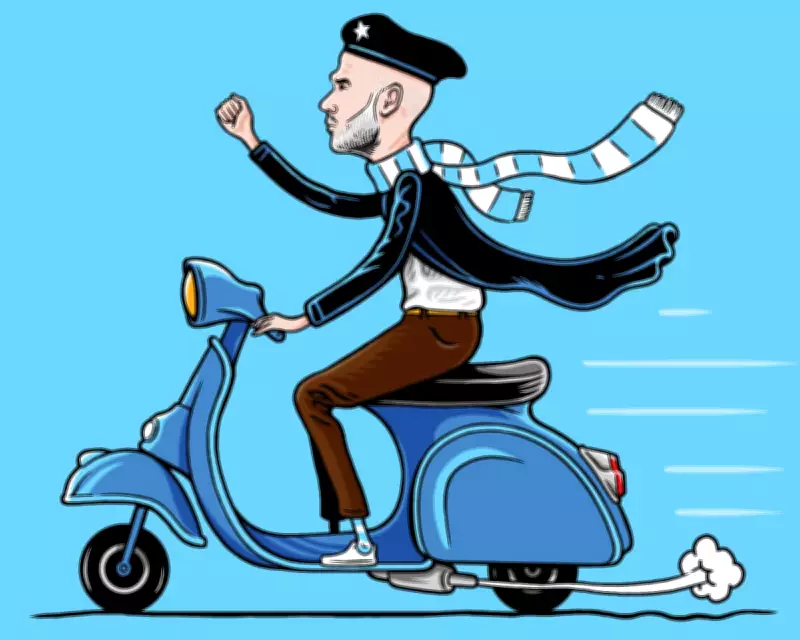
Pep Guardiola, the esteemed manager of Manchester City, has recently made headlines not for his tactical prowess on the pitch, but for his vocal stance on the ongoing conflict in Sudan. His comments have sparked a heated debate within the football community and beyond, raising questions about the role of high-profile figures in addressing global crises.
The Right to Speak Out: A Moral Imperative
Many argue that Guardiola is entirely justified in using his platform to speak out on the Sudan conflict. As a globally recognised figure, his voice carries significant weight, potentially drawing attention to a humanitarian crisis that might otherwise be overlooked. In an era where social and political issues increasingly intersect with sports, athletes and managers are often encouraged to leverage their influence for positive change. Guardiola's willingness to address such a serious matter could be seen as a commendable act of solidarity, aligning with a growing trend of sports personalities engaging with human rights and global justice.
Accusations of Performative Hypocrisy
However, critics have labelled Guardiola's comments as performative hypocrisy, pointing to perceived inconsistencies in his actions. Some question whether his stance is genuine or merely a public relations move, given the commercial and political complexities surrounding football. For instance, Manchester City's ownership ties and the broader financial ecosystem of the sport might be seen as conflicting with a pure humanitarian message. This criticism highlights a broader tension in modern football, where moral stances can be scrutinised for authenticity, especially when they come from figures embedded in lucrative, often controversial, industries.
The Broader Context: Football's Political Dilemma
This debate extends beyond Guardiola to the wider football world, which frequently grapples with its role in political and social issues. From climate change protests to racial justice movements, the sport is increasingly a battleground for ideological expression. Guardiola's case underscores the fine line between advocacy and opportunism, with fans and pundits divided on whether football should stick to sports or embrace its potential as a force for change. The Sudan conflict, with its devastating human toll, serves as a poignant backdrop for this discussion, forcing the community to reflect on its responsibilities and limitations.
Implications for Guardiola and Manchester City
Guardiola's comments could have tangible effects on his reputation and that of Manchester City. While some may applaud his courage, others might view it as a distraction from the team's on-field performance or a risky entanglement in geopolitics. In the UK, where football is deeply intertwined with cultural identity, such stances can polarise supporters and influence public perception. As the debate continues, it remains to be seen whether this will impact Guardiola's legacy or prompt broader conversations within the sport about ethical consistency and global engagement.
Conclusion: A Nuanced Perspective
In summary, Pep Guardiola's remarks on Sudan present a complex scenario where he can be both right to speak out and accused of hypocrisy. This duality reflects the challenging landscape modern football figures navigate, balancing personal convictions with professional pressures. As the sport evolves, instances like this will likely become more common, prompting ongoing reflection on how best to harness influence for meaningful impact without falling into performative traps.