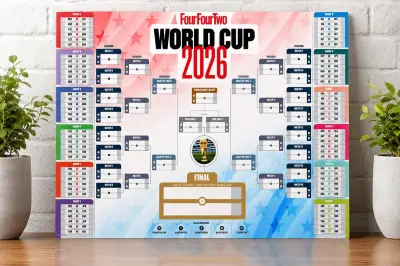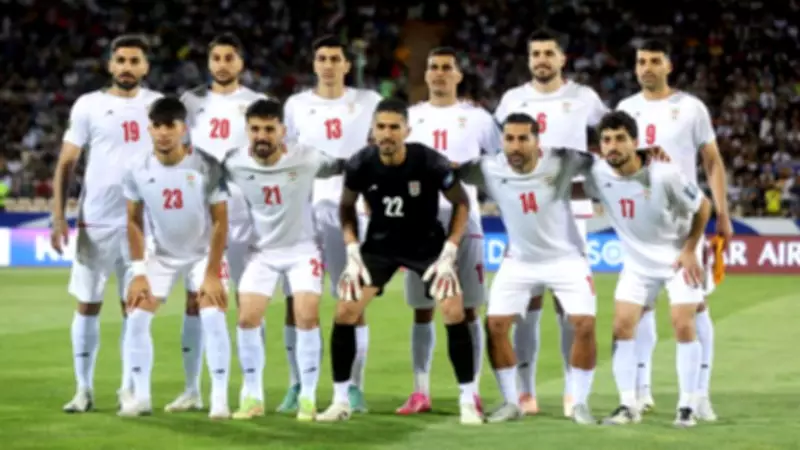
In a definitive statement, Iran's sports minister has declared that the nation will not compete in the upcoming 2026 FIFA World Cup, citing escalating geopolitical tensions and recent military conflicts. This announcement casts uncertainty over Iran's scheduled matches against New Zealand, Belgium, and Egypt in the tournament, which is co-hosted by the United States, Mexico, and Canada.
Political Tensions Escalate Over World Cup Participation
The decision comes amid heightened hostilities following strikes by US and Israeli forces on Iran, with Tehran retaliating against American assets and allies across the Middle East. Iran's sports minister, Ahmad Donyamali, emphasized on state television that "under no circumstances" can Iran participate, directly referencing the assassination of Ayatollah Ali Khamenei and labeling the situation as untenable for national representation.
FIFA's Efforts to Ensure Inclusion Amidst Conflict
Despite FIFA President Gianni Infantino's recent discussions with former US President Donald Trump, where assurances were given that Iran would be welcome to compete, Iranian officials remain steadfast in their boycott. Infantino highlighted the unifying power of football in a social media post, thanking Trump for his support and reiterating that the Iranian team is invited to the event. However, Mehdi Taj, head of Iran's football federation, questioned the rationality of sending the national team into such a volatile environment.

Impact on Iranian Athletes and Fans
The controversy extends beyond the men's team, as six members of the Iranian women's football team were recently granted humanitarian visas in Australia due to safety concerns after not singing the national anthem. Additionally, a travel ban imposed by Trump will prevent Iranian fans from attending matches in the US, though teams are expected to receive exemptions for participation.
Global Implications for the 2026 World Cup
FIFA's World Cup chief operating officer, Heimo Schirgi, asserted that the tournament is "too big" to be postponed despite global turmoil from the Iran war, emphasizing hopes for full participation from all qualified nations. This development underscores the complex interplay between sports and international politics, potentially setting a precedent for future events.