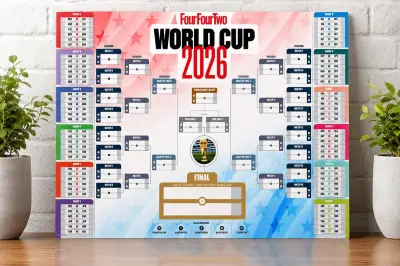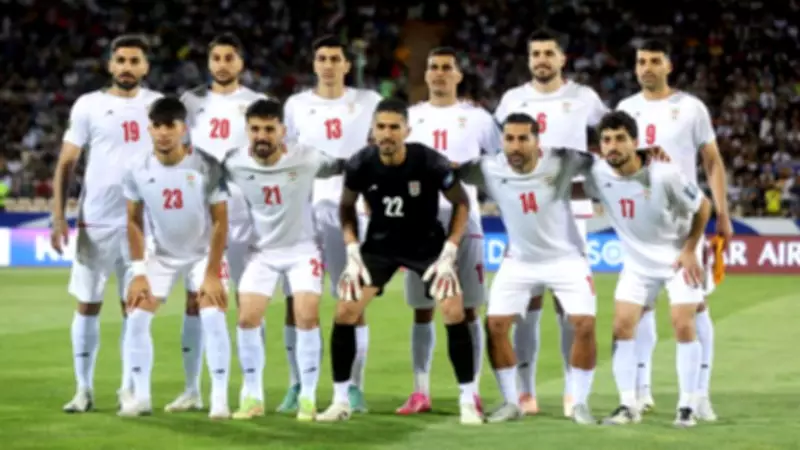
In a dramatic announcement, Iran's sports minister, Ahmad Donyamali, has declared that the country's national football team will not compete in the 2026 FIFA World Cup, citing escalating political tensions and recent military actions. This decision comes despite assurances from FIFA president Gianni Infantino and US President Donald Trump that Iran would be welcome at the tournament, co-hosted by the United States, Mexico, and Canada.
Political Backdrop Influences Sports Participation
The minister's statement, broadcast on state television, emphasized that "under no circumstances" can Iran participate, referencing the assassination of Ayatollah Ali Khamenei by what he termed a "corrupt regime." This follows retaliatory attacks between Iran and US-Israeli forces in the Middle East, which had cast doubt on the team's involvement. Mehdi Taj, head of Iran's football federation, echoed these sentiments, questioning the rationality of sending players into such a volatile situation.
FIFA's Efforts to Ensure Inclusivity Amid Global Turmoil
FIFA president Gianni Infantino met with President Trump to discuss tournament preparations, with Trump reiterating that the Iranian team is welcome. Infantino highlighted the unifying power of football, stating, "We all need an event like the FIFA World Cup to bring people together now more than ever." However, Heimo Schirgi, FIFA's World Cup chief operating officer, acknowledged the challenges posed by global turmoil but affirmed the event will proceed as scheduled, emphasizing its scale as too significant to postpone.

Impact on Iranian Football and Fan Engagement
Iran was scheduled to play matches against New Zealand, Belgium, and Egypt in the US during June. The withdrawal not only affects the team's competitive opportunities but also impacts Iranian fans, who face a travel ban imposed by Trump, preventing them from attending games. This development follows a related incident where six members of the Iranian women's football team were granted humanitarian visas in Australia due to safety concerns after not singing the national anthem, though one player has since returned to Iran.
The decision underscores the intersection of sports and international diplomacy, with Iran's stance reflecting broader geopolitical conflicts. As the 2026 World Cup approaches, FIFA continues to navigate these complexities while promoting unity through football.