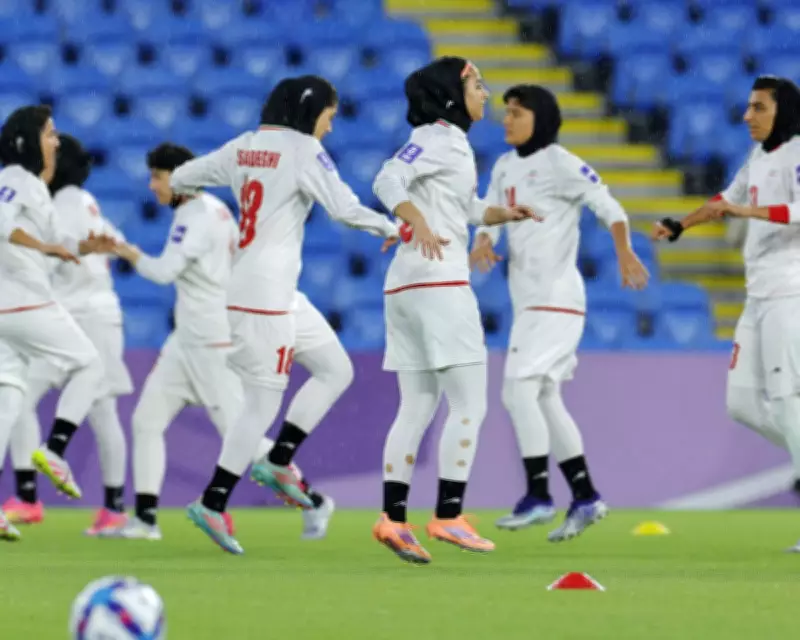
The Harsh Reality for Iran's Women Footballers
In Iran, women footballers confront an impossible choice between pursuing their athletic dreams and adhering to strict societal and political constraints. These athletes operate under severe restrictions that limit their participation in international competitions, training facilities, and public visibility. The narrative surrounding their struggles often risks romanticization, portraying them solely as symbols of resistance while overlooking the daily hardships and systemic barriers they face.
Navigating Systemic Barriers
The Iranian government imposes rigorous regulations on women's sports, particularly football, including dress codes, limited access to stadiums, and censorship of media coverage. These policies stem from broader gender discrimination and political ideologies that prioritize traditional roles over athletic empowerment. Women footballers must navigate these obstacles while maintaining their careers, often facing threats to their safety and professional opportunities.
Key Challenges Include:- Restricted access to international tournaments and training programs.
- Mandatory compliance with hijab and other dress codes during matches.
- Limited media representation and public support for their achievements.
- Political pressure that can lead to bans or disciplinary actions.
The Danger of Romanticization
While the courage of Iranian women footballers is undeniable, romanticizing their plight can obscure the urgent need for tangible support and policy changes. Portraying them merely as heroic figures may divert attention from the systemic reforms required to ensure their rights and opportunities. Instead, a focus on advocacy, international solidarity, and practical assistance is essential to address the root causes of their challenges.

- Promoting awareness through global sports organizations and human rights groups.
- Providing safe training environments and financial aid for athletes.
- Encouraging diplomatic efforts to ease restrictions on women's sports in Iran.
The journey of Iran's women footballers is marked by resilience in the face of adversity, but it demands a nuanced understanding that goes beyond simplistic narratives. By acknowledging their struggles without romanticization, we can foster a more effective and compassionate response to their plight.