Manchester United stand at a critical juncture, facing what many supporters fear could be the bleakest chapter in the club's modern history. With no permanent head coach, elimination from both domestic cups at the first hurdle, and no European football, the season has been reduced to a mere 40 competitive games – the fewest since the 1914-15 campaign.
A Legacy of Instability Since Ferguson
The shadow of Sir Alex Ferguson, who retired almost 13 years ago, continues to loom large over Old Trafford. His successors have struggled to bring stability, with no manager surviving three full years in the role. Ole Gunnar Solskjær lasted the longest with 168 games, but left without silverware. The club has cycled through temporary and permanent bosses, often turning to former players like Ryan Giggs, Solskskjær, and now Michael Carrick in times of crisis, attempting to recapture a lost DNA.
This stands in stark contrast to rivals Manchester City, who arrive at Old Trafford on Saturday with Pep Guardiola celebrating a decade in charge and 18 major trophies. United, meanwhile, appear devoid of a coherent long-term plan, with Carrick appointed only until the season's end following the dismissal of Ruben Amorim.

Fan Perspectives on Rock Bottom
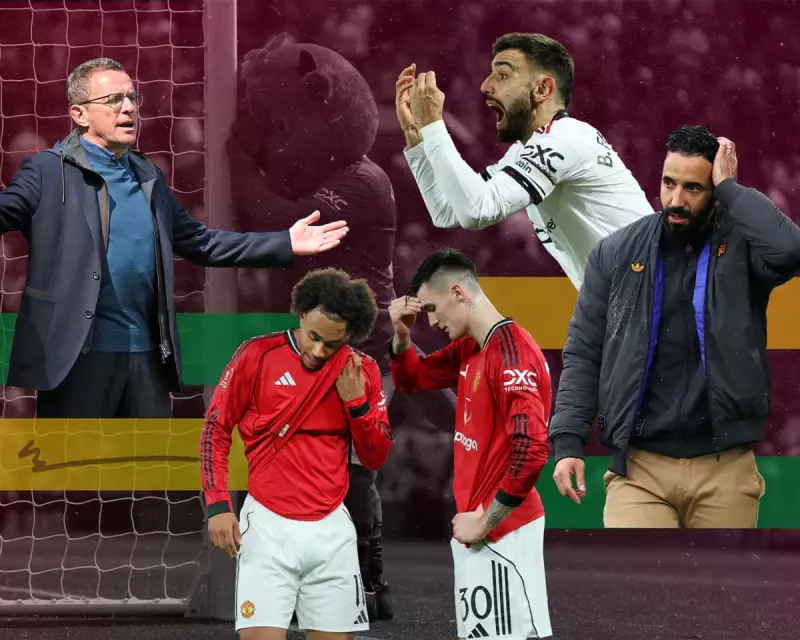
Speaking to the club's supporters reveals a depressing catalogue of potential nadirs. For some, like season-ticket holder Rick Redman, the low point was the 7-0 humiliation at Anfield against Liverpool in 2023, despite finishing above them that season. Others point to finishing 15th in the Premier League or the doomed tenure of Ralf Rangnick in 2022.
Lifelong fan James Starr identifies different crises: "Strangely, my lowest moment in recent history was either Rangnick’s tenure, which was defined by a dire run of results, or the second half of last season under Amorim. I don’t think Amorim should have been sacked."
This sentiment highlights a core issue: the constant churn in leadership and vision. David Moyes's ill-fated nine months began the trend, followed by Louis van Gaal, José Mourinho, and Erik ten Hag – all experienced managers who ultimately could not reverse the decline.
A New Era of False Dawns?
Sir Jim Ratcliffe's partial investment was heralded as the start of a new dawn, but early optimism has faded. The Glazer family remain, and key decisions have drawn scrutiny. Amorim was dismissed just months after Ratcliffe suggested he needed three years, leaving the club without an obvious succession plan.
The financial impact is acute. Missing out on the Champions League for two consecutive seasons hits the revenue of a club marketed as a global giant. On the pitch, three wins in the last 13 matches summarise the immediate challenge facing caretaker Michael Carrick.
Massive investments in players like Paul Pogba (£100m), Antony, Jadon Sancho, and Romelu Lukaku (each over £70m) have yielded little return. Meanwhile, academy graduates like Scott McTominay and Anthony Elanga have thrived after leaving Old Trafford.
As Rick Redman reflects, Ralf Rangnick's diagnosis from 2022 still rings true: "His 'open heart surgery' comments... still very much apply four years on. With the Glazers still in power it’s more like we’ve had a pacemaker fitted, at best." The upcoming Manchester derby will serve as another stark health check for a club desperately searching for a cure to its long-term malaise.