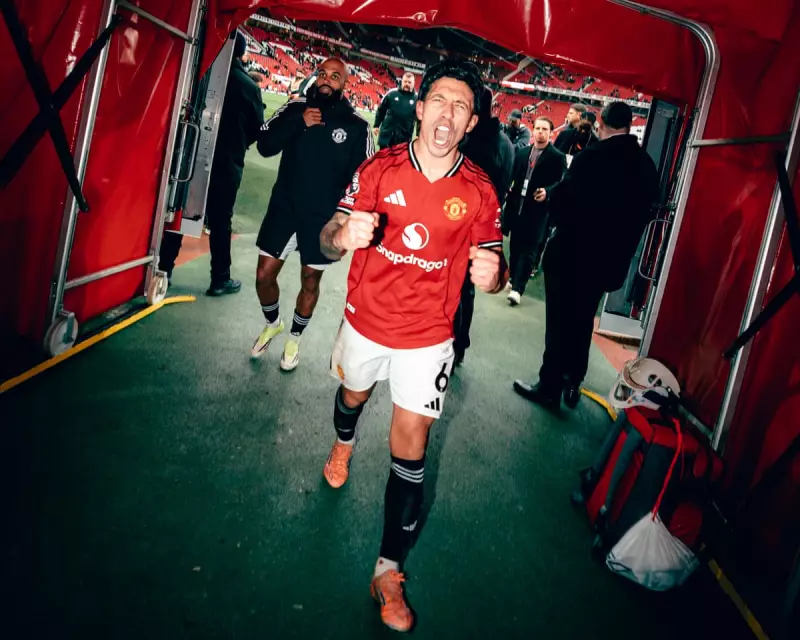
Martínez Demands Direct Dialogue Over Media Criticism
Manchester United defender Lisandro Martínez has made it clear he prefers criticism delivered directly to his face rather than through media channels. The Argentine World Cup winner's comments come in response to pre-match banter from United legends Paul Scholes and Nicky Butt on their football podcast.
The Changing Landscape of Football Commentary
Back in the 1990s, Manchester United supporters frequently complained about the number of former Liverpool players dominating television punditry roles. Today, the situation has evolved dramatically, with United fans now expressing frustration about the proliferation of their own club's former stars in media positions. The difference now being that these ex-players are often perceived as not being sufficiently biased toward their former team.
The explosion of football podcasts and 24-hour sports television has created numerous opportunities for retired professionals to share their opinions. This media saturation has reached such levels that even Paul Scholes, who maintained remarkable media silence throughout his playing career, now regularly contributes to football discussions across multiple platforms.

The Weight of Legendary Opinions
While listening to United icons like Scholes, Gary Neville, Roy Keane, Nicky Butt or Rio Ferdinand analyse their former club's performances isn't mandatory, their prominent media presence makes their views almost unavoidable for football enthusiasts. Their status as United legends often lends their opinions an authority that may not always be justified.
Journalists frequently use these former professionals' critiques when questioning struggling United managers, seeking reactionary responses. What these podcast regulars might consider casual football conversation among friends actually carries significant influence, with rumours suggesting their opinions can even affect decisions within the United boardroom.
The Manchester Derby Build-up and Aftermath
Before the recent Manchester derby, Scholes and Butt engaged in light-hearted banter about the physical mismatch between Manchester City's towering striker Erling Haaland and the comparatively diminutive Martínez. They speculated about potential humiliations the Norwegian might inflict upon the Argentine defender during the match at Old Trafford.
As events unfolded, Haaland proved largely ineffective against Martínez's marking and was substituted after 80 minutes to jeers from the crowd. The World Cup winner's defensive performance played a crucial role in neutralising one of football's most feared strikers.
Martínez's Direct Response
When asked about the pre-match comments from the former United midfielders, Martínez acknowledged their right to express opinions on their podcast but extended a personal invitation. The defender suggested Scholes and Butt visit his home to deliver any criticism directly in person rather than through media channels.
Butt responded by suggesting Martínez should "grow up," interpreting the invitation as potentially threatening despite the defender's measured tone. The former United player emphasised he wouldn't be visiting anyone's house for discussions at his age, adding that players receiving criticism need to maintain consistently high performance levels.
Scholes revealed he had attempted to contact Martínez through social media but hadn't received a response. Neither former player appeared particularly concerned about facing public criticism themselves, despite being regular contributors to media discussions about current United players.
Broader Football Context
This exchange highlights growing tensions between current professional footballers and the expanding media presence of former players turned pundits. As football commentary expands across multiple platforms, the relationship between those playing the game and those analysing it continues to evolve, sometimes creating friction between different generations of professionals.
The incident also raises questions about appropriate channels for football criticism and whether media commentary should remain separate from direct professional relationships within the sport.