Manchester United Co-Owner Jim Ratcliffe's Controversial Immigration Comments Draw Widespread Condemnation
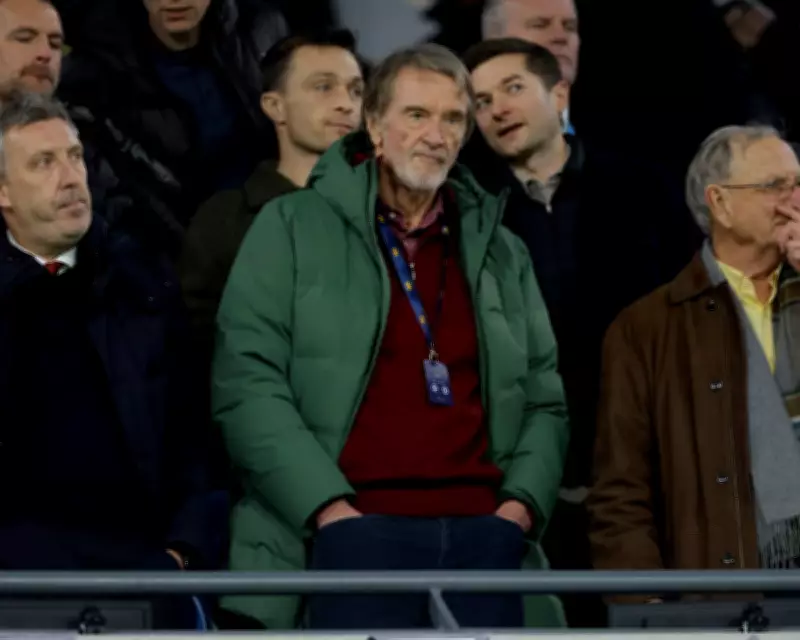
Sir Jim Ratcliffe, the billionaire co-owner of Manchester United, has ignited a firestorm of criticism following his recent interview with Sky News, where he asserted that "the UK is being colonized by immigrants." This statement, delivered to a national audience, has been widely denounced as inflammatory and divisive, sparking debates about racism, political rhetoric, and the evolving culture within professional soccer.
Ratcliffe's Remarks and the Immediate Backlash
Ratcliffe's comments, made last week, were met with swift backlash from various quarters, including fans, activists, and political figures. Manchester United quickly distanced itself from the remarks, emphasizing that they do not reflect the club's values. However, Ratcliffe's subsequent attempt to walk back his statement was perceived by many as insincere, employing a non-apology that focused on semantics rather than genuine remorse.
The billionaire's history of controversial opinions, such as his support for Brexit and previous managerial predictions, suggests a pattern of outspokenness. Yet, this latest outburst has raised particular alarm due to its overtly anti-immigrant tone. Critics argue that Ratcliffe, as a prominent figure in both business and sports, should be more mindful of the impact of his words, especially given Manchester United's diverse roster, which includes 19 non-UK players on its senior men's team.

Soccer's Drift Toward Political Toxicity
This incident is seen by many as emblematic of a broader trend in soccer toward what some commentators are calling "total Trumpism." The sport, once prized for its ability to unite people across cultural divides, is increasingly mirroring the divisive and grievance-driven politics that have characterized recent movements in the United States and elsewhere.
FIFA President Gianni Infantino's alignment with former U.S. President Donald Trump is cited as a key factor in this shift. Infantino's efforts to court Trump for the 2026 World Cup in North America have been interpreted as a strategic move to maximize profitability, but they have also normalized a style of politics marked by combativeness and a disregard for traditional norms. This has trickled down through the sport, influencing attitudes and behaviors at all levels.
The Erosion of Decorum in Soccer Culture
Historically, soccer has maintained a veneer of gentlemanly conduct, but beneath the surface, it has long grappled with issues like corruption, financial exploitation, and ethical compromises. The embrace of trends such as NFTs, despite their fleeting popularity, underscores a willingness to prioritize revenue over integrity.
Now, the sport is witnessing a rise in performative political incorrectness, where figures like Ratcliffe feel emboldened to voice extreme views without fear of significant repercussion. This reflects a wider societal erosion of common courtesies, where grievance and anger are increasingly prevalent, both on and off the field.
Implications for the Future of Soccer
The fallout from Ratcliffe's comments highlights a critical juncture for soccer. As the sport continues to globalize, its leaders must navigate the tension between commercial interests and social responsibility. The normalization of divisive rhetoric risks alienating fans and players, particularly those from immigrant backgrounds who contribute significantly to the game's richness and success.
Moving forward, it remains to be seen whether soccer can reverse this trend or if it will continue to drift further into political toxicity. The response from clubs, governing bodies, and the broader community will be crucial in shaping the sport's trajectory in an increasingly polarized world.