Senegal Pledges Legal Fight Over Overturned Africa Cup of Nations Victory
Senegal has declared its intention to appeal what it calls an "unfair, unprecedented, and unacceptable" ruling by the Confederation of African Football (CAF) that stripped the nation of its Africa Cup of Nations title. The decision, announced on Tuesday, overturned Senegal's 1-0 win in the January final against host Morocco, awarding a default 3-0 victory to Morocco instead.
Chaotic Final Leads to Controversial Forfeit
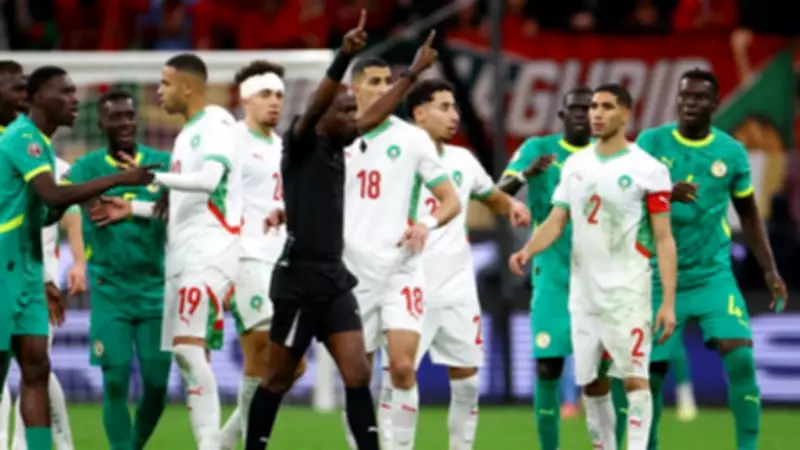
The controversy stems from the final match, where Senegal walked off the field during extra time to protest a penalty awarded to Morocco after a VAR review. Although the Senegalese team returned to the pitch and Morocco missed the penalty, CAF's appeals board ruled that Senegal had forfeited the game by leaving without the referee's permission. This ruling invokes Articles 82 and 84 of the CAF regulations, which stipulate that a team refusing to play or exiting the field without authorization results in a loss and a 3-0 win for the opponent.
Government and Federation Condemn Decision
In a strongly worded statement, the Senegalese government criticized the ruling as "grossly illegal and deeply unjust," arguing it contradicts fundamental principles of sporting ethics such as fairness, loyalty, and respect for the truth of the game. Similarly, the Senegalese Football Federation labeled the decision "unfair, unprecedented, and unacceptable," claiming it discredits African football. Both entities have pledged to pursue all legal avenues, with the federation planning to appeal to the Court of Arbitration for Sport in Lausanne, Switzerland, as soon as possible.

CAF and Moroccan Response
CAF justified its decision by referencing its tournament regulations, while the Royal Moroccan Football Federation stated that its appeal was not about challenging the teams' sporting performance but ensuring respect for the rules. However, critics point to Law 5 of the International Football Association Board, which grants referees full authority over match decisions, suggesting potential conflicts in the ruling's interpretation.
The incident has sparked widespread debate in the sports community, with many questioning the fairness and precedent of overturning a match result based on procedural violations. As Senegal prepares its legal challenge, the outcome could have significant implications for future football regulations and tournament integrity in Africa.