Champions League Format Success Comes at Potential Cost to Domestic Competitions
The dramatic overhaul of the UEFA Champions League has undoubtedly created more excitement and financial rewards for European football's governing body, but a new analysis suggests this success may be undermining competitive balance in domestic leagues across the continent.
Norwegian Underdog Highlights Format's Merits and Problems
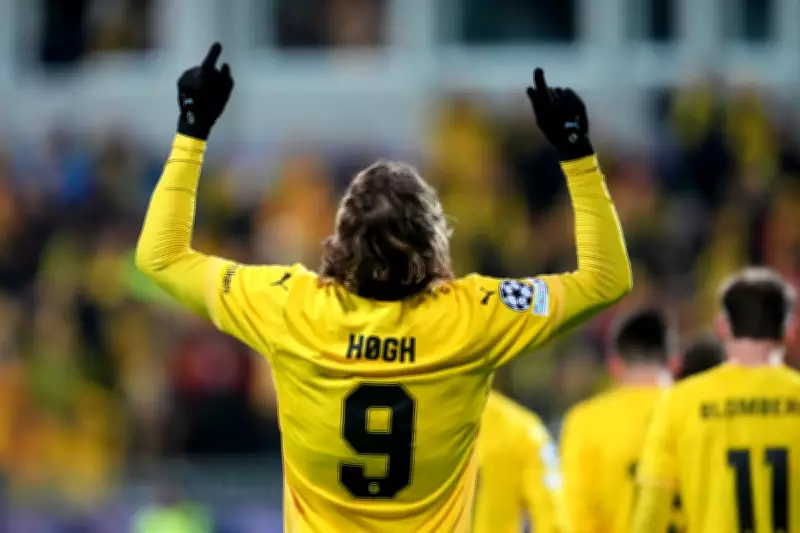
The remarkable story of Norwegian club Bodo/Glimt serves as a perfect illustration of both the benefits and potential pitfalls of the Champions League's "Swiss model" revamp. Their stunning 2-1 comeback victory against Atletico Madrid on the final matchday of the league phase propelled them to 23rd position in the 36-team table, securing qualification for the next round.
This achievement translated into an estimated €42 million (£36 million) in earnings for the Arctic Circle club - a transformative sum for an outfit operating in one of Europe's more modest football markets, though less than half what the competition's giants have generated.

UEFA's Format Changes Deliver on Multiple Fronts
The Champions League restructuring was specifically designed to increase excitement, create more rights-selling opportunities, and ultimately boost revenue. According to independent consultants Football Benchmark, the format has succeeded remarkably in all three areas.
The shift from the previous 32-team group stage to a 36-team league phase has expanded the number of matches by more than 50 percent. More importantly, it has largely eliminated the "dead rubber" problem that plagued the old format. In the final year of the previous system, 20 of 32 clubs had nothing meaningful to play for in their final group games, whereas this season only six of 36 teams knew their fate before the last matchday.
This increased jeopardy - exemplified by dramatic moments like Benfica's injury-time goalkeeper goal - has translated directly into commercial success. UEFA and the European Football Clubs umbrella body have sold Champions League media and commercial rights for approximately 30 percent more than in the previous cycle, with further increases anticipated.
Financial Windfalls Creating Domestic Imbalances
While the revenue surge benefits all participating clubs, its impact varies dramatically depending on their domestic context. For European giants like Bayern Munich, Manchester City, Liverpool, Arsenal and Chelsea, their €90 million-plus (£78 million) earnings before the knockout stage represent significant but manageable proportions of their overall revenue.
The situation differs markedly for clubs from smaller leagues. Bodo/Glimt's €42 million windfall equates to a staggering 140 percent of their operating revenue, while Qarabag's €36 million (£31 million) represents 200 percent of theirs.
Football Benchmark's report highlights the concerning implications: "This dynamic is contributing to domestic dominance, particularly in smaller leagues, where a single European campaign can alter competitive balance and entrench persistent title winners. Similar effects can also be observed in larger leagues, where repeated access to Champions League revenues reinforces long-term financial superiority."
Potential Long-Term Consequences for Football Ecosystem
The financial disparity created by Champions League participation risks creating a self-perpetuating cycle of dominance at domestic level. Clubs that regularly qualify for Europe's premier competition gain financial advantages that make them increasingly difficult to challenge in their home leagues.
This predictability could have negative commercial consequences for domestic competitions. Just as increased excitement boosted UEFA's rights deals, reduced competitiveness in leagues like Norway's or Azerbaijan's might depress the value of their sponsorship and broadcast contracts - particularly concerning given existing industry challenges.
The current situation presents European football with a complex equation: while the Champions League revamp has undoubtedly succeeded in its primary objectives, it may be creating unintended consequences that could reshape the competitive landscape of domestic football across the continent for years to come.