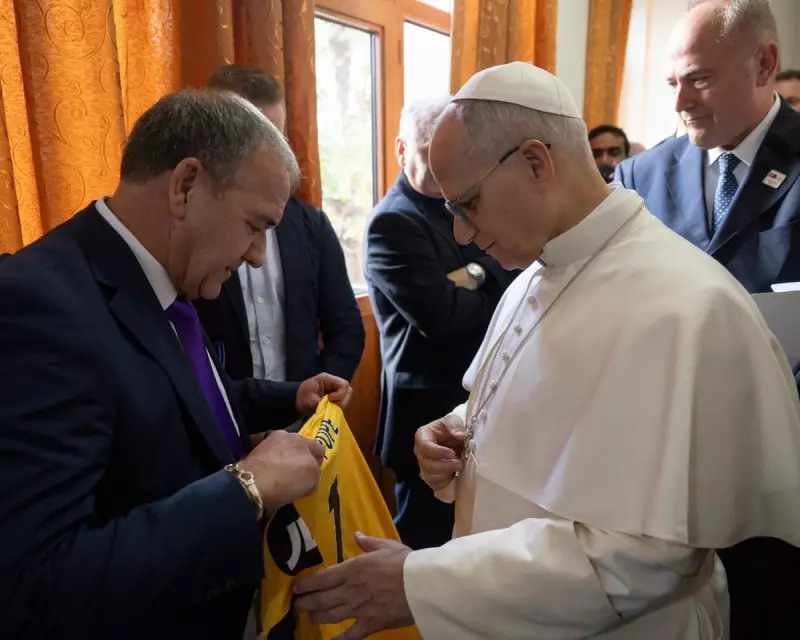
Can divine intervention influence the outcome of a Premier League football match? That is the extraordinary question raised after Wolverhampton Wanderers fan Jim Sharma met with Pope Leo in Turkey in November 2025 and presented him with a personalised Wolves shirt.
A Gift for the Pontiff and a Prayer for Wolves
The encounter, photographed in Turkey, saw Sharma hand over a shirt bearing the name "Pope" and the number one on the back. According to Sharma, a devout believer, the pontiff promised to pray for him and his struggling team. At the time, Wolves were in dire straits, threatening to eclipse Derby County's record as the worst-performing side in Premier League history.
Their fortunes, however, eventually changed. After a dismal run of form, Wolves secured a stunning 3-0 victory over West Ham United, marking their first win since the previous April. For Sharma, the connection was clear: the Pope's prayers had been answered.

The Theological Conundrum of Petitionary Prayer
This incident has ignited a fresh debate on the nature of divine intervention. Ravi Holy, a vicar from Wye in Kent and a West Ham supporter, explores the complexities in a personal reflection. While he believes in the power of prayer, he questions the idea of a God who micromanages human affairs, such as football results or the allocation of parking spaces.
"Does the boss really adjudicate parking spaces?" Holy asks. "Isn't His time better spent addressing child poverty or the conflict in the Middle East?" He references the 2003 film Bruce Almighty, starring Jim Carrey and Morgan Freeman, to illustrate the chaos that could ensue if every personal plea was granted.
Beyond Tribal Gods and the Problem of 'Our Side'
The vicar also tackles the dangerous notion of a partisan deity. Historically, the belief that "God is on our side" has fuelled conflict and division. Holy suggests a more mature faith recognises a God of all people, not just one tribe or football club.
Reflecting on his own experiences, Holy recounts praying for a specific job as a priest, only to see it go to another candidate. In hindsight, he sees his deeper prayer—for the right post at the right time—was answered, as he later found happiness in Wye. This leads him to a nuanced conclusion, citing former Archbishop of Canterbury Rowan Williams, who acknowledged the "chaotic Christian experience of intercession and unexpected outcomes."
Ultimately, while the vicar accepts that prayer can feel like it tilts situations, his theological and ethical reservations remain. He won't be praying for West Ham to avoid relegation, partly due to these complexities, and partly because, as he wryly notes, "I simply haven’t got that much faith." The debate, much like the beautiful game itself, remains full of mystery and unanswered questions.