European Football Leaders Advocate World Cup Boycott Amid Greenland Dispute
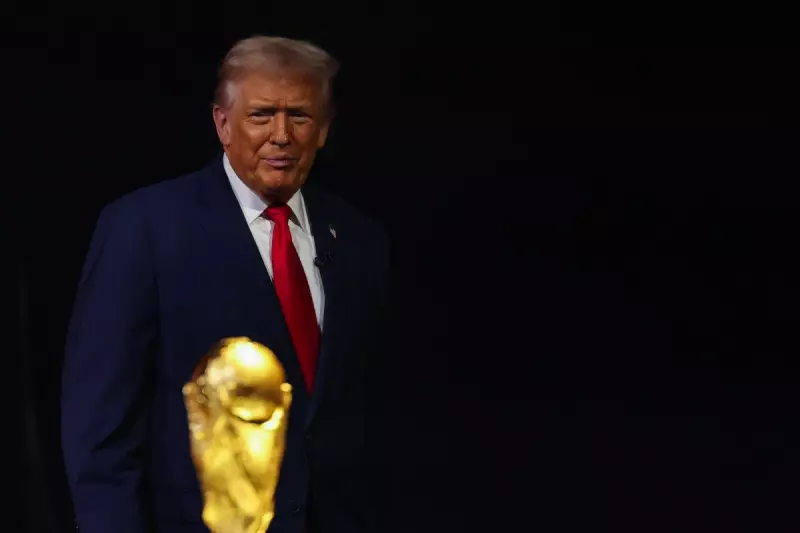
Senior football figures from Germany and France have publicly suggested that European countries should contemplate boycotting the 2026 FIFA World Cup in response to US President Donald Trump's controversial attempts to acquire Greenland. The tournament, scheduled for this summer, will be primarily hosted across the United States, with Canada and Mexico as co-hosts, featuring all knockout matches from the quarter-final stage onward.
Growing Diplomatic Tensions Overshadow Tournament Preparations
Trump's aggressive foreign policy moves, including recent immigration measures, interventions in Venezuela, and now the pursuit of Greenland, have cast a shadow over the World Cup's hosting arrangements. The US administration's actions have repeatedly prompted questions about the appropriateness of staging such a major international sporting event in the country during this period of heightened geopolitical friction.
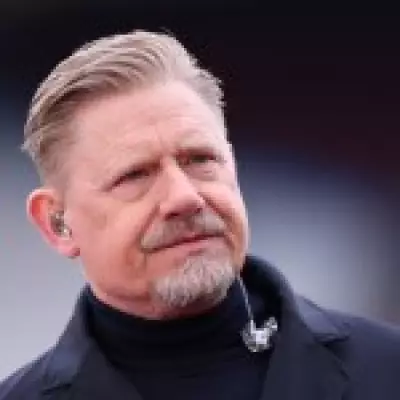
Oke Goettlich, president of Hamburg-based club St Pauli and a member of both the Bundesliga and German Football Federation executive boards, has called for an open debate on the matter. In a statement shared on the professional network LinkedIn, Goettlich argued: "The question is indeed justified as to whether Europeans should participate in a competition in a country that is indirectly, and possibly soon directly, attacking Europe."

Veteran Coach Echoes Boycott Concerns
Claude Le Roy, the experienced French football coach who has managed national teams including Senegal, Ghana, and Cameroon, along with English club Cambridge United, expressed similar reservations. Le Roy stated: "I wonder if we shouldn't call for a boycott of the 2026 World Cup, given Donald Trump's behaviour towards the continent."
The veteran coach also directed criticism toward FIFA and its president, Gianni Infantino, accusing the global football governing body of excessive compliance. Le Roy remarked that Infantino "boasts of being on his [Trump's] side," adding: "The leaders at the highest level of football no longer ever talk about football, only about money."
Escalating Tariffs and Strategic Claims
President Trump has intensified his campaign for Greenland, an autonomous territory within the Kingdom of Denmark, by imposing tariffs on the United Kingdom and seven European nations over the weekend. The US leader has threatened to more than double these tariffs if an agreement for the US to assume control of Greenland is not reached by early June.
The US government has labelled the mineral-rich territory a "strategic imperative" for national security, particularly citing its missile defence capabilities due to its geographical positioning relative to Russia and China. European leaders, including European Commission President Ursula von der Leyen, have firmly resisted Trump's demands, describing the tariffs as "a mistake" and pledging a "unflinching, united and proportional" response.
Broader Context of Entry Restrictions
This diplomatic standoff occurs against a backdrop of existing concerns about the World Cup's accessibility. Human rights organisations have previously sought assurances that international football fans would be welcome at the 2026 tournament following the United States' implementation of stricter entry regulations for numerous countries. The combination of these entry policies and the current Greenland dispute has created a perfect storm of controversy surrounding what should be a celebration of global football.