Former Williams Boss Advocates for Patience Amid F1 Regulatory Overhaul
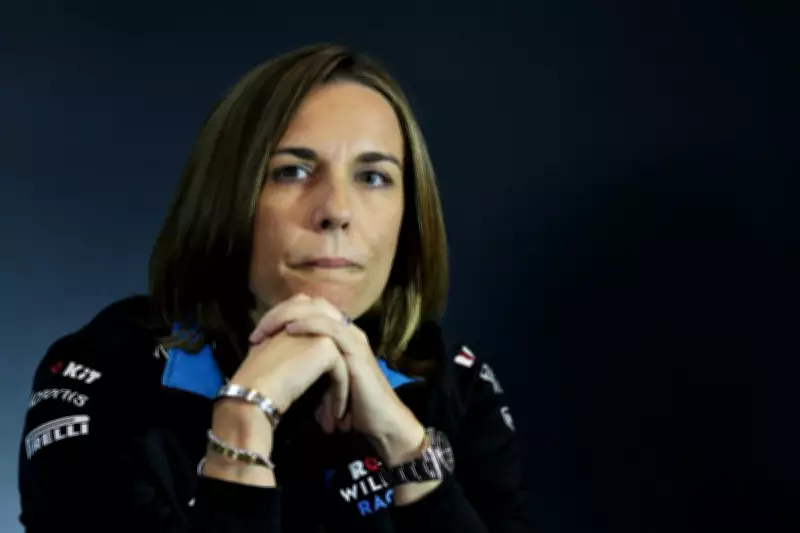
Claire Williams, the former head of Williams Racing, has publicly urged Formula 1 to allow drivers more time to adapt to the sport's most significant regulatory changes in history. In an exclusive interview with City AM, Williams emphasized that immediate reactions to new rules often lead to premature criticism before the racing community fully adjusts.
Drivers Struggle with Racing Authenticity Under New System
The sweeping regulatory overhaul introduced this season has undeniably increased overtaking during the first two Grands Prix. However, drivers have voiced concerns about the authenticity of racing, particularly highlighting the heightened emphasis on electrical energy management and battery harvesting techniques. Williams acknowledged these complaints while defending the need for a measured approach.
"In my experience," Williams told City AM, "when we've had such major upheaval in the regulations, there is always quite a lot of noise about the racing that those new regulations have produced. And that's what has happened here."

She continued: "It probably has affected the drivers more than anybody else and they're getting to grips with it. We've got to give it a bit more time to understand where this will all come out because from experience, there's always a lot of noise and then a few races in and everyone quietens down."
Behind-the-Scenes Discussions and Historical Context
Williams, who ran the Formula 1 team founded by her late father Frank Williams until the family sold their stake in 2020, revealed that significant conversations are likely occurring behind closed doors. Drawing from her tenure as team principal, she described how regulatory adjustments were typically discussed through established channels.
"In these circumstances there will be quite a few conversations going on behind the scenes," she explained. "When I was a team principal we had a strategy group and we met pretty much every Grand Prix."
Her recommendation to current F1 leadership is clear: "I think they've got to temper everything and just see how things settle down and then the sport as a whole might look at it and see if they do need to make any adjustments."
Unplanned Break Creates Opportunity for Reflection
The Formula 1 calendar now faces an unexpected four-week gap between the upcoming Japanese Grand Prix and the Miami Grand Prix in May, following the postponement of races in Bahrain and Saudi Arabia due to regional conflict. Williams noted this interval could provide an ideal opportunity for comprehensive rule evaluation.
"People in Formula 1 aren't very good at just sitting back, particularly when they had expected to be going to two races in between now and [Miami]," Williams observed. "Maybe it does provide a window for the teams and the sport and the governing body to get together and sit down and have a look at the impact of these rules."
Williams' comments highlight the delicate balance between addressing legitimate concerns and allowing sufficient time for teams and drivers to master new technical requirements. Her perspective carries particular weight given her family's legendary status in motorsport and her firsthand experience navigating previous regulatory transitions.