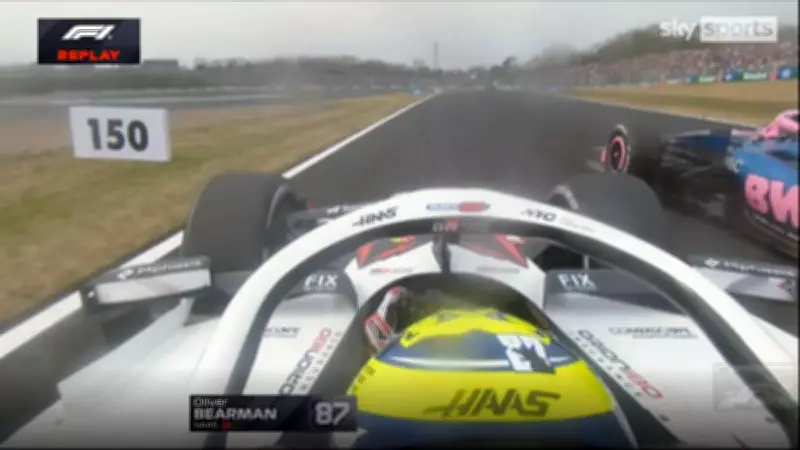
Formula 1 Drivers Confront Surge of Online Hate Messages
In a disturbing trend that has rocked the high-speed world of motorsport, several Formula 1 drivers, including Franco Colapinto, Esteban Ocon, and Oliver Bearman, have become the targets of a wave of hateful online messages. This alarming development has sparked widespread outrage across the racing community, with fans, teams, and officials uniting in condemnation of the abuse. The incidents highlight a growing concern about the toxic environment that can pervade digital spaces, even in elite sports where athletes are under intense public scrutiny.
Drivers Targeted in Coordinated Abuse Campaign
Reports indicate that the hateful messages directed at Colapinto, Ocon, and Bearman have been particularly vicious, often focusing on personal attacks rather than constructive criticism of their on-track performances. Colapinto, a rising star in the sport, has faced derogatory comments related to his background and racing style, while Ocon, a seasoned competitor, has been subjected to threats and insults that cross the line into harassment. Bearman, a promising young talent, has also encountered similar abuse, raising fears about the mental well-being of drivers who must navigate both physical and psychological pressures.
The abuse appears to be part of a broader pattern of online toxicity in Formula 1, where social media platforms have become arenas for unfiltered hostility. Experts note that the anonymity afforded by these platforms often emboldens individuals to post harmful content without accountability. This has led to calls for more robust moderation policies and greater support for athletes who find themselves in the crosshairs of such campaigns.

Community and Officials Rally Against Online Harassment
In response to the incidents, the Formula 1 community has mobilized to denounce the hateful messages and advocate for change. Team principals, fellow drivers, and racing organizations have issued statements emphasizing the need for respect and sportsmanship, both on and off the track. The Fédération Internationale de l'Automobile (FIA), the sport's governing body, has reiterated its commitment to safeguarding participants from abuse, though critics argue that current measures are insufficient to curb the problem effectively.
Fans have also played a crucial role in pushing back against the negativity, with many using social media to share messages of support for the affected drivers. Campaigns promoting positivity and inclusivity have gained traction, underscoring a collective desire to foster a healthier environment for everyone involved in the sport. However, the persistence of hateful content suggests that more proactive steps are necessary to address the root causes of such behavior.
Urgent Calls for Stricter Measures and Mental Health Support
The targeting of Colapinto, Ocon, and Bearman has amplified calls for stricter enforcement of anti-abuse policies within Formula 1 and beyond. Advocates are urging platforms like Twitter, Instagram, and Facebook to enhance their detection and removal mechanisms for harmful content, while also holding perpetrators accountable through legal avenues where possible. Additionally, there is a growing emphasis on providing mental health resources for drivers, who often face immense stress from competition and public exposure.
As the sport continues to evolve in the digital age, the need for a comprehensive strategy to combat online hate has never been more apparent. The experiences of these drivers serve as a stark reminder that the thrill of racing should not come at the cost of personal safety and dignity. Moving forward, stakeholders must collaborate to create a culture where respect prevails, ensuring that Formula 1 remains a showcase of talent and passion, free from the shadows of abuse.