The Transformative Power of the Team GB Kit
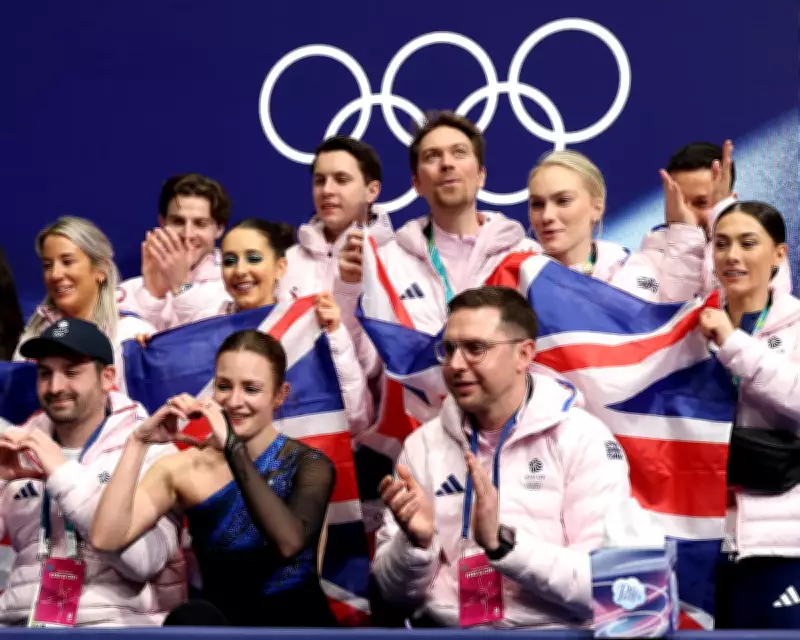
One of the most profound experiences for any British Olympian is the moment they first don the Team GB kit upon arrival at the athletes' village. This simple act marks a significant shift in identity, transforming an individual athlete into an integral part of a national team. The clothing, emblazoned with the Union Jack and the iconic Olympic rings, represents far more than mere sportswear – it becomes a powerful symbol of hope, peace, and collective purpose.
Conquering Olympic Village Loneliness
Lizzy Yarnold, Britain's double Olympic skeleton champion, recalls her initial arrival at the Sochi 2014 Winter Games with striking clarity. "I remember collapsing onto the bed with huge pride but also an overwhelming feeling of loneliness," she reveals. "There was emotional relief at finally reaching the Games, but also that daunting question of 'what do I do now?'" This isolation, however, proved temporary as Team GB's innovative approach to community building quickly took effect.
The team implemented a simple yet effective system where each day was designated a specific colour for all athletes' clothing – blue T-shirt day, followed by red and white. In the communal areas of the athletes' village, this created an immediate visual connection between every British competitor. This colour-coordinated approach helped athletes transition from feeling overwhelmed to developing focused, competitive mindsets.

The Pinnacle of Sporting Achievement
The current Winter Olympics atmosphere in Cortina and Livigno demonstrates why these Games represent the absolute peak of athletic endeavour. From the colossal Big Air jump structure dominating the landscape to the excitement of the Olympic torch relay passing through towns with blue flashing lights, the event generates an unmistakable buzz. For competitors, this environment demands complete focus and the elimination of distractions to perform at their maximum potential.
Equipment Controversies and Athletic Focus
Recent discussions about potential bans on Team GB's new aerodynamic skeleton helmets have raised questions about equipment advantages. Yarnold remains unconcerned, noting that "Team GB are already the best in the world without the new helmet." She points to favourites like Matt Weston and Marcus Wyatt as evidence that British skeleton athletes' success stems from talent and preparation rather than equipment alone.
"The rules are loose with their wording for this helmet and there are no diagrams or measurements in the regulations," Yarnold observes, highlighting how British Skeleton's innovation in aerodynamic design represents normal progression in high-performance sports. She recalls similar debates about custom-made aerodynamic suits before the 2018 Olympics, noting that she doesn't even remember whether she used those new suits during her gold-medal runs.
Extraordinary Resilience in the Face of Adversity
The journey to Olympic competition frequently involves overcoming significant physical challenges. American skiing legend Lindsey Vonn provides a remarkable example, planning to compete in downhill skiing despite completely rupturing an anterior cruciate ligament. At 41 years old, Vonn's decision to tackle an Olympic course with a knee brace demonstrates extraordinary determination, particularly following the loss of her mother in 2022.
Personal Battles with Injury and Illness
Yarnold's own experience before her second Olympics in 2018 involved multiple health challenges that would have ended many athletes' campaigns:
- A mysterious knee lump initially suspected to be a tumour (later confirmed benign)
- A severe chest infection in Pyeongchang's -20°C conditions
- Vestibular issues affecting balance due to earlier ear damage
"On the first day of the race, I was coughing up huge lumps of rock-hard phlegm," Yarnold recalls. "Instead of warming up, I'd go to the little room next door and shove my head under a towel and some steam." The vestibular problems proved particularly dangerous during competition, causing dizziness and occasional blackouts while travelling at 90mph down the skeleton track.

The Essence of Olympic Spirit
These stories of perseverance highlight the fundamental resilience required at elite sporting levels. Athletes develop this resilience through responding to failures and building self-belief over years of dedicated training. While winter sports often appear dangerous to spectators, competitors approach them as professionals executing their craft through daily repetition and refinement.
Ultimately, the Olympic experience transcends individual achievement. The sense of belonging fostered by Team GB's community initiatives, combined with athletes' remarkable capacity to overcome physical adversity, creates moments of genuine human triumph. As the Games continue, the hope remains that all competitors can participate safely in a fair environment, free from concerns about doping or political interference, allowing their extraordinary talents to shine on the world's biggest sporting stage.