Paris Paradox: Did Borthwick Liberate England or Was It Player Power?
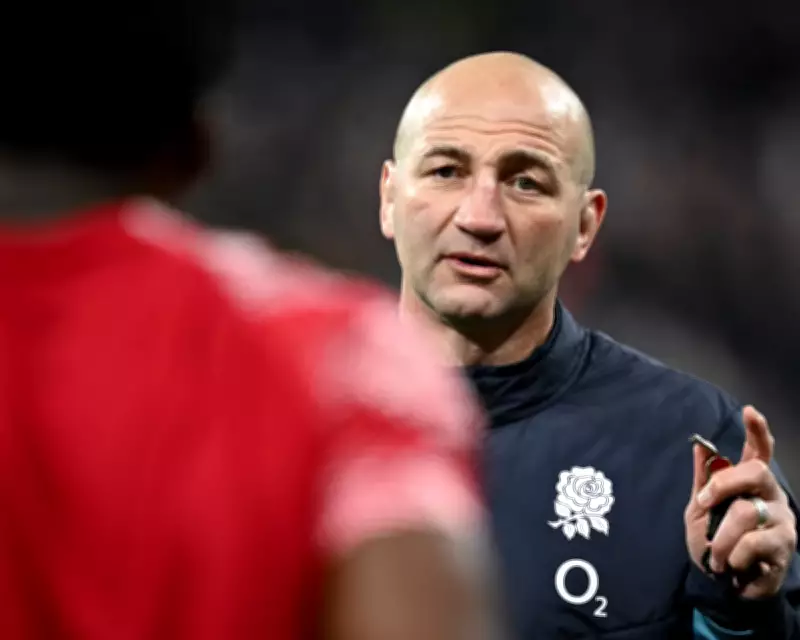
Steve Borthwick retains backing within the England rugby team, yet significant questions persist regarding his authority as head coach. Despite a dramatic upswing in performance during England's recent match against France, fundamental concerns remain about what went wrong throughout the Six Nations championship.
The Fundamental Question Facing RFU Review
Did England play with such renewed vigor because of Steve Borthwick's coaching, or in spite of it? This represents the essential question that Bill Sweeney and the Rugby Football Union review panel must address in their upcoming assessment. The RFU appears determined to establish what caused England's disappointing Six Nations campaign, which still stands as their worst-ever championship performance despite the Paris improvement.
The review panel will include input from Sweeney, Conor O'Shea, and external anonymous contributors. Early indications suggest the RFU will not be blinded by the razzle-dazzle of the Paris performance and that Borthwick still has significant questions to answer regarding England's overall campaign.

Analyzing England's Paris Transformation
If Borthwick instigated England's transformed approach against France, it raises uncomfortable questions about why it took until the fifth round of the Six Nations for England to perform in a manner that captivated supporters. Strategic adjustments for different opponents are expected, but England appeared completely unrecognizable in both outlook and approach during their Paris match compared to earlier performances.
Alternatively, if the players themselves initiated the change in approach, this hints at potential questioning of Borthwick's authority within the squad. While no evidence of mutiny has emerged from the camp, there exists a meaningful distinction between outright revolt and players taking increased responsibility for performance.
Player Perspectives and Team Dynamics
Hooker Jamie George emphasized team unity following England's loss to France, stating: "It would have been so easy for us to splinter off, and I've been part of many teams that have, and there's been whispers in corridors and there's been doubts about gameplan and personnel. Honestly, there has been none of it."
George further highlighted the team's togetherness as a significant strength, noting: "Our togetherness has been a huge strength of the team for 12 plus months." However, the RFU review must rigorously ascertain players' genuine perspectives on Borthwick's coaching methods and leadership approach.
The Emotional Catalyst Question
A pressing issue for the review panel involves understanding why England frequently requires their backs against the wall to produce performances like Saturday's. Ollie Chessum's outstanding performance against France followed a week of intense focus and a pre-match address to the squad. His furious celebration after scoring his first try demonstrated the passion and intensity that characterized England's Paris display.
This pattern raises questions about whether Borthwick and his coaching staff struggle to press the right emotional buttons consistently, or whether it reflects deeper issues within English rugby culture. The problem of inconsistent performance levels predates Borthwick's tenure, suggesting potential systemic challenges.
Cultural Considerations and Future Direction
England's performance against France demonstrated a willingness to fight for a collective cause amid feelings of being chastised and underestimated. This contrasts with earlier Six Nations matches against Scotland and Ireland, where England appeared less unified and less motivated.
George defended the current setup, stating: "It's an excellent programme as a whole. Honestly, the togetherness and how tight we have been over this period of time is the biggest indicator that the right people are in the room." Nevertheless, the RFU must determine whether England's current environment can consistently produce performances like the Paris display or whether fundamental changes are required.

The review panel faces the complex task of separating temporary emotional responses from sustainable coaching strategies as they evaluate Borthwick's leadership and England's future direction.