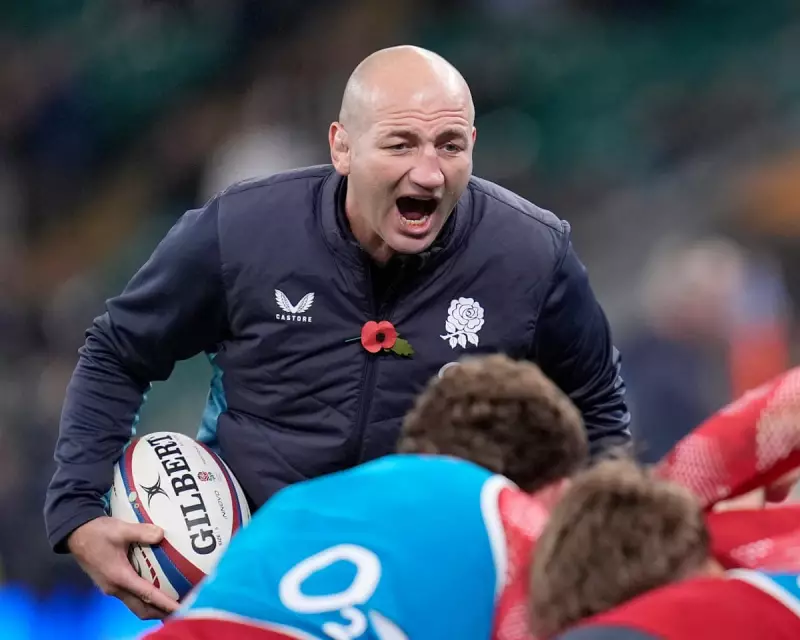
Borthwick's Settled England Approach Contrasts with Galthié's French Revolution
As Steve Borthwick prepares to announce his England squad for the upcoming Six Nations championship this Friday, the atmosphere surrounding the selection stands in stark contrast to the seismic shockwaves emanating from across the Channel. While French head coach Fabien Galthié has sent tremors through the rugby world with his audacious omission of established stars like Damian Penaud, Grégory Alldritt, and Gaël Fickou, Borthwick approaches his squad announcement from a position of remarkable stability and strength.
A Foundation of Consistency
The England head coach is currently enjoying an impressive run of eleven consecutive victories with the national side, creating a selection environment markedly different from the turbulent waters navigated by his French counterpart. Borthwick's anticipated squad is expected to contain few genuine surprises, reflecting not a lack of imagination but rather the benefits of a settled, coherent system that has delivered consistent results. This represents a significant departure from the more volatile selection policies of previous regimes.
Unlike his predecessor Eddie Jones, who frequently delighted in springing selection surprises and keeping players in a state of calculated discomfort, Borthwick has cultivated an environment of clarity and predictability. His depth charts are well-established, with clear pathways for emerging talent without the need for dramatic, headline-grabbing exclusions. The resurrection of the England A side has further solidified this structured approach to player development and selection.

Strategic Advantages in Squad Building
Borthwick benefits from several strategic advantages that have simplified his selection dilemmas. The post-World Cup exodus of experienced players to French clubs, including the Vunipola brothers, Manu Tuilagi, and Owen Farrell, has naturally phased out senior figures without requiring difficult conversations or disruptive squad transitions. This contrasts sharply with Jones's challenging task in 2018 of managing the departures of Chris Robshaw, James Haskell, and other established names while maintaining squad harmony.
The England coach can now look clearly toward the 2027 World Cup in Australia with a squad largely composed of players who will form the backbone of that campaign. While he faces some injury concerns with players like Fin Smith, Tom Roebuck, and Fin Baxter, and must address the tighthead prop position where Joe Heyes showed significant improvement during the autumn internationals, there are no major transitional challenges clouding the selection horizon.
Bold Selection Within a Stable Framework
This stability should not be mistaken for conservatism. Borthwick has demonstrated his willingness to make bold calls when circumstances warrant, most notably with his autumn selection of nineteen-year-old Noah Caluori following the Saracens winger's five-try debut in the Premiership. Such selections, however, occur within a framework of strategic planning rather than as attention-seeking gestures.
The anticipated inclusion of uncapped Exeter Chiefs flanker Greg Fisilau, rewarding his outstanding club form, represents exactly the kind of measured progression that characterises Borthwick's selection philosophy. These are calculated additions to a settled core rather than radical departures from established patterns.
Contrasting Philosophies, Different Challenges
While Galthié's radical French overhaul has generated enormous media attention and debate, Borthwick's more measured approach reflects his different circumstances and philosophical preferences. The England coach values consistency, clear communication, and strategic planning over the dramatic flourishes that characterised previous regimes. His squad announcement may generate less immediate excitement than Jones's sometimes theatrical revelations, but it represents a coherent vision building toward the 2027 World Cup.

This contrast between English stability and French revolution sets up a fascinating subplot for the upcoming Six Nations championship. As Borthwick names his squad from a position of strength built on eleven consecutive victories, he presents a selection philosophy that prioritises continuity and strategic development over short-term sensationalism – an approach that, while perhaps less dramatic, provides enviable foundations for sustained success.