England's Spirited Defeat Against France Offers Hope for Borthwick's Future
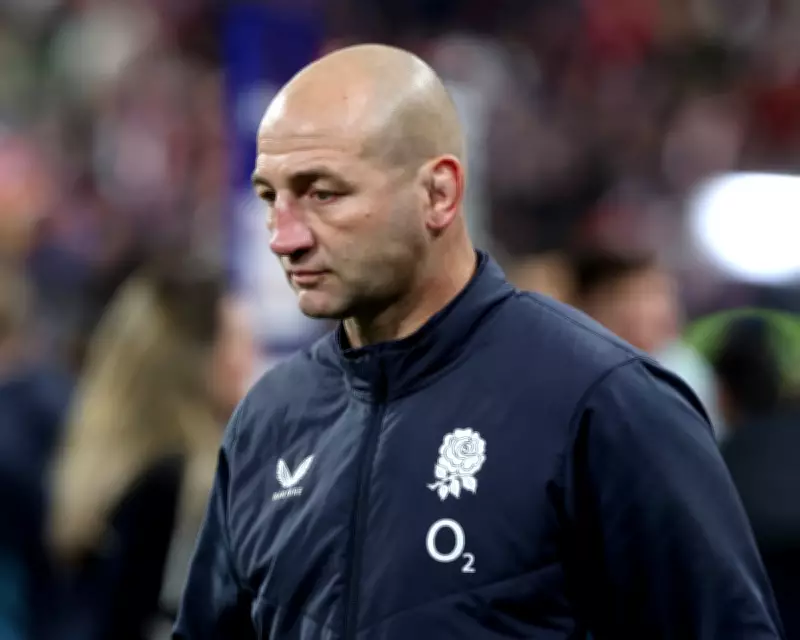
Steve Borthwick appeared dejected at the final whistle, but England's display of immense character and fighting spirit against France has secured his position as head coach, at least for the immediate future. The ledger officially records another agonizing defeat, yet this performance brimmed with positives that must serve as a blueprint moving forward if this is to become the turning point in Borthwick's tenure.
A Performance That Signposts the Way Forward
Just as Borthwick was reaching for his coat, he finally has something substantial to hang his hat on. The match featured moments of naivety and numerous mistakes, yet it was carried out with a swagger that leaves observers questioning why England do not consistently play with such ambition and verve. Around thirty minutes before kickoff in this bonkers Six Nations finale, during an equally mind-boggling and gloriously French pre-match spectacle, two white horses cantered down the pitch, hitched up on their hind legs, and galloped away to opposite ends of the stadium.
This symbolic moment seemed to foreshadow the dramatic contest that would unfold. Picking the bones out of this thrilling encounter is no simple task, but several clear conclusions emerge. Borthwick will not be facing dismissal in the morning. Thomas Ramos, whose last-gasp penalty secured France's victory, will likely still be celebrating as readers awaken. Most importantly, despite suffering defeat in crushing circumstances, England have finally stirred from their prolonged slumber.

The England Way Finally Emerges
There has been considerable discussion about the England way throughout the tournament. Players referenced it without precisely defining its meaning, but if this performance represents it, then it must be bottled and preserved forever. The concern now is that Borthwick and his extensive team of analysts might pore over the mistakes and conclude that narrowing their tactical horizons represents the safest path forward.
If that proves to be the case, then the analytical laptops should be discarded immediately. This match represented a significant strategic shift from Borthwick, coming after his players had insisted they would double down on their kicking game. The sense of opportunity that emerges if Borthwick maintains this ambitious gameplan generates genuine optimism, though it remains a substantial if.
Itoje's Leadership and the Question of Character
A statement away victory still eludes Borthwick, but he has arguably gained something more significant, provided he continues in this vein. He now commands a group of players who are evidently still playing for him, and doing so in remarkable fashion when granted the freedom to express themselves. The shackles have been removed and should be cast into the sea permanently.
It feels desperately harsh that Maro Itoje conceded the decisive penalty at the death, even though France were already playing with advantage, because England's captain dominated this contest like a titan. Itoje has been running on fumes throughout the tournament, physically drained from excessive rugby and emotionally drained while grieving his late mother, yet this performance represented a powerful statement from the skipper.
He made another significant statement before the match when he insisted that demonstrating character mattered most against France. Not becoming bogged down in the minutiae that modern players are overloaded with, but showing genuine backbone. This felt tantamount to an ultimatum from Itoje, and the worry was that failure to respond would spell the end for Borthwick.
Defining and Demonstrating Character
Itoje used the term character quite deliberately, as he always watches his words carefully. The Cambridge dictionary offers multiple definitions, but two align perfectly with what Itoje demanded: the quality of being determined and able to deal with difficult situations and moral excellence and firmness. Synonyms include courage, integrity, and spirit.

These qualities accurately summarize what Itoje sought to invoke in his team and what had been conspicuously absent in England's previous matches. Most notably, there had been a consistent failure to handle difficult situations: against Scotland in the opening twenty minutes, against Ireland in the first half hour, and during the final quarter against Italy. An inability to weather storms, stay in fights, or ride the wave as Itoje described it.
To their immense credit, England wore every punch France threw at them and came back for more repeatedly until Ramos's last-gasp penalty, ultimately defeated by the clock rather than a lack of spirit.
Questions That Demand Answers
Why has it taken until the final round of the Six Nations for England to demonstrate their true capabilities? Why do they require stinging criticism to provoke them into action? These are questions for which Borthwick must find adequate answers, because this performance cannot remain a one-off occurrence.
If the tactical straitjackets reappear against South Africa in July, the criticism will return sharper than ever. The tournament record still reads played five, lost four, a statistic that requires serious accounting. Discipline proved costly once again, and much like this fixture two years ago, England return home from a bruising championship, their worst ever, to reflect on what might have been.
Ultimately, however, England's demonstration of character ensured that the other two symbolic horsemen never materialized. Borthwick has avoided the apocalypse for now, but the real work of building upon this foundation begins immediately.