Australian Open Implements Heat Mitigation as Temperatures Soar
The Australian Open in Melbourne is confronting a significant operational challenge as temperatures are forecast to exceed 40 degrees Celsius on Tuesday. While the tournament has developed robust measures to protect players and maintain play, the extreme heat is expected to substantially impact crowd numbers and on-site revenue.
Attendance and Revenue Impacts from Scorching Conditions
Tournament organisers are anticipating a notable decline in spectator attendance due to the widely publicised Victorian heatwave. This follows a noticeable drop observed during Saturday's sessions, where daytime attendance reached 51,048 spectators – representing a reduction of more than 10,000 visitors compared to adjacent days. Ground pass sales have been particularly sluggish, with security queues appearing unusually sparse shortly after gates opened at 9am.
Those spectators who do brave the conditions are planning significantly shorter visits to Melbourne Park. The precinct remained largely deserted when play resumed around 7pm on Saturday, leaving food and beverage vendors with unexpectedly quiet dinner periods that would typically represent peak trading hours.

Infrastructure Protection and Commercial Continuity
The tournament's major commercial commitments remain secure thanks to Melbourne Park's sophisticated infrastructure. Three primary arenas – including the iconic Rod Laver Arena – feature retractable roofs and comprehensive air conditioning systems. When officials implement the extreme heat protocol and close these roofs, interior temperatures can be maintained below 30 degrees Celsius, ensuring play continues uninterrupted and broadcast, sponsorship, and ticketing obligations are fulfilled.
Despite the anticipated revenue reduction from lower ticket sales and diminished food and beverage spending – potentially amounting to approximately one million dollars – the tournament remains on course to break overall attendance and revenue records. Tennis Australia maintains insurance coverage for major interruptions, though Tuesday's expected downturn falls below the threshold for making a claim.
Spectator Adaptation and Tournament Adjustments
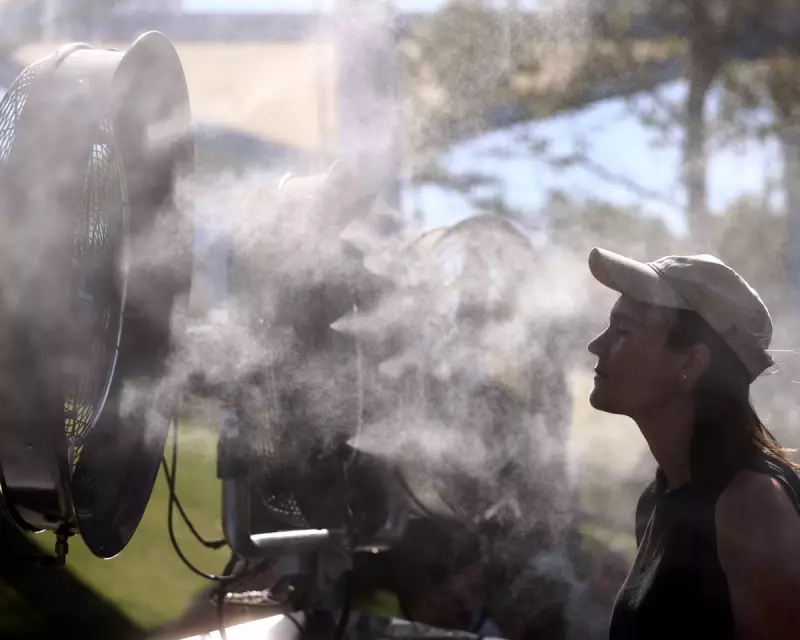
Attendees are employing various strategies to manage the challenging conditions. Yarra Jones, a 20-year-old Melbourne resident, explained her approach: "We just figured we'll come for only a few hours and then we can leave when it gets too hot." She and her friend planned to utilise misting stations and air-conditioned areas around the main arenas during their abbreviated visit.
Michael and Marion Coghlan, who travelled from Sydney specifically for the tournament, prepared meticulously for their Tuesday session at Rod Laver Arena. "We prepared a lot last night, we got some water and put it in the fridge and froze that a bit, got some other food to save us going in and out, and we're prepared just to stay in Rod Laver Arena for the day," Michael explained. The couple specifically selected shaded seating and even brought jumpers anticipating the arena's air conditioning.
Proactive Measures and Environmental Initiatives
Tournament officials have implemented several adjustments to mitigate heat effects, including delaying the wheelchair tennis draw start time and permitting ground pass holders access to Margaret Court Arena. Additional protections for ball kids include reduced rotation schedules, extended recovery periods, and access to an air-conditioned lounge with electrolyte-enhanced icy poles.
A Tennis Australia spokesperson emphasised ongoing improvements to enhance spectator comfort during extreme weather: "Increasing shade across the precinct is a priority – we add more and more shade every year." This year's enhancements include expanded shade coverage on Grand Slam Oval, a substantial shade structure between the courtside bar and ANZ Arena, and a new elevated viewing platform with shading for outside courts.
The tournament continues to advance its environmental sustainability programme, with more than one-third of its 120-vehicle fleet now fully electric and the remainder operating as hybrids. Five additional electric vehicles joined the fleet this year, and the event proudly operates using 100% renewable electricity products.