Unexpected Alpine Traditions in the Italian Dolomites
When planning a ski holiday to the majestic Italian Dolomites, I anticipated breathtaking slopes and cozy mountain lodges. What I did not expect was to find myself naked in a bath of hay with a stranger overseeing the entire process. This centuries-old practice, while touted for its health benefits, proved to be an intensely uncomfortable experience that left me itching and grateful not to suffer from hay fever.
The Ancient Practice of Hay Bathing
Hay baths have been documented in the Dolomites since at least 1864, when English travelers Gilbert and Churchill mentioned them in their travel guide. The Heubad Hotel near Bolzano has been offering this traditional treatment for over a century, using hay grown on the region's famously fertile mountainsides.
According to South Tyrol's hay bath specialists, this herbal immersion offers numerous benefits including relief from rheumatism and general aches, immune system boosting, improved circulation, weight loss assistance, and overall revitalization. While these claims sound impressive, the reality involves being tightly wrapped in herb-enriched grasses that border on excruciating discomfort.

Modern Wellness Alternatives in the Mountains
Thankfully, the Dolomites offer more conventional spa experiences for those seeking relaxation. My first night was spent at the four-star Tratterhof Mountain Sky Hotel, which features an impressive wellness area with eight saunas, two infinity pools, and the highlight—a private jacuzzi on my room's balcony overlooking the twinkling night sky.
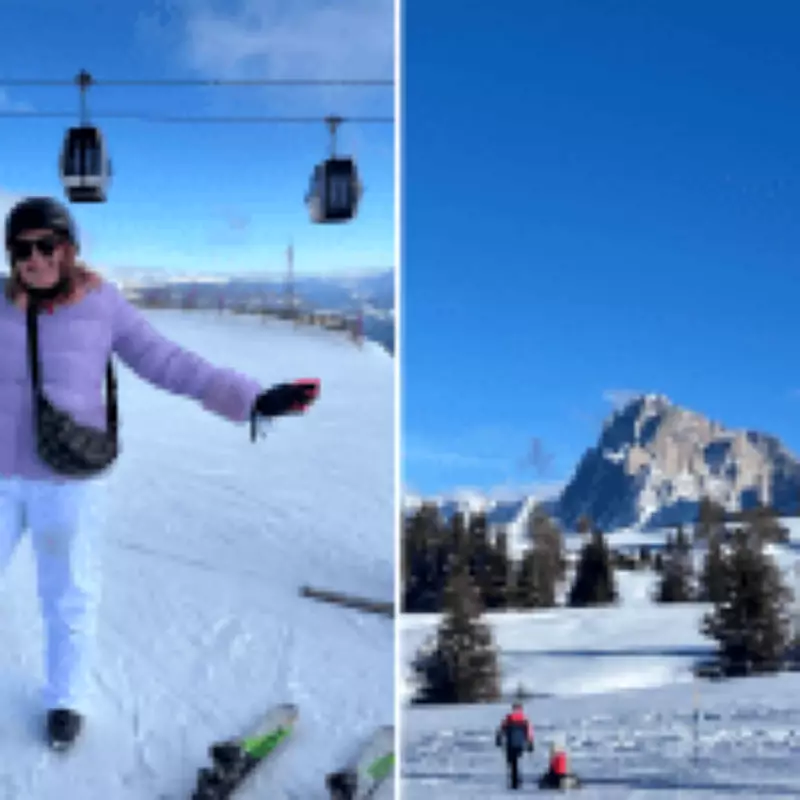
After proper rest and rejuvenation, it was time to experience what brought me to the Dolomites in the first place: the legendary skiing.
Skiing Terrain for Every Ability Level
The Gitschberg Jochtal resort offers approximately 25 runs served by 15 lifts, providing excellent terrain for skiers of all skill levels. Val Gardena boasts over 500 kilometers of ski terrain with plenty of beginner-friendly blue slopes (Italy doesn't use the green slope designation common elsewhere in Europe), ensuring novices won't accidentally find themselves on challenging black routes.
The Dolomiti Superski area connects 12 different resorts with a universal ski pass, allowing visitors to explore multiple locations during their stay. Advanced skiers can test themselves on The Legendary 8 slopes, each with unique historical significance. These include Cir, the route used during the 1970 Alpine World Ski Championships, and Bravo, known affectionately as the 'romantic slope.'
For those seeking an endurance challenge, the Sellaronda circuit spans approximately 40 kilometers (just over 24 miles) through four different ski areas, typically requiring about six hours to complete. Having skied previously in Austria and France, I found the Italian Dolomites offered a superior experience that reminded me Italy deserves recognition as a premier winter destination, not just a summer getaway.
Surprisingly Affordable Mountain Dining
One of the most pleasant surprises was the reasonable pricing for slope-side dining. Unlike my experiences in France where I often packed sandwiches to avoid exorbitant prices for mediocre food, the Dolomites offered excellent value. At the Gitschhütte mountain hut, traditional Tyrolian dishes like Knödel—bread dumplings stuffed with spinach and cheese—cost about €12, while refreshing Aperol Spritzes were available for approximately €5.
A local dining tip: it's considered rude to eat Knödel with a knife, as chefs interpret this as criticism that the dumplings weren't cooked properly.
Evening Culinary Delights
Dinner at Hotel Schgaguler showcased another dimension of Dolomites cuisine with local specialties including potato gnocchi and braised lamb loin, finished with a delightful hazelnut plumcake. The evening concluded with a mini wine tasting session guided by local sommelier Sandra, featuring earthy reds and zesty whites from the region.
As I retired each evening with a full belly and tired legs, I reflected on how much the Dolomites offer beyond its snow-dusted slopes—from ancient wellness traditions to surprisingly affordable gourmet experiences. While I plan to return to these magnificent mountains, I'll be skipping the hay baths on my next visit.

Practical Information for Your Dolomites Adventure
SkyAlps operates flights three times weekly from London Gatwick to Bolzano, with return fares starting at approximately £273. Accommodation options include the Tratterhof Mountain Sky Hotel with rooms from £126 per night and Hotel Schgaguler starting at £303 per night. The Dolomiti Superski Pass begins at around £67 per day, providing access to all 12 interconnected resorts.