Ukrainian Para-Biathlete Credits ChatGPT for Paralympic Silver Medal Success
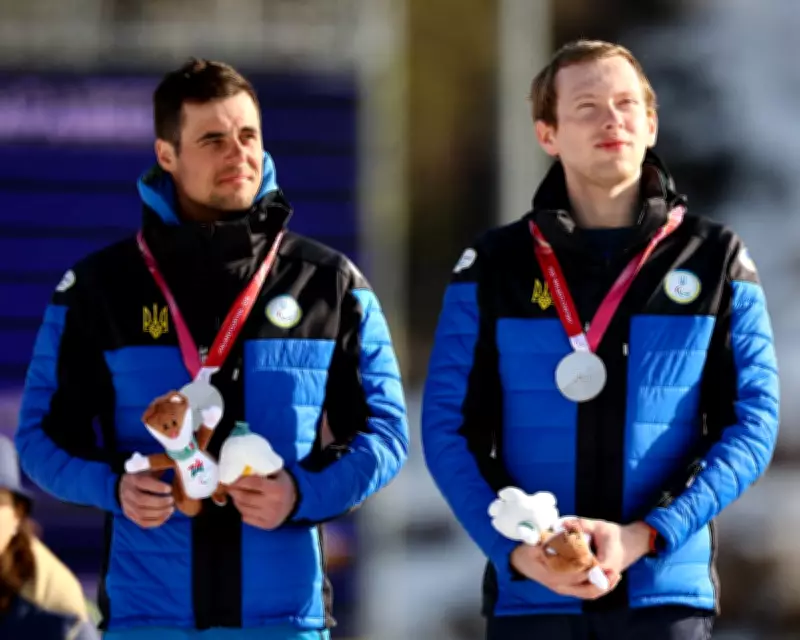
In a groundbreaking development at the Winter Paralympics, Ukrainian athlete Maksym Murashkovskyi has revealed his unconventional training secret: using ChatGPT as his primary coach. The visually impaired biathlete secured a silver medal on Sunday, attributing much of his success to six months of artificial intelligence-guided preparation.
AI-Powered Training Regimen
Murashkovskyi, competing alongside guide Vitaliy Trush, demonstrated remarkable precision by not missing a single shot during his silver medal performance. The 25-year-old athlete disclosed that OpenAI's large language model had become integral to his training program, serving multiple roles beyond traditional coaching.
"For the past six months, I have been training with ChatGPT," Murashkovskyi explained after his victory. "It was not only tactics. It was half of my training plan, motivation, etcetera. So it was a huge volume of all of my training. I used it as a psychologist, coach and, sometimes, as a doctor."

Revolutionary Approach to Athletic Preparation
The Ukrainian para-biathlete described his AI-assisted training as "revolutionary" technology that has fundamentally changed his approach to competition preparation. He emphasized that ChatGPT had effectively replaced what he termed "classical" training methods conducted with human coaches.
Murashkovskyi's calm demeanor following his second-place finish in only his second Paralympic race was particularly noteworthy. "I know it sounds strange, but I have been preparing for this race for many years, so it is what it is," he remarked, though he declined to specify how much of his composure resulted from AI guidance.
Broader Applications and Ethical Considerations
The athlete acknowledged the dual-use nature of artificial intelligence technology, referencing its military applications in the ongoing conflict in Ukraine. "Unfortunately, you see it in the military sphere too, and in bad spheres," he observed. "But it's like with chemistry or biology, someone can use it for something good, someone can use it for something bad. I use it for learning, for languages, for some of my projects, in chemistry, biology and sports."
Team Ukraine's Paralympic Performance
Murashkovskyi's achievement contributes to Ukraine's strong showing at the Winter Paralympics, where the team currently stands second in the medal table after three days of competition. The nation has accumulated ten medals thus far, demonstrating remarkable resilience and competitive spirit.
The silver medalist will return to competition on Tuesday for the visually impaired cross-country skiing event. This competition will feature two of Russia's six invited athletes, though they will participate in different classifications at the Tesero cross-country arena.
Implications for Future Athletic Training
This unprecedented use of artificial intelligence in elite Paralympic training raises significant questions about the future of sports coaching and athlete development. Murashkovskyi's success suggests potential applications for AI in:
- Personalized training program development
- Psychological preparation and mental conditioning
- Injury prevention and health management
- Technical and tactical analysis
The integration of large language models into athletic preparation represents a potentially transformative shift in how athletes approach training, particularly for those with disabilities who may face unique challenges in accessing specialized coaching resources.