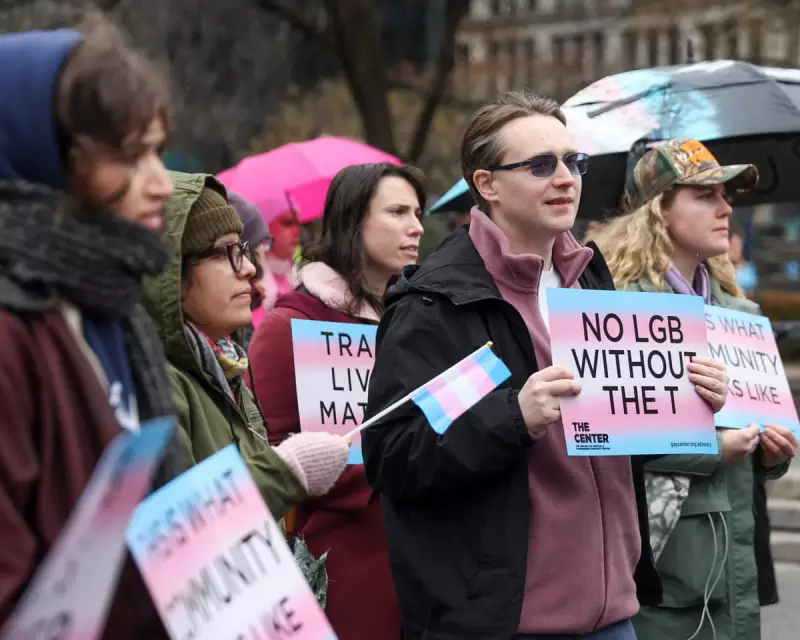
The US Supreme Court has begun hearing arguments in a landmark legal battle that will determine the future of state laws barring transgender athletes from participating in school sports. The cases, heard on Tuesday, challenge Republican-backed legislation in Idaho and West Virginia and carry profound implications for civil rights across the United States.
The Cases at the Heart of the Debate
Oral arguments focused on two specific lawsuits. The first, West Virginia v BPJ, involves 15-year-old Becky Pepper-Jackson, a transgender girl who sued the state over its 2021 law that prevented her from joining the girls' track team. Although a federal court initially blocked the enforcement of this ban, West Virginia's subsequent appeal has now brought the matter before the nation's highest court.
The second case, Little v Hecox, centres on Lindsay Hecox, a transgender college student who sought to overturn Idaho's 2020 law, which was the first in the nation to categorically ban transgender women and girls from women's sports teams. While Hecox has since moved to have her case dismissed, citing her current non-participation in college sports and a desire to avoid further harassment, the Supreme Court has proceeded with the hearing.

A Nationwide Patchwork of Restrictions
The outcome of these cases is being closely watched, as they could set a precedent affecting legislation far beyond these two states. To date, twenty-seven US states have enacted laws restricting transgender young people's access to school sports. The majority of these specifically target transgender girls, though some apply to all transgender youth.
Proponents of the bans argue they are essential to ensure fairness and safety in women's sports. Conversely, transgender rights advocates and many medical bodies assert that the laws are discriminatory and lack a basis in credible evidence, maintaining that inclusive sports policies do not endanger cisgender girls and women.
Far-Reaching Implications for Civil Rights
Legal experts warn that a ruling against the transgender athletes could significantly erode key protections not only for transgender youth but for the broader LGBTQ+ community. The Supreme Court's decision is expected to clarify the extent of civil rights safeguards under federal law, potentially influencing future legislation and legal challenges concerning gender identity and equality.
As the justices deliberate, campaigners from both sides of the debate gathered outside the court, highlighting the deep national divide on this issue. The final rulings, expected later in the year, will undoubtedly shape the landscape of school sports and civil rights in America for generations to come.