Sarah Mullally Installed as First Female Archbishop of Canterbury
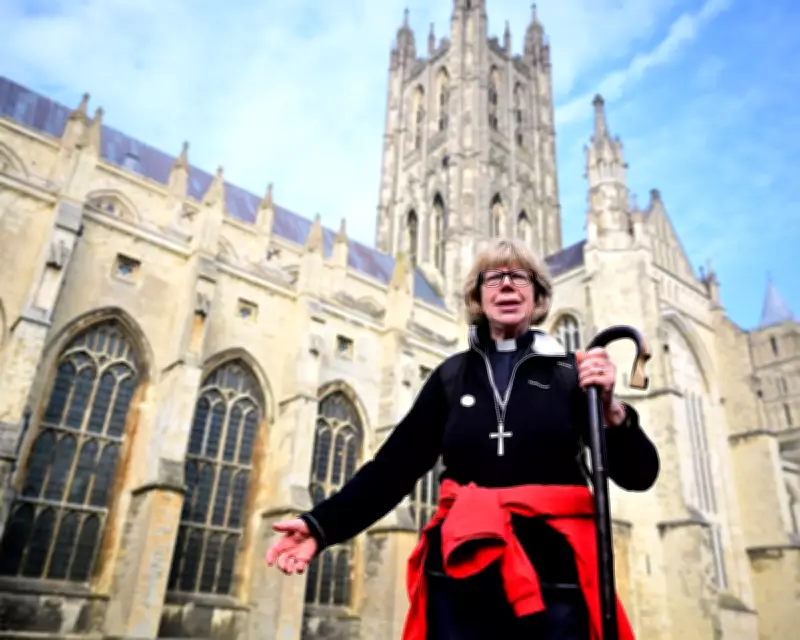
In a historic ceremony today, Sarah Mullally was officially installed as the 106th Archbishop of Canterbury, marking a significant milestone as the first woman to hold this position in its nearly 1,500-year history. This appointment comes at a particularly challenging period for the Church of England, which is currently grappling with multiple crises including safeguarding failures, deep internal divisions, and ongoing debates about its relevance in contemporary British society.
A Complex Role at a Difficult Time
Mullally assumes leadership of the Anglican communion during what many describe as a painful transitional phase. The Church faces mounting criticism over its handling of abuse cases, particularly the John Smyth scandal that shadowed her predecessor Justin Welby's departure. Additionally, the institution continues to struggle with unresolved conflicts regarding gender equality and LGBTQ+ rights that have divided the global Anglican community for decades.
The new Archbishop brings a unique background to this traditionally male-dominated role. Unlike her Old Etonian predecessor, Mullally is state-educated and previously served as England's chief nursing officer after a career in the NHS. She has openly acknowledged experiencing misogyny both in her secular roles and within church structures, highlighting the gender barriers she has overcome to reach this position.

Immediate Challenges and Priorities
Mullally's immediate challenges are substantial and multifaceted. The Church's safeguarding procedures remain under intense scrutiny following the Smyth case, where approximately 130 boys were allegedly abused by a prominent lawyer and former charity chair. Although a complaint regarding Mullally's own handling of an abuse case during her tenure as Bishop of London was dismissed, the broader issue continues to cast a shadow over the entire institution.
The new Archbishop has declared safeguarding a "fundamental, non-negotiable responsibility" and expressed her intention to put the Church "on the front foot" regarding these matters. However, the institution's 2025 rejection of a fully independent safeguarding model suggests this will remain a contentious area requiring careful navigation.
Navigating Internal Divisions
Beyond safeguarding concerns, Mullally must address longstanding divisions within the Anglican communion. Many conservative churches worldwide still refuse to recognize women priests, meaning they will not acknowledge her leadership. The recent failure of the General Synod to reach consensus on LGBTQ+ reforms has left existing restrictions on same-sex relationships unchanged, creating what observers describe as "residual anger" among progressive factions.
Harriet Sherwood, a veteran religion journalist, suggests that Mullally will likely focus initially on stabilizing the Church of England domestically rather than attempting to bridge global divides immediately. "There is a lot of 'steadying the ship' to do here," Sherwood notes, emphasizing the need for calm and stability after years of turmoil.
Constitutional Questions and Political Context
The Archbishop's installation occurs during broader constitutional changes in the United Kingdom, including the ongoing removal of hereditary peers from the House of Lords. This has renewed questions about the continued presence of 26 Church of England bishops in Parliament—a unique arrangement shared only with Iran globally.
While many view this as an anachronism given declining church attendance, Sherwood observes that "there is little political appetite to revisit that settlement." The slow pace of Lords reform suggests bishops will likely retain their seats for the foreseeable future, though the debate about disestablishment continues.
Defining Success in a Limited Timeframe
With the Church of England's compulsory retirement age of 70, Mullally has at most six years to make her mark. Success, according to Sherwood, would primarily involve "calm and stability"—helping the institution recover from recent crises and smoothing over internal divisions. The Archbishop is expected to maintain a lower political profile than her predecessor, though she may need to address the recent appropriation of Christian imagery by far-right groups.

Today's installation ceremony underscores the significance of this moment, with Prince William representing the King alongside Prime Minister Keir Starmer and Opposition Leader Kemi Badenoch. The inclusion of prayers in Bemba and Spanish, plus participation from Roman Catholic leadership, highlights both the international dimensions of the Anglican communion and the interdenominational importance of this transition.
As Sarah Mullally begins her historic tenure, she faces the daunting task of guiding an ancient institution through modern challenges while balancing tradition with necessary reform. Her background as a healthcare professional and her experience navigating institutional complexities may prove valuable assets, but the path ahead remains uncertain for both the new Archbishop and the Church she now leads.