Five More London Tube Stations to Be Assessed for Step-Free Accessibility
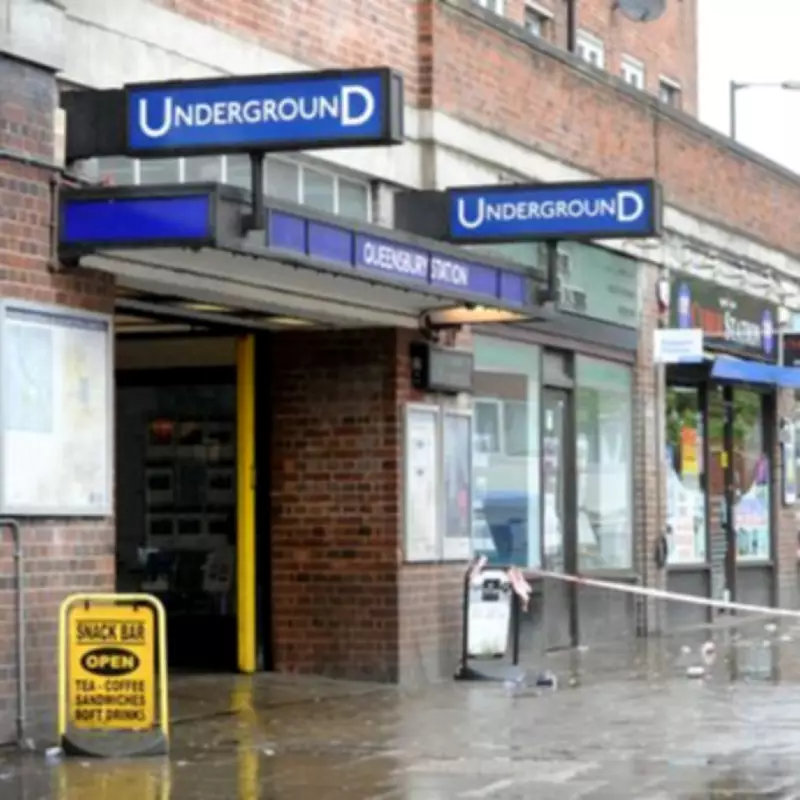
Queensbury and Preston Road are among five London Underground stations that have been prioritized for step-free access feasibility studies, as Transport for London (TfL) continues its push to make the network more inclusive for passengers with mobility challenges. The announcement comes as part of Mayor Sadiq Khan's ambitious goal to have 50 percent of all Tube stations step-free by 2030.
Expanding Accessibility Across the Network
Currently, only 94 out of 272 London Underground stations offer step-free access, with feasibility or design works already underway at an additional 40 stations. The latest batch of stations to be assessed includes Queensbury on the Jubilee line, Preston Road on the Metropolitan line, Barkingside on the Central line, Brent Cross on the Northern line's Edgware branch, and Totteridge and Whetstone on the Northern line's High Barnet branch.
These five stations were selected from a long-list of 30 drawn up last year, based on criteria such as customer benefits, deliverability, geographical spread, and local development context. The feasibility studies will examine the opportunities, options, and constraints for implementing step-free access at each location.

Voices from the Community
Brent resident Charmaine Ashpole, who has severe sight and hearing impairments following a bout of meningitis in 2018, emphasized the importance of these improvements. "It's vitally important that access is improved across the Tube network and London as a whole, so people with disabilities, wheelchair and cane users can more freely get around the city," she told the Local Democracy Reporting Service.
Ashpole highlighted the positive impact of existing step-free stations like Kingsbury, which she uses regularly. "I find this very helpful especially if I'm tired and I might easily trip on the stairs," she said. However, she also cautioned that upgrades must be managed carefully to avoid disruption, citing recent works at Colindale station that caused navigation challenges due to roadworks.
Political and Advocacy Support
Brent Council Leader Cllr Muhammed Butt described accessible transport as "a basic right" rather than a luxury, noting that many residents have been "locked out of opportunities" due to the lack of step-free access. "That's why we will keep working with TfL and the Mayor of London to go further and faster on step-free access, so every community in Brent can benefit from a transport network that is truly inclusive," he stated.
The Royal National Institute of Blind People (RNIB) welcomed the news but stressed that more needs to be done. Erik Matthies, RNIB's Policy Lead for Strategy and Public Affairs, said, "Every improvement to transport accessibility is a small step in the right direction, but it needs to happen as quickly as possible." He explained that blind and partially sighted travelers often face difficulties with stairs, escalators, and crowded environments, leading many to avoid traveling alone on the Underground.
Progress and Challenges Ahead
TfL's Chief Customer and Strategy Officer, Alex Williams, affirmed the organization's commitment to accessibility. "Making more Tube stations step-free is a major part of our work to make the transport network more accessible. We have been working at pace to deliver the Mayor's ambitious target," he said. Williams noted that feasibility studies are a crucial first step in determining the suitability of each station for step-free upgrades.
Recent milestones include Colindale station becoming step-free in December last year, bringing the total to 94 stations. Northolt station is set to become step-free this summer, with Leyton station following in spring next year. However, TfL has cautioned that progress on the five newly assessed stations will depend on deliverability and future funding arrangements.
Brent Council has pledged to continue collaborating with TfL to strengthen the case for further accessibility improvements in the borough. As London moves toward its 2030 target, these feasibility studies represent a critical phase in expanding step-free access across the Tube network, ensuring that public transport becomes more inclusive for all residents and visitors.