The Federal Aviation Administration has taken drastic measures to ensure aviation safety during the ongoing federal government shutdown, ordering airlines to slash flights at America's busiest airports.
Immediate Flight Reductions Across Major Hubs
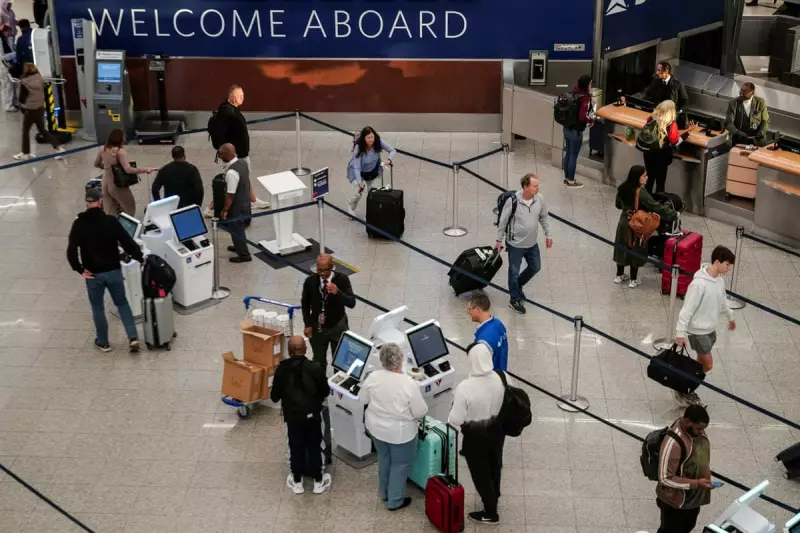
Starting Friday, travellers across the United States will face significant disruption as 40 major airports are forced to reduce their flight schedules by 10%. The unprecedented move comes as the FAA seeks to alleviate pressure on air traffic controllers during the government funding crisis.
The decision, announced amidst growing concerns about aviation safety, affects some of the nation's most critical transportation hubs. Passengers are being urged to contact their airlines directly to confirm whether their flights will operate as planned.

Comprehensive Airport List Revealed
The FAA has released a complete list of airports where flight reductions will be implemented. Among the affected facilities are several international gateway airports that handle millions of passengers annually.
The comprehensive list includes transportation powerhouses such as Hartsfield-Jackson Atlanta International, Los Angeles International, and Chicago O'Hare International. Also facing cuts are major regional hubs including Boston Logan International, Denver International, and Seattle/Tacoma International.
Other significant airports on the list include Dallas/Fort Worth International, John F Kennedy International in New York, San Francisco International, and Washington Dulles International. The cuts span coast to coast, affecting airports in Hawaii with Honolulu International and Alaska with Anchorage International.
Safety Concerns Drive Unprecedented Action
Aviation experts have expressed concern about the potential impact on the national air transportation system. The government shutdown has placed extraordinary strain on essential personnel, including air traffic controllers who have been working without pay.
The FAA emphasised that the flight reductions are necessary to maintain safety standards during the political impasse. By reducing the volume of air traffic, controllers will be better able to manage the remaining flights without compromising security protocols.
The situation represents one of the most significant disruptions to US air travel in recent years and highlights the far-reaching consequences of the ongoing political deadlock in Washington. Travellers are advised to prepare for potential delays and cancellations as the new measures take effect.