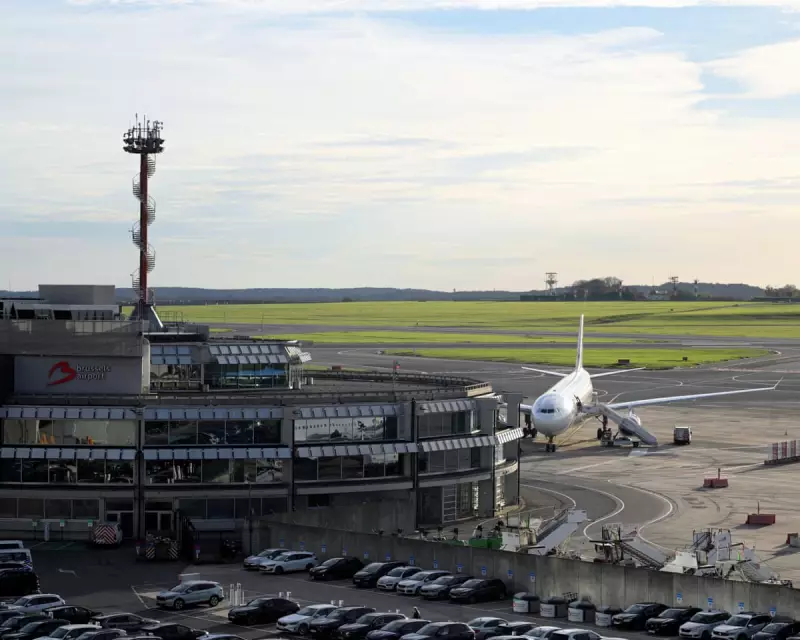
Fresh Drone Sightings Cause Airport Disruptions
Airports in Belgium faced renewed disruption overnight following suspected drone sightings, creating further headaches for aviation security. Both Brussels and Liège airports reported operational issues, though the impact was described as limited. This comes just hours after the Belgian government's national security council convened to discuss its response to the growing threat.
Nuclear Facilities and Port Also Targeted
Beyond the airports, further unconfirmed drone sightings were reported near critical infrastructure. According to local media reports, the Doel nuclear power plant and the SCK nuclear research centre in Mol were also affected. Suspicious activity was similarly noted around the port of Antwerp, amplifying security concerns across the country.
In response to the persistent problem, Belgian media indicates that the nation is set to receive anti-drone support from the German army. This assistance aims to finally curb the repeated incidents that have plagued both civilian airports and military bases.

European-Wide Security Concerns Escalate
The drone issue is not confined to Belgium. Separately, Sweden's second-largest airport in Gothenburg also experienced significant drone disruptions. The incident was serious enough to prompt police to open an investigation into suspected aviation sabotage, leading to a temporary closure of the airspace above Landvetter Airport.
These security scares unfold against a backdrop of heightened geopolitical tension. A senior German military official, Lieutenant General Alexander Sollfrank, issued a stark warning that Russia could have the capacity for a limited strike against NATO territory at any time. He suggested that while a large-scale attack is unlikely due to Russia's engagement in Ukraine, a small, regionally limited assault remains a distinct possibility, heavily dependent on NATO's own deterrence efforts.