Four-Hour Airport Delays Expected This Easter Due to EU Biometric Checks
Holidaymakers traveling to Europe this Easter season should prepare for significant disruptions, with airport delays potentially reaching up to four hours at the busiest terminals. This unprecedented congestion stems from the European Union's new biometric entry and exit system (EES), which becomes fully operational on April 10, just days before the UK school half-term break when tens of thousands of families typically travel abroad.
What Travelers Need to Know About the New System
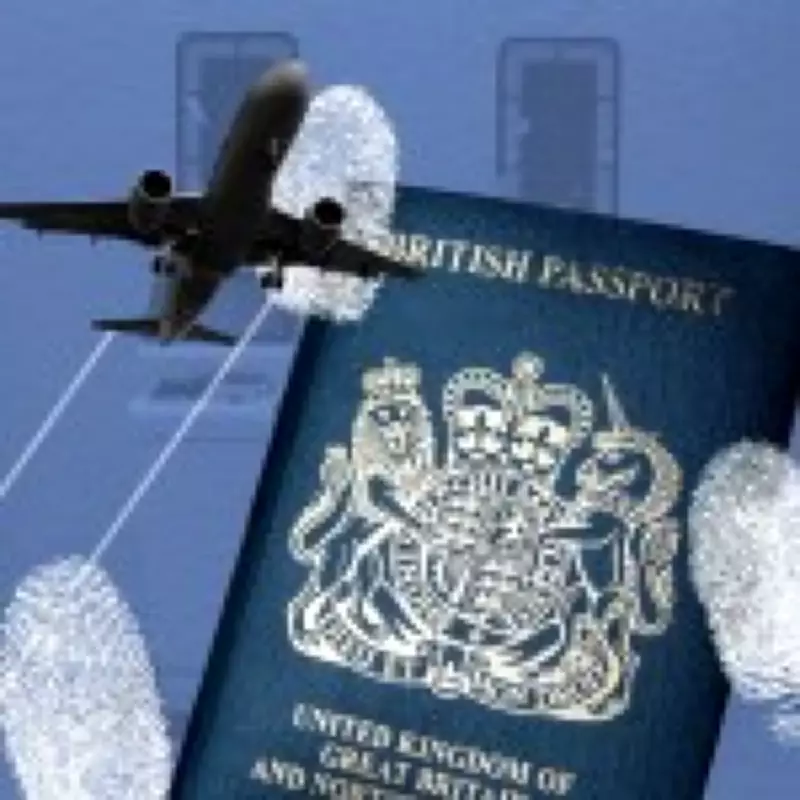
The entry and exit system represents a fundamental shift in how border controls operate across the European Union and Schengen area. This digital system replaces traditional physical passport stamps with comprehensive biometric data collection. All travelers from non-EU countries, including UK passport holders, will be required to register their passport details along with fingerprints and facial photographs during their first entry into the system.
Luke Petherbridge, director of public affairs at Abta, the travel agent and tour operator association, has issued clear guidance to customers: "What we have said to customers is that, because of the checks, you might need to prepare for delays with extra water and snacks."

Why Delays Could Reach Four Hours
Several factors are converging to create what travel experts predict could be the most challenging Easter travel period in recent memory. The Home Office and travel industry professionals have unanimously advised travelers to allow substantial extra time on both sides of their journey.
Airline groups have warned that existing queues, which have already reached two hours at passport control in some European countries since the EES began rolling out late last year, could double to four hours as holiday traffic increases over Easter and into the peak summer season. These extended delays are anticipated despite the installation of self-service kiosks at border points designed to streamline the biometric registration process.
Additional concerns compounding the potential for lengthy delays include possible IT glitches, staff shortages during holiday periods, and potential strikes. The memory of recent technological disruptions, such as the Crowdstrike outage, has heightened anxiety about system reliability during peak travel times.
How the EES System Works
The entry and exit system creates a digital record of when non-EU residents travel to the Schengen area for short stays (up to 90 days within a rolling 180-day period) and when they depart. The EU states that the system has been implemented to strengthen border security and more effectively detect individuals who overstay their permitted time in the region.
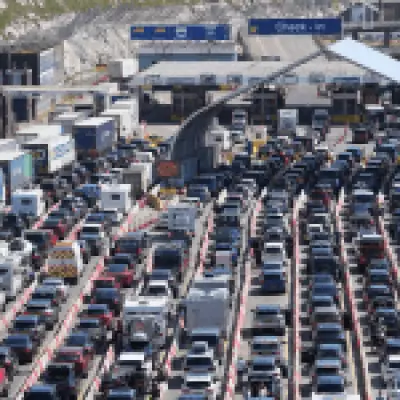
For most travelers, the checks will occur at their destination airport or port upon arrival. Notable exceptions include the Port of Dover, St Pancras International, and Folkestone, where travelers heading to the EU will undergo checks at these dual British and French border locations, eliminating the need for duplicate checks upon reaching the European mainland.
Children are not exempt from the system, although those under twelve years old are not required to provide fingerprints. All children will need to undergo facial scanning as part of the biometric data collection process.
Countries Implementing the New System
The EES applies to all 25 EU countries plus Schengen members Switzerland, Norway, Iceland, and Liechtenstein. Manual passport stamping will continue in non-Schengen countries such as Ireland and Cyprus.
Exemptions from the system include EU passport holders, British passport holders with EU residency permits or long-stay visas, and nationals of Andorra, Monaco, San Marino, and Vatican City State.
Separate from ETIAS Authorization
It is crucial to distinguish the EES border system from the forthcoming European Travel Information and Authorisation System (ETIAS), scheduled for introduction toward the end of 2026. ETIAS will require non-EU citizens to obtain travel authorization before visiting the bloc, though it does not guarantee entry and functions differently from a traditional visa.

The gradual implementation of EES since October last year has already provided some indication of the challenges ahead, but the full operational launch on April 10 represents the true test of the system's capacity to handle peak travel periods without creating unacceptable delays for holidaymakers.