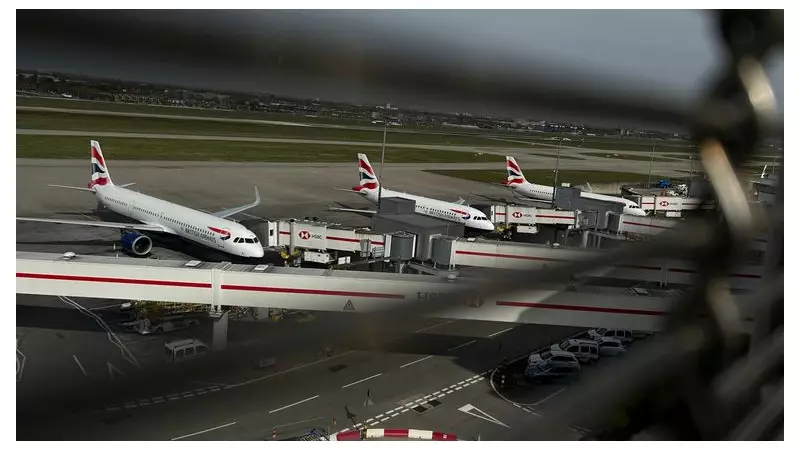
In a landmark decision for UK aviation, the government has officially backed Heathrow Airport's ambitious £33 billion proposal to construct a third runway. Transport Secretary Heidi Alexander confirmed the move, which represents the most significant step to date in the long-debated expansion of the nation's busiest airport.
A Transformative Project with Major Implications
The selected scheme, which prevailed over a rival plan for a shorter runway from hotel tycoon Surinder Arora, is set to be entirely privately financed. Heathrow has committed that no taxpayer money will be used, with the colossal cost being met through higher charges to airlines.
However, the project's scale brings substantial local disruption. The construction will necessitate the complex and costly re-routing of the M25 motorway, one of the country's most critical and congested transport arteries. Furthermore, the plan confirms the demolition of several nearby villages, a point of significant contention and local opposition for years.

Ms Alexander stated, "Today is another important step to enable a third runway... setting the direction for the remainder of our work to get the policy framework in place for airport expansion." She emphasised that the government is acting "swiftly and decisively to get this project off the ground" to realise its potential for passengers and the economy.
The Long Road Ahead: Timelines and Scrutiny
Despite this announcement, the third runway is not yet a done deal. The proposal remains subject to a rigorous planning process, including further public consultation and detailed parliamentary scrutiny. The Department for Transport has been careful to note that this selection does not represent a final decision on the runway or its ultimate design, with the full length and layout still under consideration.
The government's optimistic timeline aims for a final planning decision by 2029, with the new runway operational by 2035. This ambitious schedule was met with scepticism by Ryanair CEO Michael O'Leary, who has long criticised Heathrow's costs. He publicly doubted the project would be built at all, suggesting that even if it proceeds, completion could be delayed until 2050.
Financial and Infrastructural Scale
The sheer financial commitment is staggering. The core runway project carries a £33 billion price tag, with an additional £15 billion earmarked to upgrade the airport's existing infrastructure. This combined investment is pitched as essential to maintain the UK's global connectivity and competitive edge post-Brexit.
Heathrow's expansion plan now enters a critical phase of development and debate, balancing promises of economic transformation against significant environmental and community impacts. The coming years of consultation and parliamentary debate will ultimately determine the fate of this colossal infrastructure project.