Heathrow's Vintage Photos Capture a Bygone Era of Air Travel
Heathrow Airport, the United Kingdom's premier transport hub and one of the globe's most significant aviation centres, boasts a rich history that stretches back to its grand opening by Her Majesty Queen Elizabeth in 1969. Over the decades, this iconic airport has witnessed profound transformations, including the introduction of new terminals, the closure of older ones, and the integration of advanced transport links such as the Elizabeth line. Looking ahead, plans for a third runway continue to shape discussions about its future expansion.
The Evolution of Flying: From Luxury to Everyday Convenience
While Heathrow's physical infrastructure has evolved dramatically, the very nature of air travel has undergone an equally remarkable shift. In the past, flying was considered an extravagant luxury, reserved for special occasions and long-distance journeys. Today, with budget airlines offering fares as low as £20—often cheaper than many domestic rail trips—air travel has become a commonplace, almost mundane experience. This democratisation of flying has inevitably altered passenger behaviour and expectations.
A Fashionable Contrast: Then Versus Now
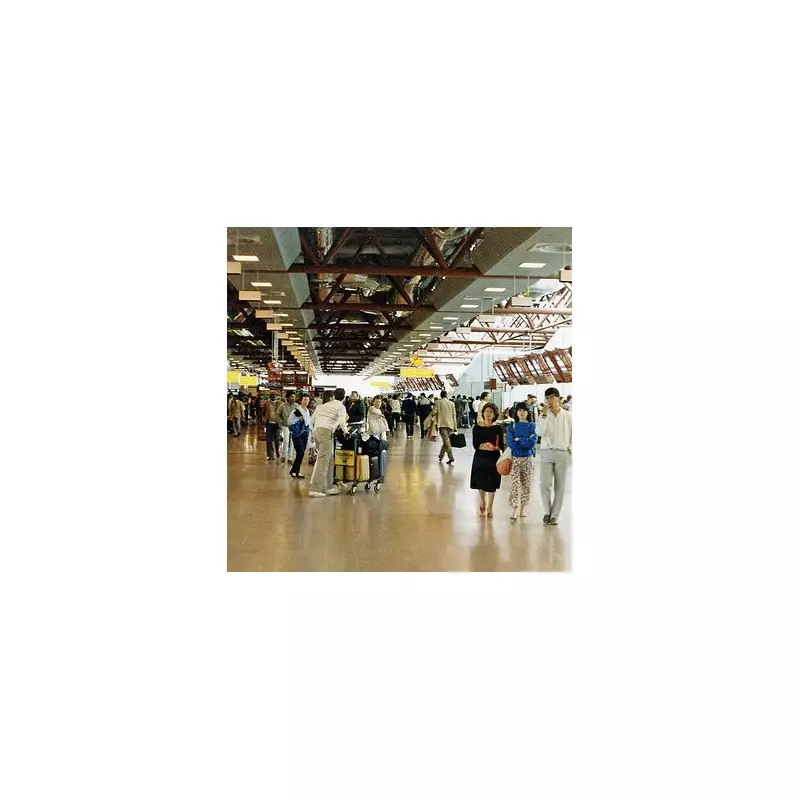
Photographs from Heathrow in the 1970s and 1980s reveal a striking difference in passenger attire compared to contemporary norms. In those decades, the vast majority of travellers dressed smartly, often in formal wear, reflecting the elevated status of air travel. Men sported suits and ties, while women wore elegant dresses, creating an atmosphere of sophistication and occasion.

In contrast, modern flyers typically opt for comfort over style, with neck pillows, joggers, and trainers becoming the standard uniform for long-haul flights. This shift underscores how flying has transitioned from a rare treat to a routine activity, where convenience and practicality often take precedence over sartorial elegance.
Limited Amenities Versus Modern Conveniences
The vintage photos also highlight the more limited amenities available to passengers in earlier decades. While travellers might have dressed up to enjoy a drink in a fancy lounge, today's airport experience is dominated by fast-food chains like Burger King and casual dining options such as Wetherspoons. The absence of such establishments in 1970s Heathrow imagery points to a time when airport facilities were more restrained, yet the overall experience felt more exclusive and refined.
A Glimpse Into Heathrow's Past Through Iconic Images
May 1975: Passengers are seen beating the crowds by embarking on holidays before the summer rush, capturing a quieter, more leisurely pace of travel.
August 1978: Check-in desks are swarmed with travellers, illustrating the growing popularity of air travel despite less automated systems.
1981: Fed-up passengers endure delays due to industrial action by Canadian air traffic controllers, a reminder of the vulnerabilities in early aviation logistics.
Terminal 1 in 1970: Notably well-dressed passengers await their flights, embodying the era's emphasis on elegance.
Early 1970: The first Boeing 747 lands in London from New York, marking a milestone in aviation history with its iconic design and capacity.
1979: Not a fast-food restaurant in sight, contrasting sharply with today's commercialised airport landscapes.
These snapshots not only document Heathrow's architectural and operational changes but also evoke nostalgia for a time when flying was a more glamorous and celebrated affair. For those old enough to remember, these images offer a delightful trip down memory lane, highlighting how far both the airport and the experience of air travel have come.