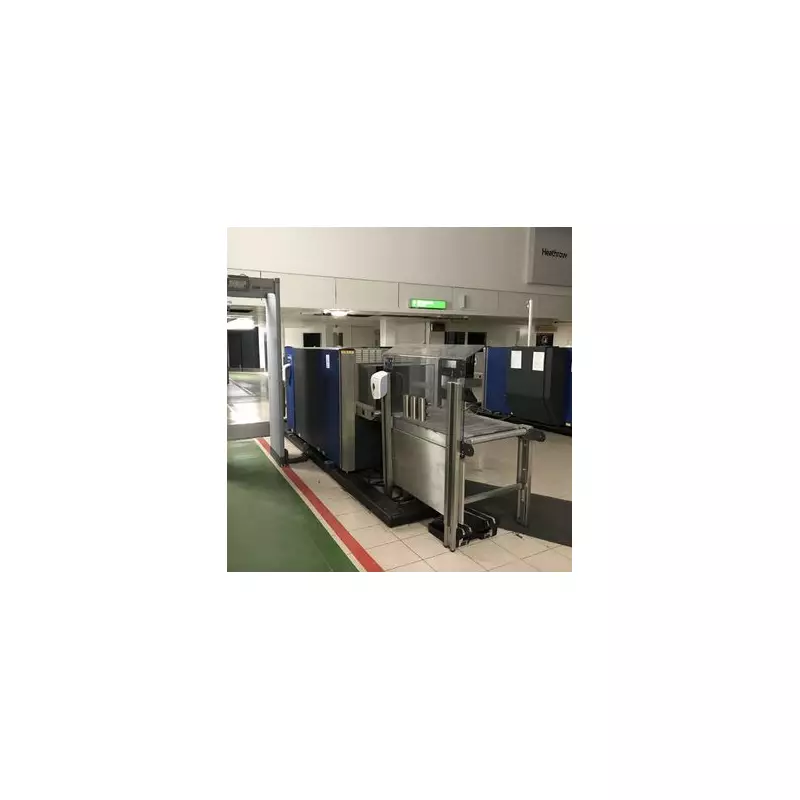
The Hidden Life of Heathrow's Terminal 1: From Bustling Hub to Restricted Facility
Heathrow Airport, the United Kingdom's busiest transport hub, presents a fascinating paradox of convenience and complexity. While millions of passengers navigate its operational terminals each year, one significant structure remains conspicuously absent from public use: Terminal 1. This iconic facility, which hasn't welcomed commercial flights since 2015, continues to exist behind closed doors, serving purposes far removed from its original design.
A Terminal Frozen in Time
Originally inaugurated by Her Majesty the Queen in 1969, Terminal 1 once held the distinction of being Western Europe's largest airport terminal. It stood as a powerful symbol of post-war international connectivity and technological ambition. Throughout its operational life, the terminal underwent significant expansions to accommodate growing passenger numbers and evolving aircraft technology.
During the 1990s, a new pier was constructed within Terminal 1 to handle modern aircraft, followed by further enhancements in 2005 that included an expanded departure area, additional retail and dining facilities, and increased passenger seating. Despite these investments, the terminal's fate was sealed as air travel patterns shifted toward Heathrow's newer facilities.

The Final Departure and Strategic Closure
The last commercial flight departed from Terminal 1 at 9:30 PM on June 29, 2015, bound for Frankfurt, Germany. This closure surprised few aviation observers, as operations had been gradually migrating to other terminals, particularly the newly constructed Terminal 5, which offered superior capabilities for handling modern aircraft and the airport's enormous passenger volumes.
Following Terminal 1's closure, Heathrow authorities implemented a strategic plan that allowed Terminal 2 to expand into adjacent spaces. This approach proved more practical than maintaining the aging Terminal 1 for passenger operations. Initial plans called for the terminal's gradual demolition over a five to ten-year period, but the structure remains standing today, preserved for specific purposes.
Current Uses: Training Ground and Maintenance Facility
Despite being closed to the public for over a decade, Terminal 1 is far from deserted. The airport maintains the facility to keep it "fit for purpose for safety and escape route reasons," according to official statements. A dedicated maintenance crew invests considerable effort in preserving the terminal's structural integrity and operational systems.
More significantly, Terminal 1 has found new life as a training ground for emergency services. Various fire, police, and security teams utilize the expansive facility for realistic training exercises that would be impossible to conduct in operational terminals. At any given time, as many as 200 personnel might be conducting practice scenarios throughout the abandoned terminal's corridors and gates.
Restricted Access and Future Prospects
Access to Terminal 1 remains strictly limited to authorized personnel only. The general public cannot enter the facility, which stands as an eerie monument to Heathrow's evolution. While the terminal's long-term future remains uncertain, its current role in supporting airport safety and emergency preparedness represents a practical repurposing of what was once a bustling international gateway.
This transformation from passenger terminal to training facility demonstrates how major transport hubs adapt their infrastructure to changing needs, even when those adaptations occur largely out of public view. Terminal 1's story reflects both the rapid evolution of air travel and the practical considerations that guide airport management decisions in one of the world's busiest aviation hubs.