Iran Conflict Forces Closure of Middle East Airspace, Disrupting Global Flights
The intensifying war in Iran has led to the immediate closure of airspace across multiple Middle Eastern nations, triggering significant disruptions to international air travel. This unprecedented move has resulted in widespread flight cancellations and delays, affecting airlines and passengers worldwide. Australia, in particular, is experiencing severe impacts, with numerous flights to and from the region being grounded or rerouted.
Widespread Airspace Shutdown Across the Middle East
In response to the escalating military actions in Iran, neighboring countries have taken the precautionary step of shutting down their airspace to ensure safety. This closure encompasses key aviation hubs and transit routes, effectively halting all commercial air traffic through the region. The decision aims to mitigate risks associated with potential aerial conflicts and missile threats, but it has created a logistical nightmare for global aviation networks.
Airlines are scrambling to adjust their schedules, with many opting to cancel flights outright rather than attempt lengthy and costly detours. Passengers are facing uncertainty, as travel plans are upended with little notice. The ripple effects are being felt across continents, as flight connections through the Middle East are a critical component of international travel routes.

Australia Grapples with Major Flight Disruptions
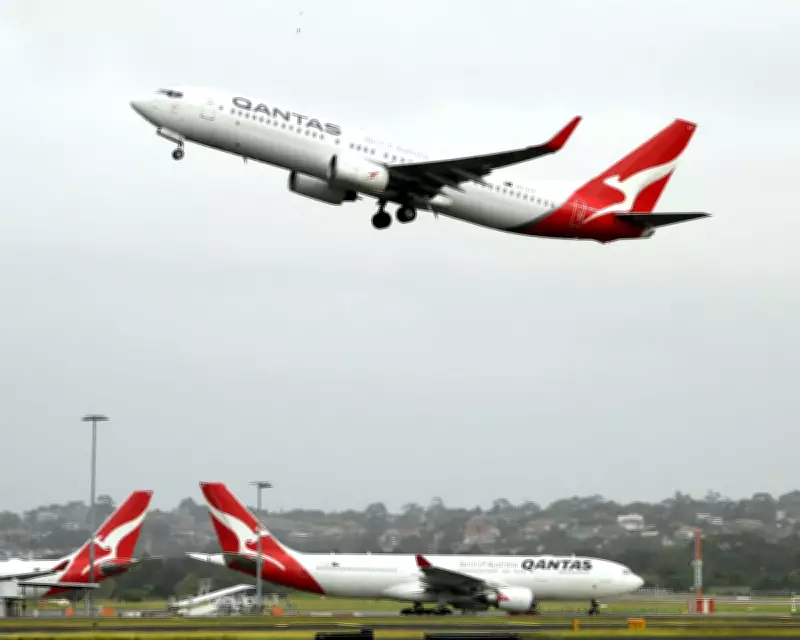
Australia is among the nations hardest hit by the airspace closures, given its reliance on Middle Eastern corridors for flights to Europe, Africa, and parts of Asia. Major Australian carriers have suspended services to affected destinations, leading to a cascade of cancellations and delays. Travelers are reporting stranded situations at airports, with limited options for rebooking or refunds.
The Australian government is advising citizens to avoid non-essential travel to the region and is working with airlines to assist affected passengers. However, the scale of the disruption means that full recovery could take days or even weeks, depending on how the conflict evolves. This situation underscores the vulnerability of global air travel to geopolitical instability.
Global Aviation Industry Faces Unprecedented Challenges
The closure of Middle Eastern airspace represents one of the most significant disruptions to aviation since events like the 2010 Icelandic volcano eruption. Airlines are incurring substantial financial losses due to canceled flights, fuel costs for rerouting, and compensation for passengers. Insurance claims are expected to surge, adding further strain to an industry already grappling with post-pandemic recovery challenges.
Aviation authorities worldwide are monitoring the situation closely, with updates being issued regularly as conditions change. Travelers are urged to check with their airlines for the latest information and to prepare for ongoing disruptions. The conflict in Iran has not only humanitarian implications but also profound economic consequences for the global travel sector.
As the war continues, the future of air travel through the Middle East remains uncertain, with potential long-term impacts on route planning and aviation security protocols.